

Students encouraged to build strong profiles through skills, leadership and meaningful experiences.

Dubai: Strong academic results continue to play an important role in university admissions, but grades alone may not be enough to make an application stand out.
Students should also demonstrate who they are beyond academics, what sets them apart and how they have developed through experiences outside the classroom, according to Dr Mauli Mahajan, founder of MyCompassToday and 3E Worldwide.
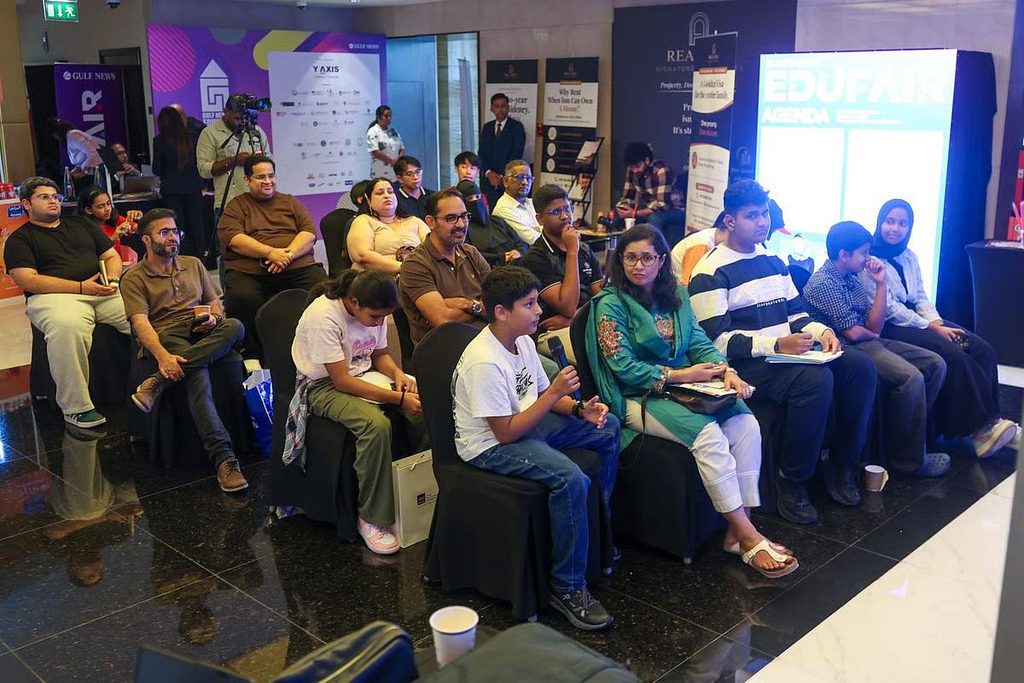
Speaking during a spotlight session on the opening day of Gulf News Edufair at Shangri-La Hotel Dubai, Mahajan encouraged students to begin developing their profiles early instead of waiting until it is time to submit university applications.
“Marks are important but students need to tell their story through their application to get accepted into the university,” Mahajan said.
What can make a student stand out?
Mahajan described a student profile as a carefully developed collection of experiences, achievements, skills and contributions that reflects an applicant’s overall journey.
She said the first step for students is to identify what makes them unique and understand how their interests, experiences and accomplishments can help tell a compelling story about who they are beyond their academic results.
“How are you different? How do you stand out from your classmates?” Mahajan asked, encouraging students to build a profile that reflects their individual strengths, interests and ambitions.
She stressed that profile building should not simply be about collecting certificates or taking part in as many activities as possible. Instead, students should focus on meaningful experiences that demonstrate genuine interests, practical skills and personal growth.
Why building a strong profile matters
As university admissions become increasingly competitive, students are being encouraged to look beyond academic performance when preparing their applications.
Mahajan pointed to the growing emphasis on holistic admissions, where universities assess applicants based on a wider range of factors rather than relying solely on grades.
She also highlighted a broader shift towards skills and future readiness, making extracurricular activities and experiences outside the classroom an increasingly important part of a student’s university application.
“90 percent of competitive universities today consider extracurriculars very important in admission decisions,” Mahajan said.
She emphasised that students should focus on demonstrating their skills, development and impact rather than relying on academic results alone. A consistent record of growth and meaningful experiences over time can help applicants demonstrate their potential and present a stronger overall profile to universities.
Building a strong profile can also support students applying for scholarships and financial aid, where achievements, skills and impact beyond academics may contribute to the overall strength of an application.
At the same time, students are being encouraged to start exploring career options earlier. They do not need to have their future career mapped out while still at school, but exposure to different fields and interests can help them identify their strengths and understand which paths may suit them.
Eight ways students can build their profile
Mahajan outlined eight key areas that can help students develop a well-rounded profile: explore, create, experience, lead, serve, compete, develop a skill and reflect.
Exploration can help students discover new interests and potential career paths, while creating gives them an opportunity to turn their own ideas into projects or initiatives. Practical experience can be gained through internships, research programmes and other opportunities that provide exposure to fields they may want to pursue in the future.
Leadership can be demonstrated by taking responsibility, showing initiative and working effectively with others. Community service allows students to make a meaningful contribution, while competitions give them opportunities to challenge themselves and strengthen their abilities.
Students should also focus on developing a particular skill over time. Equally important is reflecting on their experiences to understand what they have learned, how they have changed and which areas they would like to develop further.
Depth matters more than the number of activities
Mahajan advised students against simply accumulating extracurricular activities to make their applications appear more impressive. Instead, they should seek meaningful opportunities that allow them to develop deeper knowledge and experience in areas they genuinely care about.
Over time, a student’s profile should develop into a connected collection of experiences that reflects their interests, abilities, achievements and personal growth.
These experiences can then strengthen different elements of the university admissions process, including activity sections, personal statements and essays, scholarship applications, recommendation letters, interviews, portfolios and internship applications.
The goal, therefore, is not to build the longest possible list of achievements, but to gain meaningful experiences that students can confidently explain, connect to their interests and reflect on in their applications.
Parents can support without creating pressure
Parents can also play an important role in helping their children develop strong profiles. Mahajan said parents can act as career coaches by having open conversations about their children’s interests and goals while encouraging them to explore opportunities beyond academics.
They can help students identify and apply for suitable internships or research programmes, encourage consistent involvement in long-term projects and provide practical support, including transportation and other logistical assistance when required.
Parents can also connect their children with relevant people in their professional networks, giving students opportunities to learn more about different industries and career paths. Encouraging children to reflect on what they have gained from each experience can further support their development.
Keeping up with school updates can help parents better understand their child’s progress, while guidance with time management can make it easier for students to balance academic responsibilities with extracurricular commitments.
Mahajan also stressed that parental involvement should remain supportive rather than becoming a source of pressure, with parents encouraged to recognise and celebrate their children’s efforts and progress.
Don’t wait until Grade 12
Another key message from the session was the importance of starting early. Waiting until Grade 12 to begin building a profile can leave students with limited time to gain meaningful experiences and demonstrate consistent development.
Instead, students should make use of their school years to explore different interests, strengthen their skills, take part in relevant experiences and gradually discover what genuinely motivates them.
Starting early allows students to build a profile naturally over time, rather than trying to accumulate achievements shortly before university applications are due.

