

What Pakistani travellers should know as the country begins phasing out existing passports.
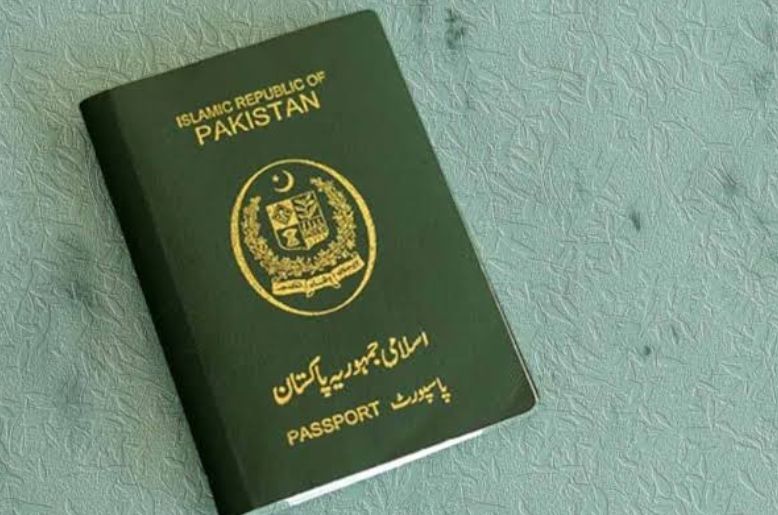
Dubai: Pakistan will stop issuing machine-readable passports (MRPs) from October 15, 2026, marking the country’s full transition to e-passports for new applicants both within Pakistan and overseas.
For travellers who already hold a valid Pakistani passport, the announcement raises several questions: Will existing passports remain valid after October 15? Do they need to be replaced immediately? And what happens when an MRP reaches its expiry date?
The change applies specifically to new passport issuance. From October 15, all applicants seeking a new Pakistani passport will receive an e-passport instead of a machine-readable passport.
The Directorate General of Immigration and Passports (DGI&P) has notified passport offices across Pakistan about the change and instructed Pakistani diplomatic missions abroad to implement the new system.
Here is what Pakistani passport holders, particularly those living overseas, need to know about the transition.
What changes from October 15?
Pakistan will officially stop issuing machine-readable passports from October 15, 2026, as the country completes its transition to e-passports.
From that date, anyone applying for a new Pakistani passport will receive an e-passport instead of the traditional machine-readable version that has been used for years.
The change will apply across passport offices in Pakistan as well as Pakistani embassies and consulates around the world.
For millions of Pakistanis living abroad, including residents of the UAE and other Gulf countries, e-passports will therefore become the standard travel document issued for new applications.
Will existing machine-readable passports remain valid?
Yes. Existing machine-readable passports will not automatically become invalid on October 15.
Pakistani travellers who already hold a valid MRP issued before the deadline can continue using it until the expiry date stated on the document.
The official notice makes clear that machine-readable passports issued before October 15, 2026, will remain valid for their full validity period and will not be cancelled simply because the country has moved to e-passports.
Travellers will still need to meet the standard passport-validity rules and immigration requirements of their destination country.
What happens when my current passport expires?
This is when the transition to e-passports will directly affect existing MRP holders.
Once a machine-readable passport expires, it will no longer be replaced with another MRP. Instead, the holder will be issued an e-passport when applying for a new passport.
In practical terms, if your current MRP expires after October 15, 2026, your next Pakistani passport will be an e-passport.
What is an e-passport?
An e-passport is an electronic travel document equipped with an embedded chip that securely stores passport and identity information.
The chip can be read by compatible immigration systems, allowing authorities to electronically verify a traveller’s identity and passport details.
Pakistan has already begun rolling out e-passports, but the October 15 deadline will mark the end of new machine-readable passport issuance.
Why is Pakistan switching to e-passports?
The government says the transition is part of wider efforts to modernise Pakistan’s passport system and make international travel more convenient.
According to the official notice, the move is also expected to make immigration processing faster and more efficient through greater use of electronic verification.
Does the change apply to overseas Pakistanis?
Yes. The new policy applies to passport applications submitted both within Pakistan and through Pakistani diplomatic missions abroad.
This means Pakistanis living overseas will also receive e-passports when applying for a new passport from October 15, 2026.
The change is particularly significant for Pakistan’s large expatriate community, including residents of the UAE, Saudi Arabia and other Gulf countries who frequently travel between Pakistan and their countries of residence.
Pakistanis living abroad should monitor updates from the embassy or consulate serving their country for information on application procedures, fees, processing times and the local rollout of the e-passport system.
What should travellers remember?
The key point is that the October 15 deadline does not invalidate existing machine-readable passports.
If your MRP remains valid, you can continue travelling with it until its stated expiry date, subject to the usual passport-validity and immigration requirements of your destination.
However, anyone applying for a new Pakistani passport from October 15, 2026, onwards will be issued an e-passport instead of an MRP.

