

US and Iran enter negotiations with sharply different positions.
Iran’s focus: The Strait of Hormuz, the US naval blockade, sanctions relief and an end to military operations.
US focus: Iran’s nuclear programme and securing broader concessions from Tehran.
US negotiators reportedly told Iranian officials during recent discussions that Tehran does not control the Strait of Hormuz and therefore cannot set conditions over the waterway, according to Axios.
The disagreement highlights a central obstacle in the negotiations: Iran is seeking to make the reopening of Hormuz part of a broader agreement, while Washington is resisting any arrangement that it sees as giving Tehran leverage over the strategic waterway.
Shipping remains under pressure
The Strait of Hormuz remains a major point of tension, with the US naval blockade of Iranian ports and Iranian restrictions on maritime traffic continuing to put pressure on commercial shipping.
- US naval blockade: CENTCOM said US forces had redirected 122 commercial vessels as of September 25, up from 115 on September 23.
- Iran’s shipping restrictions: Tehran has warned shipping companies against using routes it considers “unauthorised”.
- Reported vessel attacks: Iran’s Fars news agency claimed that 19 vessels were targeted over two days. The reports have not been independently verified.
- Oil continues to move: US Energy Secretary Chris Wright said oil flows through Hormuz were averaging nearly 13 million barrels per day, with more than 20 million barrels passing through the waterway on one day during the previous week.
- International concern: Canada has criticised Iran’s threats to maritime navigation, saying they are inconsistent with international law.
Trump raises possibility of further strikes as Iran warns against escalation
The US-Iran confrontation remains at a heightened level of military and diplomatic tension, with Washington leaving open the possibility of further strikes while Tehran warns of a response if military operations resume.
At the same time, diplomatic contacts remain significant as both sides continue to set out sharply different conditions for any broader agreement.
- Trump has said the US could carry out further strikes against Iran before the November 2026 midterm elections.
- Iranian Foreign Minister Abbas Araghchi has warned that Tehran would resist any renewed military action, while maintaining that Iran remains open to diplomacy.
- Tehran says it is awaiting Washington’s formal response to its latest proposal aimed at ending the conflict.
- The US position continues to centre on Iran’s nuclear programme, including concerns over its stockpile of highly enriched uranium and its ability to resume enrichment activities.
The latest developments leave two possible tracks unfolding simultaneously: the risk of renewed military action and continued diplomatic efforts through intermediaries.
Qatar keeps US-Iran diplomatic channels open
Diplomatic efforts have continued despite Trump’s rejection of Iran’s initial proposal concerning the reopening of the Strait of Hormuz.
- Qatar’s mediation: Qatar has emerged as a key intermediary between Washington and Tehran.
- Talks with both sides: Qatari officials have reportedly been engaging with US and Iranian representatives in an effort to narrow differences over Tehran’s proposal.
- Nuclear discussions: The contacts are also reported to cover Iran’s nuclear programme and the possibility of broader negotiations.
- Iran awaits US response: Araghchi has said Tehran is waiting for a definitive response from Washington through mediators. While warning of a major response to renewed military action, he has also said Iran remains open to a diplomatic solution.
The continuing contacts suggest that Washington’s rejection of Iran’s initial proposal has not brought diplomatic efforts to an end. However, no final agreement has been announced, and significant uncertainty remains over the timing and terms of any potential deal.
The diplomatic paradox
The central feature of the current situation is that diplomatic engagement and military pressure are continuing at the same time.
Washington is keeping the possibility of further military action on the table while pursuing indirect contacts with Tehran. Iran, meanwhile, is warning of retaliation if attacks resume while continuing to put forward proposals through mediators.
For now, neither track has displaced the other, leaving the conflict at a point where negotiations could continue even as the risk of renewed military escalation remains.
Publicly: Trump has rejected Iran’s latest proposal and continues to leave open the possibility of further US military action.
Behind the scenes: US and Iranian representatives are reportedly continuing indirect contacts through Qatar and other intermediaries.
Trump told Axios that he expected further talks during the week despite rejecting Tehran’s proposal. Iranian Foreign Minister Abbas Araghchi also said on Sunday that Tehran remained open to negotiations and was awaiting an official US response through mediators.
The parallel developments underline the current state of the conflict: public disagreements and military warnings are continuing even as diplomatic channels remain active.
UAE suspends Iranian airlines until further notice
The UAE has suspended flights operated by Iranian airlines to and from the country from September 24, with no date announced for when the measure will be lifted.
- GCAA confirmation: The UAE’s General Civil Aviation Authority (GCAA) confirmed the suspension.
- Iranian carriers affected: The measure applies to Iranian airlines operating services to and from the UAE.
- Dubai services impacted: Flights operated by Iranian carriers, including Iran Airtour services to Dubai, have been affected.
- Wider aviation restrictions: The move comes amid broader restrictions affecting Iranian aviation as regional tensions continue.
- Advice for passengers: Travellers heading to Iran or planning connections through Iranian airports should contact their airlines directly for the latest information on rebooking and alternative routes.
UAE flights: Delays and cancellations continue
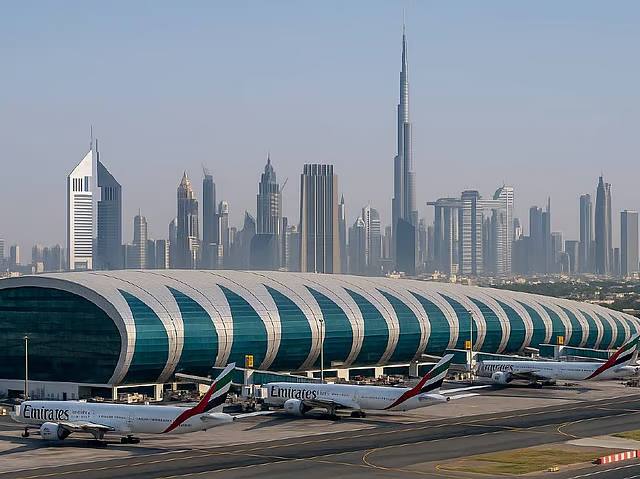
Airports across the UAE remain operational, although passengers continue to face some delays, cancellations and schedule adjustments as airlines respond to changing regional airspace and operational conditions.
Flight situation across UAE airports
Dubai International Airport (DXB)
- Emirates and flydubai continued operating from Dubai, although some flights faced delays and cancellations.
- Flydubai reported cancellations affecting Dubai-Abha and Dubai-Catania services, while delays were recorded on several other international routes.
Zayed International Airport (AUH), Abu Dhabi
- Etihad Airways and Air Arabia Abu Dhabi continued operating.
- Delays affected services to several destinations, including Ahmedabad, Lahore, Islamabad and Kochi.
- Air Arabia Abu Dhabi reported cancellations on its Abu Dhabi-Kuwait services.
Sharjah International Airport (SHJ)
- Air Arabia reported cancellations affecting services to Jizan, Kuwait and Bahrain.
- Some other flights faced delayed departures or revised schedules.
International airlines revise UAE schedules
Several international carriers have also adjusted their Dubai operations:
- Air France: Dubai services suspended through October 13
- Singapore Airlines: Dubai services suspended through October 24
- KLM: Dubai services suspended through October 24
- SWISS: Dubai services suspended through October 24
- ITA Airways: Dubai services suspended through October 24
- Air Canada: Dubai flights cancelled until mid-January 2027
- Philippine Airlines: Manila-Dubai services scheduled to resume October 2
- Lufthansa: Dubai-Frankfurt and Dubai-Munich services scheduled to resume October 25
- British Airways: Dubai services scheduled to resume November 4
These dates reflect published airline schedules and remain subject to change. Passengers should confirm their flight status directly with their carrier before travelling to the airport.
What UAE passengers should do
Passengers with upcoming travel plans should:
- Check their flight status directly with the airline before leaving for the airport.
- Arrive at least three hours before departure, or earlier if advised by their carrier.
- Flydubai passengers should allow at least four hours, in line with the airline’s guidance.
- Monitor emails, text messages and airline notifications for last-minute cancellations, delays or diversions.
- Check airport departure and arrival information before travelling.
Wider Arabian Gulf
The effects of the conflict extend beyond the immediate confrontation between the US and Iran, with security developments elsewhere in the region adding to uncertainty.
Houthi missile and drone attacks targeting Saudi Arabia have heightened regional security concerns, while the Strait of Hormuz remains a key focus for commercial shipping and energy markets.
Iranian restrictions on maritime traffic, combined with the US blockade of Iranian ports, have further complicated shipping operations across the region.
At the same time, diplomatic efforts led by Qatar continue to provide a channel for indirect negotiations between Washington and Tehran. However, no comprehensive agreement to end the confrontation has been announced.
For UAE residents, developments elsewhere in the Gulf remain relevant because of the region’s closely connected aviation networks, shipping routes, energy markets and trade flows.
What to watch next
US response to Iran’s proposal: Attention will remain on whether Washington formally responds to Tehran’s proposed framework and whether mediation efforts can narrow the differences between the two sides.
Further military action: Any new US strikes or Iranian military response could significantly alter the security situation and affect regional transport and travel.
Strait of Hormuz: Changes to vessel movements, maritime restrictions, reported attacks and the US blockade of Iranian ports will remain important indicators for shipping and energy markets.
UAE aviation restrictions: Travellers should monitor any changes to the suspension affecting Iranian carriers, as well as further schedule revisions by UAE and international airlines.
Oil and shipping costs: Further escalation could contribute to volatility in crude prices and potentially increase maritime insurance and freight costs.
Regional security advisories: UAE residents should continue to follow official announcements for any changes to travel, aviation or security guidance.

