

Off-plan deals account for 89% of H1 sales value as Saadiyat and Yas lead property price growth.
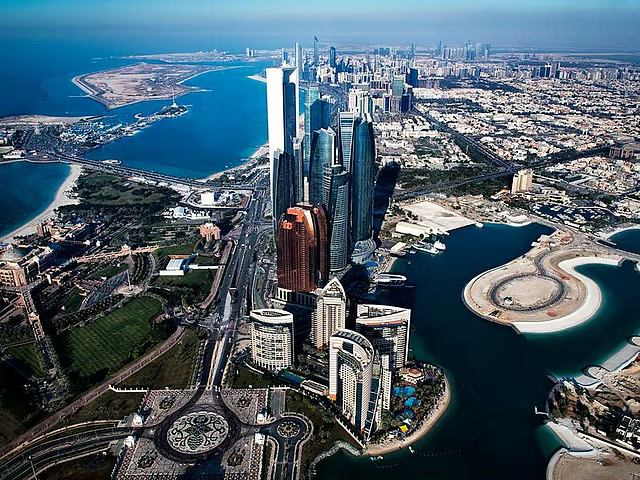
Abu Dhabi’s residential property market has delivered an exceptional performance in 2026, recording its strongest first half to date. Direct foreign investment jumped 309 per cent year on year to Dh13.8 billion, surpassing the total recorded during the whole of 2025.
The figures, released by the Abu Dhabi Real Estate Centre (ADREC) in July, highlight the market’s resilience during a period marked by heightened geopolitical uncertainty across the region.
As the market moves further into the second half of 2026, a key question for investors is whether this strong momentum signals a more permanent shift in demand or whether the rapid pace of growth could begin to moderate.
Gulf News spoke with three property experts offering different perspectives on the market. Despite their varying viewpoints, all three highlighted structural and longer-term factors behind Abu Dhabi’s performance rather than viewing the surge as a temporary rebound.
“This is not a rebound”
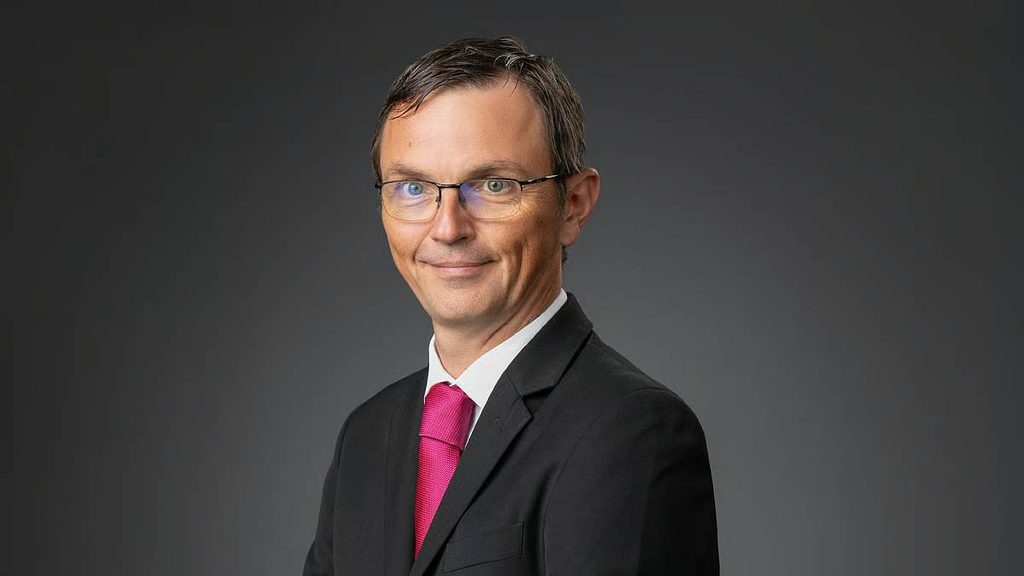
Louis Harding, Head of Residential at Knight Frank, said Abu Dhabi’s recent property performance should not be viewed simply as a market recovery.
“This is not a rebound,” Harding said. “Sales activity and property prices have risen together despite significant regional uncertainty. Much of that growth has been concentrated in a select number of master-planned communities, which points to positive and more structural market activity.”
Andrew Laver, Director at Cavendish Maxwell Abu Dhabi, shared a similar view, saying the emirate’s resilience extends beyond any individual property cycle.
“Abu Dhabi’s resilience appears to be supported by long-term fundamentals rather than short-term reactions to market cycles or isolated economic developments,” Laver said.

He pointed to what he described as a clear growth roadmap extending over the next decade and beyond, supported by population growth, infrastructure investment, greater land accessibility, economic diversification and an evolving regulatory environment.
According to Laver, residential real estate represents only one part of a much wider economic ecosystem that also encompasses retail, logistics, financial services, culture, tourism, education and technology.
This diversity across industries, he said, helps create a more balanced and sustainable demand base, rather than one primarily dependent on speculative activity in the property market.
Abu Dhabi continues to grow
Rashed Al Omaira, Director General of the Abu Dhabi Real Estate Centre (ADREC), said the regulator’s data points to strong investor confidence in the emirate’s future development.
“The main driver is confidence in the quality and direction of Abu Dhabi’s development pipeline,” Al Omaira said, noting that off-plan transactions represented 89 per cent of the total value of residential sales during the first half of the year.
According to Al Omaira, the high share of off-plan purchases shows that investors are willing to commit funds today to developments that will not be completed for several years.
“Investors are not responding simply to an increase in supply. They are investing in the destinations themselves and the long-term potential they represent,” he said.
Al Omaira said several major destinations are helping investors better understand the direction of Abu Dhabi’s future development.
“Yas and Saadiyat continue to serve as key anchors, while Hudayriyat is developing into a destination with its own distinct identity. Jubail, Fahid and Rahman are also helping shape the corridor connecting Saadiyat and Yas. Together, these areas provide investors with a clearer picture of where Abu Dhabi is expanding and how that growth is taking shape,” he said.
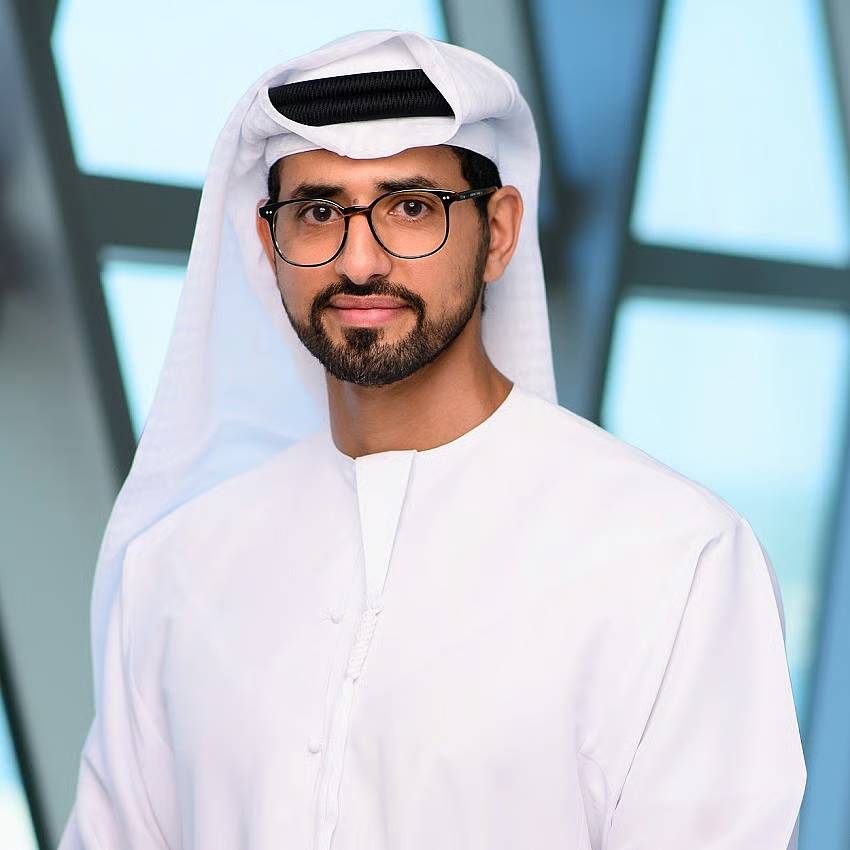
Al Omaira added that ADREC plays a central role in supporting this development by registering projects, monitoring construction progress, safeguarding purchasers’ funds and providing reliable, up-to-date information about the property market.
“This is why ADREC places such importance on project registration, tracking development progress, protecting buyers’ funds and ensuring that accurate and current market data is available,” he said.
Why Saadiyat and Yas continue to lead
The strength of Abu Dhabi’s leading residential destinations is particularly evident in property price growth. During the first half of the year, apartment prices rose by about 20 per cent, while villa prices increased by roughly 12 per cent, with Saadiyat and Yas among the strongest-performing areas.
Harding attributed the performance of the two islands to their established lifestyle offerings and a more controlled approach to development.
“The cultural and leisure infrastructure is already in place, while supply is being delivered by a disciplined master developer rather than through numerous competing developments,” he said.
Laver said the appeal of Saadiyat and Yas comes from a combination of factors that distinguishes them from other residential locations.
“They bring together scarcity, lifestyle, differentiation, significant investment commitments and strong demand from international buyers,” he said. “While some locations compete mainly on price or rental yield, these two islands have established distinctive identities that appeal to both end users and investors.”
Development across these sought-after destinations is also being rolled out through phased master plans, rather than through a large number of projects entering the market at the same time. According to Harding, this controlled supply could help reduce the risk of the market overheating despite the sharp increase in prices.
Asked whether the rise in apartment and villa values was a sign of overheating, Harding said the risk was moderated by “a lower starting base and a concentrated, phased supply”.
Laver, meanwhile, said delivery patterns should also be considered when assessing market conditions.
He noted that the number of homes delivered over the past few years had been absorbed positively by the market. While further completions are expected, some projects have experienced delays in handover.
Such delays are relatively normal, Laver said, and can spread new supply over a longer period, allowing the market more time to absorb completed homes and potentially supporting continued demand.
Competitive prices and lifestyle destinations attract buyers
Asked how Abu Dhabi competes with other global property markets seeking to attract the same international capital, Harding highlighted three key advantages: competitive value, an established and active market, and relatively constrained supply.
“Value. A market that is already trading, and relatively limited supply,” he said.
ADREC data also indicates that Abu Dhabi’s international buyer base has become considerably more diverse. Buyers representing 116 nationalities completed property transactions during the first half of 2026, compared with 82 nationalities during the same period a year earlier. Investors from the UK, China, the US, Germany and France were among the most prominent.
Al Omaira said it was not the dominance of any particular nationality that stood out, but rather the growing diversity of international demand.
“No single nationality surprised us. What was most significant was the breadth of interest,” he said. “It demonstrates that Abu Dhabi is increasingly being viewed not only as an investment destination, but also as a place to live. International demand is therefore becoming less reliant on any single market.”
Understanding the headline figure
Al Omaira also cautioned against interpreting the 309 per cent surge in direct foreign investment as an immediate reflection of investor sentiment surrounding any particular geopolitical development.
“To understand the figures correctly, they need to be considered across the entire reporting period rather than viewed as a real-time reaction to a single geopolitical event,” he said.
ADREC records property transactions when they are formally registered, and the time between an investor’s initial decision and the eventual registration of a transaction can vary.
As a result, the Dh13.8 billion figure represents registered foreign investment across the full first half of 2026 and should not be interpreted as a snapshot of investor sentiment during any individual week or event.
“Investors evaluate Abu Dhabi based on its long-term fundamentals, including stability, strong institutions, regulatory transparency and a clear development strategy. ADREC reinforces that confidence through consistent regulation and dependable market information,” Al Omaira said.
What could shape the rest of 2026
Looking ahead to the second half of the year, Al Omaira remained positive but cautious about putting a specific figure on future growth.
“We remain positive about H2. Abu Dhabi entered the period with strong momentum, and we expect market activity to remain healthy, supported by the depth of demand, broad international participation and continued project activity,” he said.
However, he said it was still too early to predict a specific growth rate for the remainder of the year. ADREC, he added, will continue to assess performance based on completed and officially registered transactions.
“Our role remains clear: to maintain regulatory clarity, monitor project progress, protect purchasers and provide reliable market data,” Al Omaira said.
Laver similarly avoided making a numerical forecast, instead highlighting the market’s ability to absorb new supply as a key factor to watch.
“The main consideration will be how effectively the market absorbs future supply as new phases are completed,” he said. “With continued population growth, rising international investment and ongoing economic diversification, Abu Dhabi appears well placed to maintain a relatively balanced relationship between supply and demand.”
Laver added that Abu Dhabi’s emphasis on long-term planning rather than rapid short-term expansion remains one of the market’s key strengths.
The next major test will be whether demand stays resilient as more developments progress through the pipeline and whether transaction activity expands beyond the emirate’s leading property destinations. With off-plan transactions accounting for a significant share of sales, construction progress and timely project delivery will also remain important indicators of the market’s underlying strength.
For individual buyers, Al Omaira stressed that strong headline growth figures should not replace proper due diligence when considering a property investment.
“Make sure the developer and broker are licensed and that the project is officially registered. Check that advertisements carry a valid Madhmoun permit, and make sure you understand the ownership rights, fees, payment schedule, escrow arrangements where applicable, and completion terms,” he said.
Abu Dhabi offers investors a broad range of opportunities, Al Omaira added, but each property and investment should be assessed on its own merits.

