

Abu Dhabi’s traditional market flavours inspire a Danish chef’s modern cuisine.
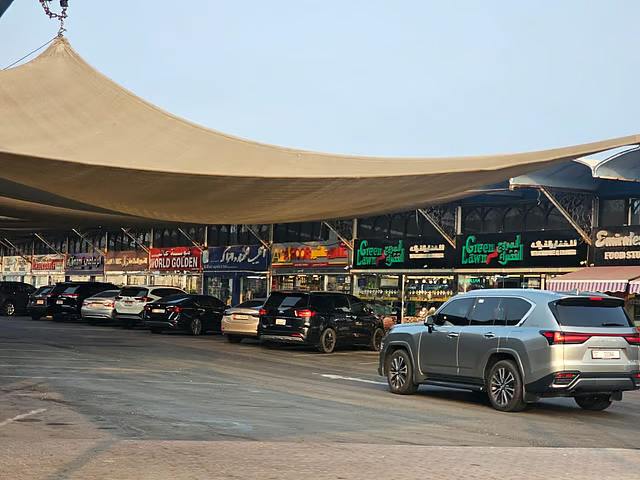
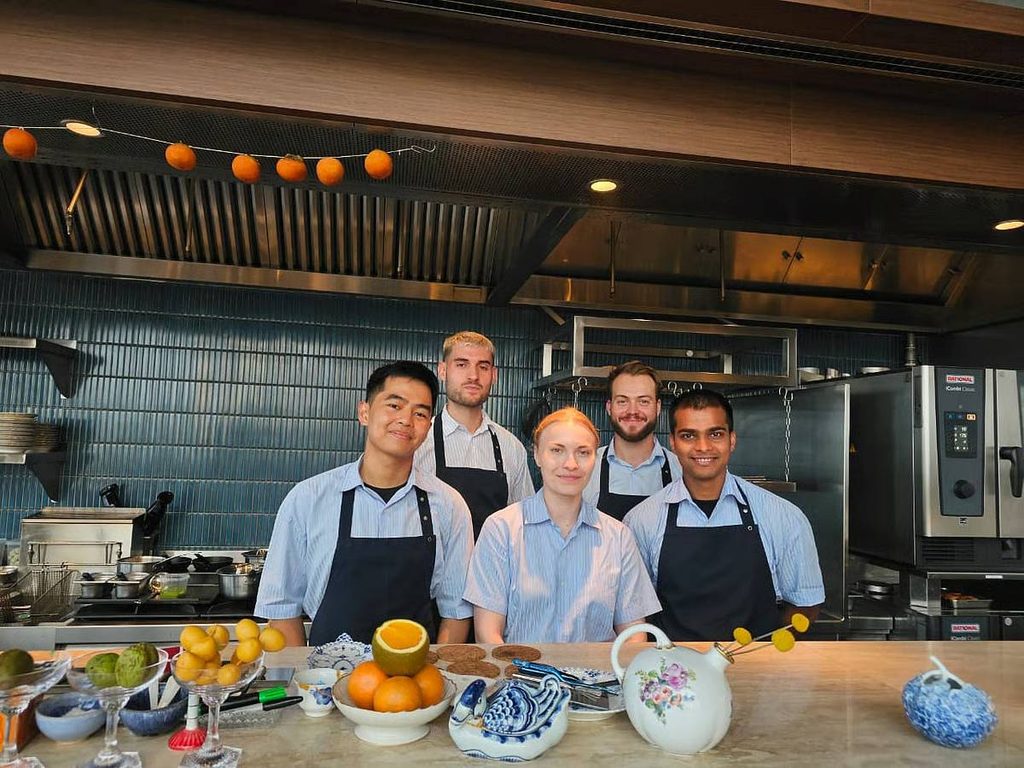
“Whenever we have doubts about the quality of vegetables available at hypermarkets, we have the opportunity to come here and personally select each ingredient ourselves,” said Clara Ida Jensen, sous chef at Restaurant Blue, reflecting on her experience at Abu Dhabi’s Mina Zayed Market.
The market has played a role in Jensen’s culinary journey since the restaurant’s earliest trial stages, well before it officially welcomed diners. Over time, visiting Mina Market has become something of a regular ritual for her.
“It feels like visiting a farmers’ market, only more authentic,” she said.
Sourcing authenticity at Mina Market
Although Restaurant Blue is located in the heart of Mamsha Al Saadiyat, some of the kitchen’s finest fresh ingredients are sourced from one of Abu Dhabi’s oldest and most traditional trading areas.
Coming from Denmark, Jensen said understanding the UAE’s seasonal produce was an important part of adapting the restaurant’s approach to its surroundings.
“We come from Denmark, so there was a great deal for us to discover about what grows locally and what is actually in season here,” she said.
Seasonality, she explained, is central to the restaurant’s culinary philosophy. Rather than relying heavily on ingredients flown in from around the world, the team aims to work with produce that is naturally available at different times of the year.
Unlike supermarkets, where produce is often packaged in advance, Mina Market gives Jensen the freedom to compare ingredients from different regions and select exactly what she wants.
“Nothing is prepacked for us. There might be five different varieties of cucumber from five different countries, so we can compare them, understand what makes each one different and choose the best option,” she said.
Jensen added that she can often buy produce just hours after it arrives at the market, giving her the opportunity to taste and compare different varieties before deciding which ingredients will make it into the restaurant’s kitchen.
For her, however, Mina Market offers more than access to fresh produce. Regular visits have also helped her build relationships with traders and discover culinary customs she may otherwise never have encountered. Their years of experience at the market have become an informal guide, helping her navigate its stalls and uncover new ingredients and traditions.
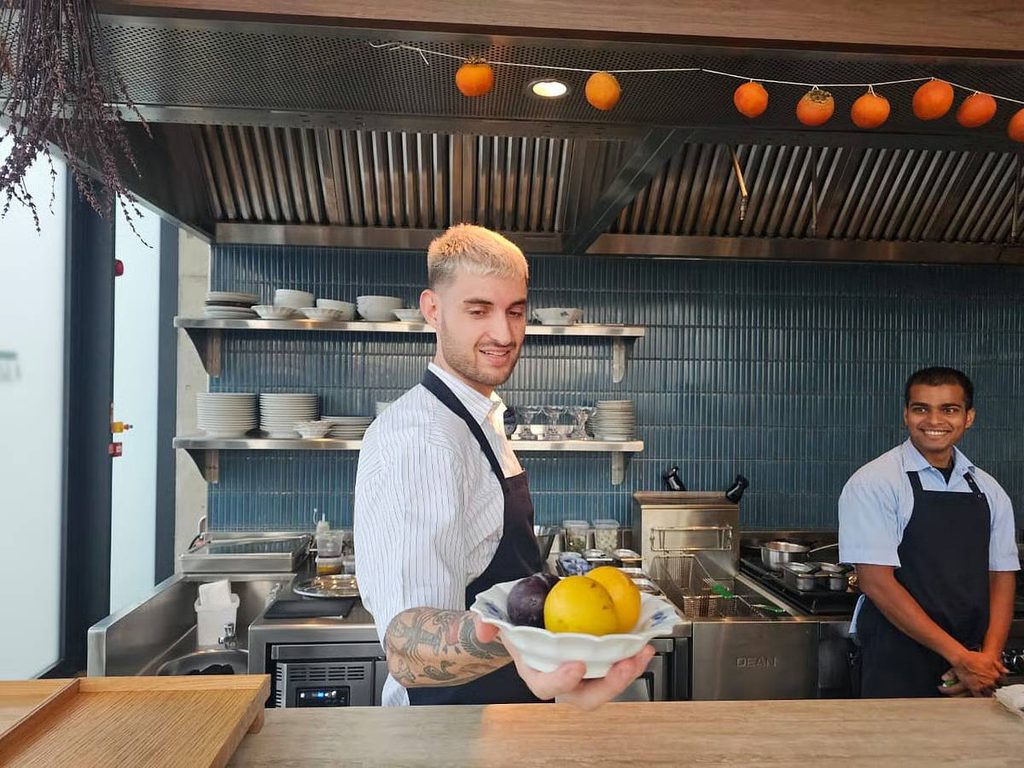
One memorable discovery was the small green plums traditionally enjoyed in Lebanon.
“The first time we came across the green plums eaten with salt and lemon in Lebanon was at Mina Market,” Jensen said. “The traders explained that when they are in season, people in Lebanon eat them with salt, sugar or simply raw.”
For Jensen, encounters like these have become a source of culinary inspiration, introducing her to flavours and traditions that can later influence the dishes created in her kitchen.
The market itself, however, is gradually changing. Many of the original traders, some of whose families were among the earliest to establish businesses there, have passed their stalls on to the next generation.
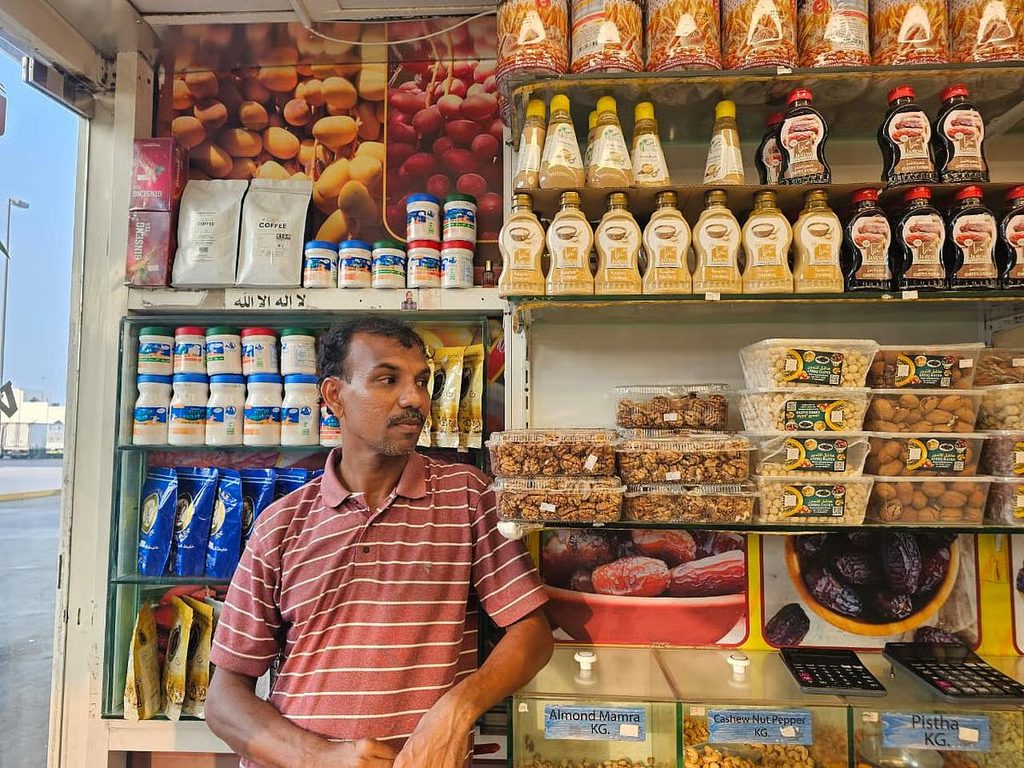
“This shop’s name has been here for almost as long as the market itself,” said Mohamed Afsal, a date vendor at Mina Market. “It belonged to my father and has been operating for around 30 to 33 years. It is part of one of the oldest marketplaces in the GCC.”
Inside the ‘last of old Abu Dhabi’
Afsal said many of the market’s original shop owners have since passed away, leaving their businesses in the hands of their children.
“Today, many of the shops are being run by the second generation,” he said.
The market is also home to a close-knit community of workers who have spent years among its busy stalls and narrow aisles. According to Afsal, many people who begin working at Mina Market develop such strong ties to the place that they remain there for much of their working lives.
“People who come here rarely leave,” he said. “They may eventually open a shop of their own or bring their children into the business.”
That continuity has helped preserve Mina Market’s character, with businesses, knowledge and traditions being handed down from one generation to the next even as Abu Dhabi continues to modernise around it.
According to Afsal, change has always been part of life at Mina Market. Traders have experienced both busy and quieter periods over the years, but improved bus connections have helped keep the market accessible to tourists and regular shoppers alike. As older traders gradually step away, a younger generation continues to take their place.
Abdul Salam, a vendor at Green Lawn, a shop that has operated at Mina Market for about 25 years, said the range of products available has also expanded considerably.
“Our products now come from different countries. In the past, we mainly sold dates, but today we offer many other items, including sweets and other products,” Salam said.
Afsal also recalled stories of his father’s early days at Mina Market, when trading looked very different from what visitors see today.
“My father used to sell dates from a pushcart along these roads, working under an umbrella,” he said. According to Afsal, the late Sheikh Zayed bin Sultan Al Nahyan, Founding Father of the UAE, later instructed the municipality to provide space to the vendors free of charge.
“What began with just four shops eventually developed into a marketplace,” he said.
Then vs now
Afsal joined his father at the market in 2008, by which time the surrounding area had already undergone considerable transformation.
“When I joined my father in 2008, many things had already changed, including the port and the warehouses. I worked in one of those warehouses before eventually joining the family business here,” he said.
The market has continued to evolve in the years since, adapting to new regulations, infrastructure and changing customer preferences.
“The rules have changed and so has the market,” Salam said, adding that traders may eventually move to or become part of the new fish market.
Despite these changes, Mina Market continues to preserve a connection to Abu Dhabi’s trading past, with long-established businesses adapting while a new generation carries their family traditions forward.
Plans are underway to transform Mina Zayed into a modern mixed-use destination as part of a wider redevelopment initiative by the Abu Dhabi government.
Alongside upgrades to the fishermen’s port, the project includes the renovation and redevelopment of several long-established trading areas. According to official statements, these include the fish, fruit and vegetable, meat, carpet, dates and wholesale markets.
The redevelopment aims to reshape the historic district while retaining the markets that have long formed an important part of Mina Zayed’s commercial identity.

