

Trump turns down Iran’s seven-day Hormuz proposal as uncertainty continues over key trade route.
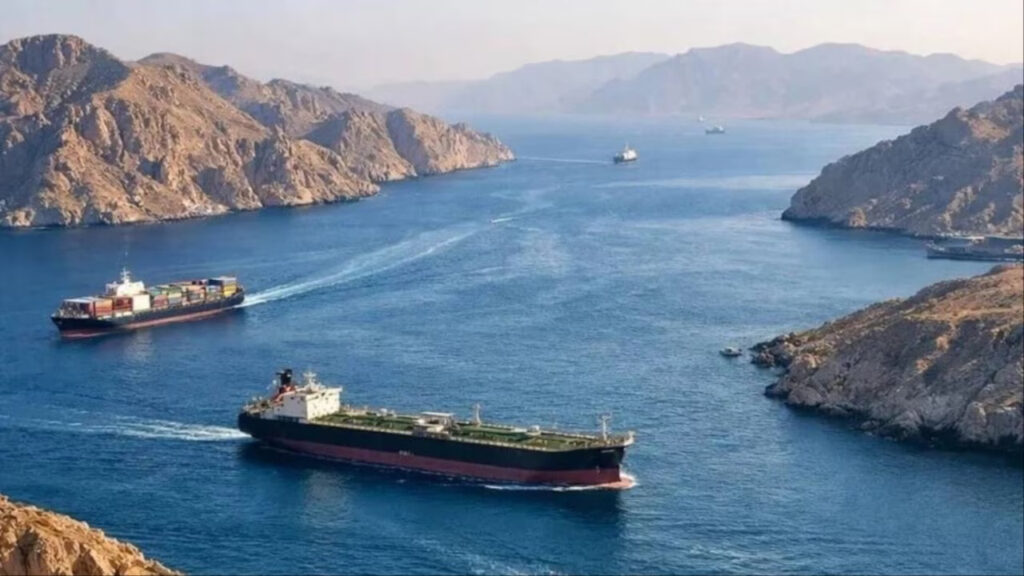
Iran has put forward a seven-day proposal aimed at reopening the Strait of Hormuz and restoring maritime traffic through the crucial shipping corridor. However, a Wall Street Journal report cited by Reuters says US President Donald Trump has rejected the proposal; Iran was still awaiting an official US response as of September 26.
The situation is being closely monitored in the UAE, given the Strait of Hormuz’s importance to regional shipping and energy flows. Continued disruption could have wider consequences for transport, trade and energy markets.
Meanwhile, the UAE has suspended all flights operated by Iranian airlines to and from the country until further notice. The General Civil Aviation Authority said the measure took effect on September 24 in light of US restrictions on Iranian carriers.
Iran outlines seven-day plan for Strait of Hormuz
Iranian Foreign Minister Abbas Araghchi said Tehran had submitted a seven-day proposal to Washington through Qatar, aimed at reopening the Strait of Hormuz and restoring normal maritime traffic. Iran has said the process could begin once the US accepts the framework.
Under the reported proposal, Iran would reopen the strategic waterway within seven days if Washington agrees to a number of conditions.
The plan reportedly calls for a seven-day halt to hostilities across the region, including in Lebanon, an end to the US naval blockade of Iranian ports, the release of at least $12 billion in frozen Iranian assets and the lifting of sanctions on Iranian oil. It would also provide for the Strait of Hormuz to reopen on the seventh day and for negotiations over Iran’s nuclear programme to resume.
Araghchi said implementation could begin as soon as Washington accepts the proposal, while maintaining that Tehran would not agree to a settlement under coercion or threats.
The Wall Street Journal subsequently reported, citing US officials familiar with the matter, that President Donald Trump had rejected the proposal. However, Iran said it was still awaiting a formal US response.
Iran says UN nuclear inspectors can return
In a separate development, Iranian President Masoud Pezeshkian said Tehran was prepared to allow UN nuclear inspectors back into the country.
During an interview with CBS News, Pezeshkian confirmed that Iran would permit inspectors from the International Atomic Energy Agency to return under the framework of the Nuclear Non-Proliferation Treaty. CBS noted that the IAEA had previously said inspectors were not being given full access to Iranian nuclear facilities.
Asked whether inspectors from the International Atomic Energy Agency (IAEA) would be allowed to enter Iran, President Masoud Pezeshkian confirmed that they would.
He added that Tehran was prepared to negotiate the terms and arrangements for inspections as part of broader diplomatic discussions. The issue could take on greater importance if diplomatic efforts pave the way for renewed negotiations over Iran’s nuclear programme.
Saudi Arabia intercepts Houthi attacks
Meanwhile, regional security concerns continued after Saudi Arabia reported intercepting multiple Houthi attacks.
The Saudi-led coalition said its air defence systems intercepted and destroyed two Houthi drones that were heading towards Riyadh. It later announced that a ballistic missile launched towards Khamis Mushait had also been intercepted and destroyed.
Saudi Defence Minister Prince Khalid bin Salman also met Pakistan’s Chief of Army Staff and Chief of Defence Forces, Field Marshal Asim Munir, following discussions between senior military officials from both countries under the Mecca Joint Defence Agreement.
The talks focused on attacks targeting Mecca, as well as threats to Saudi Arabia’s civilian facilities and economic infrastructure.
Oman and Iran discuss safe passage through Hormuz
Diplomatic discussions over the Strait of Hormuz also continued in New York, where Oman’s Foreign Minister Badr Albusaidi met his Iranian counterpart Abbas Araghchi on the sidelines of the UN General Assembly.
The two ministers discussed the latest regional developments, including efforts aimed at ensuring safe maritime passage and navigation through the Strait of Hormuz.
According to Oman’s Foreign Ministry, the discussions centred on reducing regional tensions, strengthening mutual trust and safeguarding freedom of navigation through the Strait of Hormuz, a crucial passage for international trade and global energy supplies.
US redirects commercial vessels
Meanwhile, US Central Command said 122 commercial vessels had been redirected as part of measures linked to the US blockade of Iran.
The move underscores the continued uncertainty facing commercial shipping in the region and highlights the Strait of Hormuz’s critical role in regional and international trade.
Why the Strait of Hormuz matters to UAE residents
The Strait of Hormuz is one of the world’s most significant energy shipping corridors, making developments around the waterway particularly important for the UAE and the wider region.
A prolonged disruption could influence global oil prices and raise shipping, freight and insurance costs, with potential knock-on effects on trade and the price of imported goods.
For UAE residents, several areas could be affected. Movements in international oil markets may eventually influence domestic petrol and diesel prices, while higher freight, insurance and transportation costs could make shipping and deliveries more expensive.
Food and other imported products could also face price pressures if logistics costs remain elevated for an extended period. However, the extent of any impact would depend largely on how long the disruption lasts and its severity.
Regional uncertainty and fluctuations in oil prices may also affect financial markets, including currencies, equities, borrowing costs and investments.
Flights to Iran disrupted from Iraq
The impact on aviation is also being felt beyond the UAE.
Najaf International Airport suspended flights to and from Iran from September 25 until further notice. Reuters also reported that other airports in Iraq had halted Iranian flights amid new US restrictions affecting the country’s aviation sector.
UAE flights: What residents need to know
Airports across the UAE remain operational, although the restoration of international airline services continues to vary between carriers.
The UAE General Civil Aviation Authority suspended flights operated by Iranian airlines to and from the country from September 24 until further notice.
Several international carriers have also temporarily suspended or reduced services to Dubai and other UAE destinations.
According to currently published schedules, Air France has suspended Dubai flights through October 13. Wizz Air expects to resume Dubai services on October 25 and Abu Dhabi flights on October 27.
Singapore Airlines, KLM, ITA Airways and SWISS have suspended Dubai services through October 24. Eurowings has also halted its Dubai flights through October 24, with services currently scheduled to restart on November 1.
Air Canada has cancelled Dubai flights until mid-January 2027, while Philippine Airlines is scheduled to restart its Manila-Dubai route on October 2, initially operating four flights a week.
Turkish Airlines has resumed services to Dubai and Abu Dhabi, although its flights to Tehran remain suspended.
These schedules remain subject to change depending on operational requirements and developments in the regional security situation. Residents planning to travel in the coming days should confirm their flight status directly with their airline and check airport updates before beginning their journey.
What UAE residents should watch next
For UAE residents, the key areas to monitor are air travel, fuel prices, shipping activity and any potential changes in the cost or availability of imported goods.
A reopening of the Strait of Hormuz could reduce some of the pressure facing energy and shipping markets. If disruption continues, however, uncertainty could persist for airlines, shipping operators and businesses dependent on international supply chains and imported products.
For now, airports across the UAE continue to operate, although residents planning to travel or waiting for shipments should be prepared for schedules and transport conditions to change at short notice.
Conclusion
The reported rejection of Iran’s seven-day proposal has left the Strait of Hormuz at the heart of continuing tensions between the US and Iran.
Diplomatic discussions remain ongoing, but there is currently no confirmed agreement under the proposed framework to reopen the strategic waterway and restore normal maritime traffic.
For UAE residents, the key developments to follow include changes to airline schedules, restrictions affecting Iranian carriers, fuel prices, shipping activity and any potential impact on the cost and availability of imported goods.

