

Commuters share what could persuade them to swap their cars for the new train.
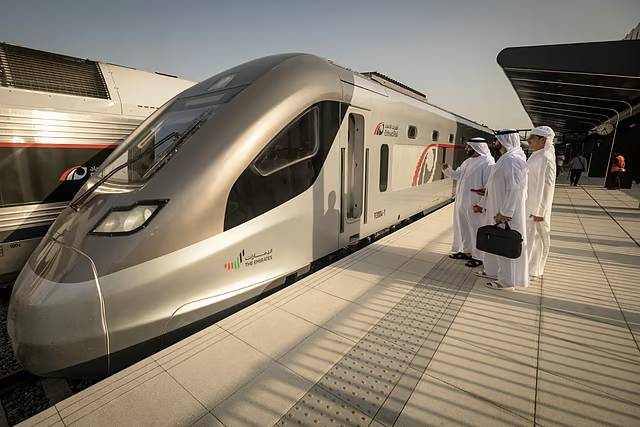
Dubai: For professionals who live in one emirate and work in the other, the daily commute between Abu Dhabi and Dubai can take up a significant part of the working day, with peak-hour traffic sometimes pushing journey times to as much as two hours each way.
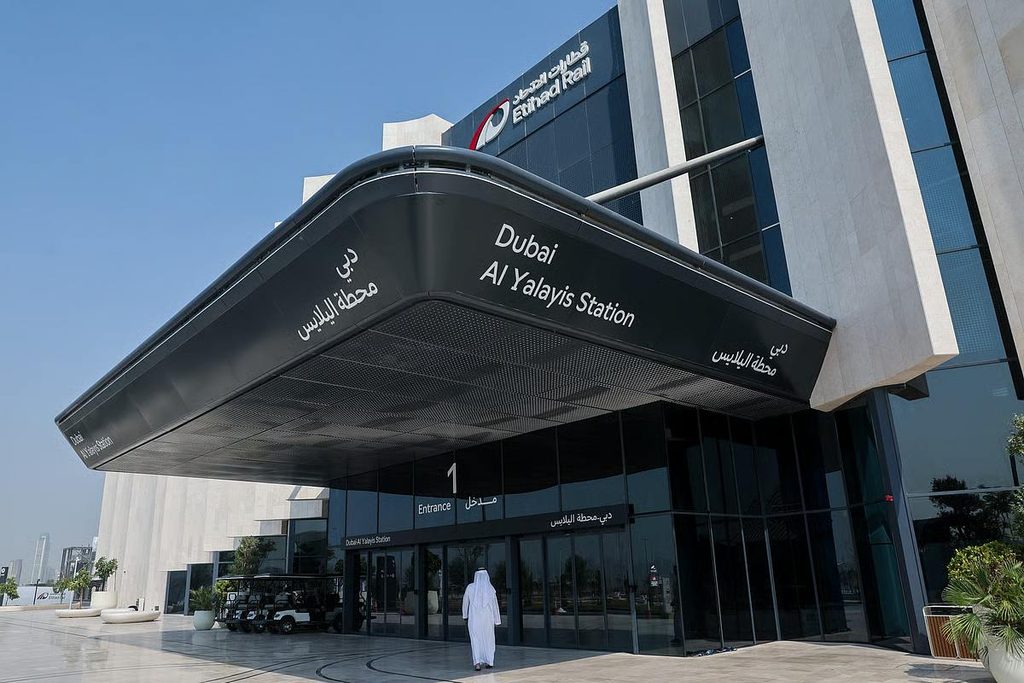
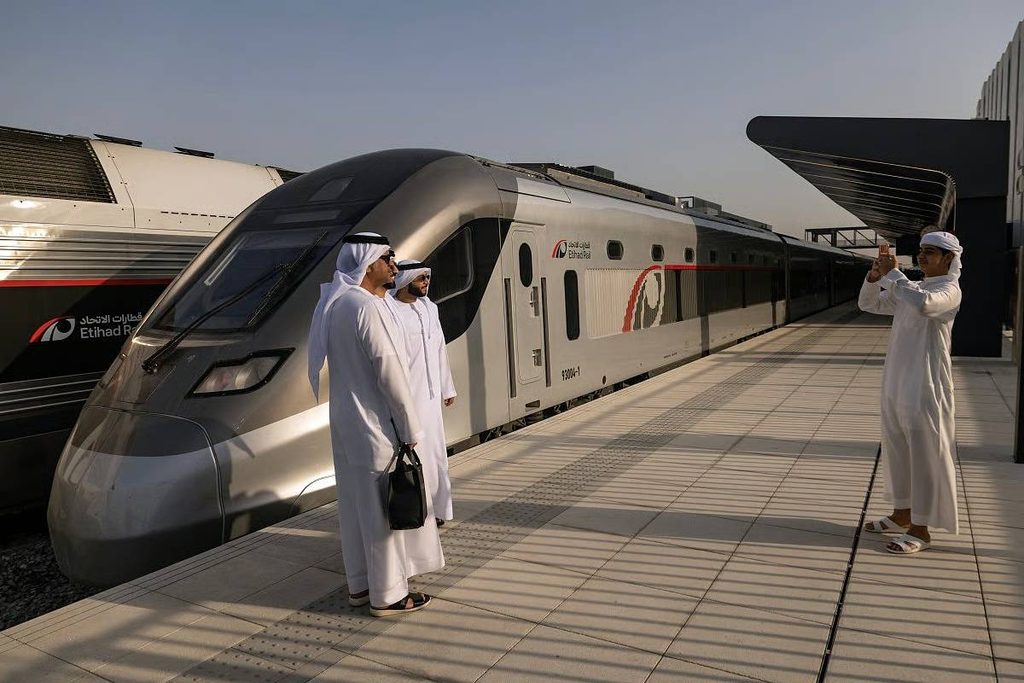
From September 30, Etihad Rail will offer commuters an alternative. The new passenger service will connect Dubai’s Al Yalayis Station with Mohammed Bin Zayed City in Abu Dhabi, completing the journey in about 57 minutes — roughly half the time the same trip can take by road during peak traffic.
The impact could extend well beyond shorter journey times. As HR experts noted in an earlier report, faster connections between Abu Dhabi and Dubai could widen the talent pool available to employers while giving jobseekers greater flexibility to consider opportunities in either emirate.
Those likely to feel the biggest impact, however, are the people who make the journey most frequently — daily and weekly commuters, as well as professionals who regularly travel between the emirates for projects and meetings.
So, will the new rail service persuade them to leave their cars behind? We asked commuters to weigh the advantages and drawbacks.
“Catch up on some work before heading to the office”
Akshata Kamath, a 31-year-old media professional who lives in Abu Dhabi, travels to Dubai almost every day for her job in Media City.
“I wouldn’t necessarily use Etihad Rail every day to commute, but I would definitely consider using it a few times a month,” she says. “I think it would be more convenient than sitting in a car for two to three hours.”
For Kamath, one of the biggest advantages is the ability to make productive use of the journey.
“On a train, you don’t really feel the length of the journey, and with free Wi-Fi, you can easily respond to emails and catch up on some work before heading to the office.”
I think it would be more convenient than sitting in a car for two to three hours. On a train, you don’t really feel the length of the journey, and with free Wi-Fi, you can easily respond to emails and catch up on some work before heading to the office.
Akshata Kamath
The location of the Abu Dhabi station also makes the service a practical option for her. Kamath lives in Al Qana, which is relatively close to the station in Mohammed Bin Zayed City.
“I also live in the Al Qana area, which is approximately 10 minutes from the station in Abu Dhabi, located in MBZ City, so I would consider using the train from time to time,” she says.
Connectivity at the Dubai end is another factor in the train’s favour, particularly because the station links with the Dubai Metro network.
“The Dubai station is also linked to the Dubai Metro, which would provide easier access to the wider metro network. That would be particularly useful as Media City has stations such as Al Fardan, Internet City and Sobha Realty along the route.”
Cost is another consideration. With one-way fares starting at Dh39, Kamath sees the train as a more affordable alternative to taking a taxi while also offering a quicker journey than travelling by bus.
“When it comes to the price, which starts at Dh39 for a single trip, it is definitely cheaper than taking a taxi and faster than travelling by bus.”
The weekly commuter: Balancing convenience and cost
Shreya Parthasarathy, a consultant who travels from Abu Dhabi to her main office in Downtown Dubai once or twice a week, said the new rail service could become a practical option for some of her weekly journeys.
“First of all, if you don’t drive or have a car, public transport can be a little slower, while taking a taxi regularly can be expensive. Even if you do drive, the journey can be quite tiring, especially if you’re making the trip multiple times a week. So, yes, I would consider using the train a few times a week.
“There is also the additional cost and time involved in getting to and from the stations, particularly for people who rely on public transport. But even after factoring in those last-mile considerations, I think it is worth trying. It could be a convenient option for a lot of commuters.”
There is also the additional cost and time involved in getting to and from the Etihad Rail stations, particularly for people who rely on public transport. But even after factoring in those last-mile considerations, I think it is worth trying. It could be a convenient option for a lot of commuters.
Shreya Parthasarathy
A welcome break from long drives
Rasha Abushamaa is particularly familiar with the demands of travelling between Dubai and Abu Dhabi. The Jordanian expatriate, a marketing and communications specialist and mother of four, made the journey from Dubai to Abu Dhabi almost every day for three years, between 2022 and 2025.
Now primarily based in Abu Dhabi, Abushamaa no longer has to make the lengthy drive as part of her regular routine, but the experience remains fresh in her mind.
“Now, I only travel to Dubai for work when there is an event or a project, but to be honest, I don’t really enjoy driving for long stretches,” she says. “The road from Abu Dhabi to Dubai can feel like one long, continuous journey.”
For Abushamaa, travelling by train could make the journey feel less demanding while allowing her to put the travel time to better use.
“I think when you’re on a train, you don’t really feel the length of the journey as much, and you can use the time to work on your laptop or read a book.”
I would consider taking the train when I need to go to Dubai for work events. The MBZ station is a little further from where I live, but my children’s school is in the MBZ area, so if I could park my car at the station and take the train from there, that could be quite convenient for me.
Rasha Abushamaa
Her use of the service would likely be occasional and shaped around her family’s routine.
“I would consider taking the train when I need to go to Dubai for an event. The MBZ station is a little further from where I live, but my children’s school is in the MBZ area, so if I could park my car at the station and take the train from there, that could be quite convenient for me.”
Abushamaa has yet to try the passenger rail service, but she already has a family journey planned.
“I haven’t tried it yet, but my family and I are also planning to take the train to Fujairah for a short weekend staycation at one of the resorts. I think once I’ve tried it, I’ll have a better idea of how useful it could be for my trips to Dubai.”

Choosing the train over traffic, petrol and Salik
Ahmed ElMowalad, a 35-year-old Egyptian expatriate who has lived in the UAE for nine years, is not a daily commuter. The Dubai-based technology professional previously travelled to Abu Dhabi every few weeks for work and meetings and says the journey can be more exhausting than the travel time alone might suggest.
“I think the train could also make the journey less tiring,” he says. “Driving for long hours, sitting in traffic and stopping for petrol can leave you tired by the time you arrive, especially if you have to make the return journey on the same day.”
ElMowalad does not expect to use the train every day, but sees it as a practical alternative when road conditions make driving less appealing.
“I probably wouldn’t use it every day, but I would definitely consider it when I want to avoid peak-hour traffic. When you also factor in Salik and petrol costs, the train could be a convenient alternative.”
I think the Etihad Rail route will definitely help businesses reach more clients, and it will encourage jobseekers to consider more opportunities in other emirates. It also makes sense from a cost point of view. I probably wouldn’t use it every day, but I would definitely consider it when I want to avoid peak-hour traffic. When you factor in Salik and petrol costs, the train could be a convenient alternative.
Ahmed ElMowalad
He also believes the service could have a broader impact by making employment opportunities across different emirates more accessible.
“I think this will make it easier for people to consider job opportunities in other emirates. For some people, the location and commute are important factors when deciding whether to accept a job. Spending hours stuck in traffic can put people off, so having a faster and more convenient way to travel could make a difference.”
For employers, ElMowalad sees practical benefits as well, particularly when teams need to travel between Dubai and Abu Dhabi for work.
“If a group of employees needs to travel from Dubai to Abu Dhabi for a meeting or a project, taking the train could be much easier than spending two or three hours on the road, especially with traffic. It could also make it easier to meet clients or colleagues in another emirate.”
The wait-and-see crowd
Not every commuter is ready to make the switch straight away. Benny Huang, a 21-year-old intern at a Dubai-based recruitment agency in JLT who was born and raised in the UAE, recently obtained his driving licence and currently prefers the convenience of travelling by car.
“I recently got my driving licence, so at the moment I find it more convenient to travel by car,” he says. “Before I got my licence, I used to take the bus from Zayed Airport to Ibn Battuta and then continue by Dubai Metro.”
For Huang, the new rail service is something he is interested in trying before deciding whether it could become part of his regular commute.
“The Abu Dhabi station is about 20 minutes from my home, so I’m not sure I would use the train every day. However, I might consider driving to the station, leaving my car there and taking the train to Dubai, just to try it out and see how convenient it is for me. Train travel between the emirates is still a fairly new concept, so I think I would want to experience it first before deciding how often I would use it.”
The Abu Dhabi station is about 20 minutes from my home, so I’m not sure I would use the train every day. However, I might consider driving to the station, leaving my car there and taking the train to Dubai, just to try it out and see how convenient it is for me. Train travel between the emirates is still a fairly new concept, so I think I would want to experience it first before deciding how often I would use it.
Benny Huang
What it means for the job market
Recruitment specialists see similar potential in the new rail connection, even as commuters weigh whether it fits their routines. James Randall, Middle East Sales Director at HireRight, said improved connectivity could make previously impractical job opportunities more accessible to candidates.
“Easier travel between Dubai and Abu Dhabi could make roles that candidates previously considered impractical feel genuinely viable, particularly where employers offer hybrid working or do not require a daily office presence. For many professionals, the decision will depend not only on journey time, but also on predictability, cost, and how often they are expected on-site.”
Easier travel between Dubai and Abu Dhabi could make roles that candidates previously considered impractical feel genuinely viable, particularly where employers offer hybrid working or do not require a daily office presence. For many professionals, the decision will depend not only on journey time, but also on predictability, cost, and how often they are expected on-site.
James Randall, Middle East Sales Director at HireRight
A reliable passenger rail connection could also allow employers to recruit from a wider talent pool while giving professionals greater flexibility to pursue opportunities in another emirate without having to relocate.
Randall, however, said transport would remain just one of several factors influencing employment decisions.
“However, transport will remain only one part of the decision. Salary, flexibility, career progression, and the complete door-to-door commute will still determine whether an opportunity is attractive. Employers that combine improved connectivity with realistic working arrangements are likely to benefit most.”

