

Asia’s oil imports rise again, but Iran war continues to disrupt supplies.
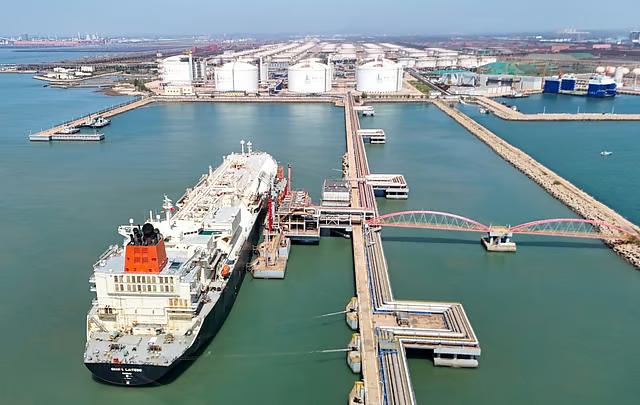
Asia is set to record its highest crude oil imports since the US-Iran war began, despite ongoing disruptions in the Strait of Hormuz that continue to restrict supplies from the Middle East.
Asian countries are projected to import 23.96 million barrels per day (bpd) of crude oil in September, according to Kpler data cited by Reuters commodities columnist Clyde Russell.
The figure is up from 23.38 million bpd in August and would be the region’s highest monthly import volume since February, before the conflict began.
Asian refiners adjust to supply constraints
The rebound suggests that Asian refiners are gradually adjusting to the supply disruptions caused by the war and reduced crude shipments through the Strait of Hormuz.
Import volumes, however, remain considerably below normal levels.
September crude imports are projected to be around 13% lower than pre-war levels, based on Reuters calculations using Kpler data.
Purchases had fallen to decade-low levels in April and May as Asian refiners rushed to find alternative sources after crude shipments through the Strait of Hormuz were severely disrupted.
Hormuz flows recover, but remain subdued
Oil shipments through the crucial waterway have picked up from the sharp lows recorded in April and May.
Reuters reported on Wednesday that Saudi Arabia has stepped up crude tanker movements, loading as much as 12 million barrels in a single day and transporting the oil through the Strait of Hormuz for ship-to-ship transfers off the coast of Oman.
Despite the improvement, Gulf oil exports remain below the levels recorded before the war.
The shortfall is particularly significant for Asia, which relies heavily on Middle Eastern crude to meet its oil demand.
The Strait of Hormuz is a key route for global oil trade, linking major Persian Gulf producers with some of the largest energy markets in Asia.
As the conflict continues to disrupt traditional supply routes, Asian refiners have diversified their sources of crude and adapted their buying strategies.
These adjustments have helped imports recover, but volumes remain short of the levels seen before the war.
China’s crude imports remain below pre-war levels
China highlights the continuing pressure on Asian oil demand, according to industry tracker OilPrice. The world’s largest crude importer raised purchases to 8.93 million barrels per day (bpd) in August, a 6.2% increase from July, based on Chinese customs data.
The rise marked the second straight month of gains, extending the recovery from a decade-low recorded in June.
Despite the rebound, August imports remained roughly 2 million bpd below February levels, before the conflict significantly disrupted regional oil flows.
Elevated crude prices could also slow the pace of China’s import recovery.
Although Brent crude slipped 0.23% to $102.80 a barrel on Thursday (September 24, 2026, at around 9:22am Tokyo time), prices remain high enough to make inventory building more costly for refiners. WTI crude fell 0.15% to $92.02 a barrel, while Murban crude climbed 4.06% to $113.10.
Goldman Sachs expects China’s crude imports to rise by only around 600,000 barrels per day in the fourth quarter compared with the third quarter, suggesting the recovery could remain gradual.

