

DP World’s extensive global network has helped the company manage its assets efficiently and limit the effects of disruptions around the Strait of Hormuz.
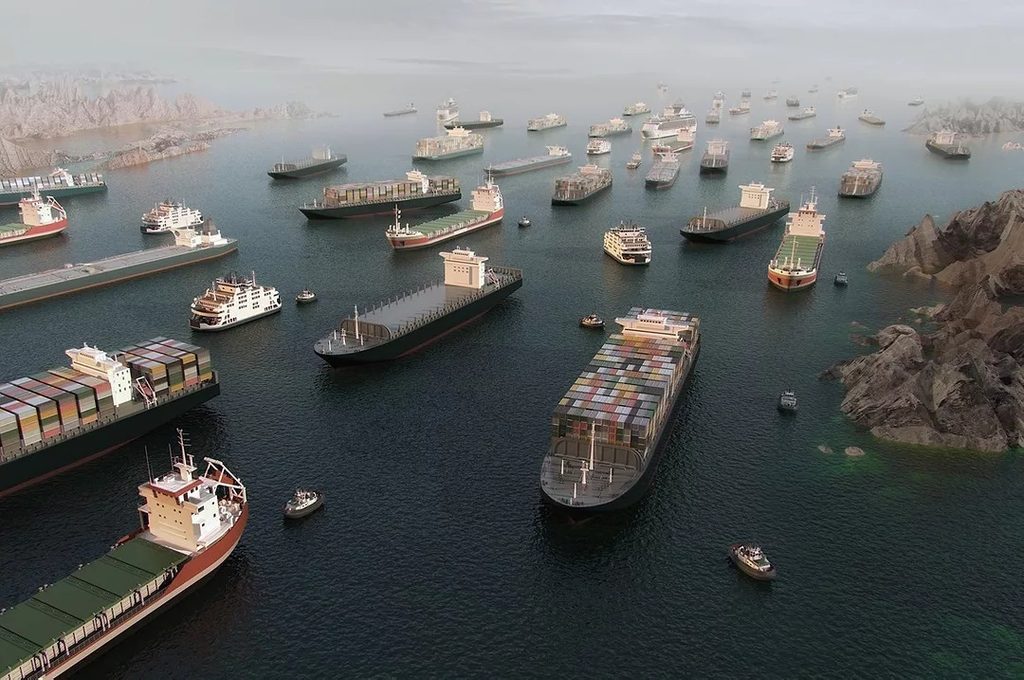
DP World expects the Strait of Hormuz to eventually reopen, while the global ports and logistics company continues to rely on its operational flexibility to maintain cargo movements amid the disruption, according to its global head of Economic Zones.
Speaking during a closed-door briefing at the Arab Media Summit in Dubai, Abdulla Al Hashmi said he was confident the key shipping route would reopen, although the timing and circumstances surrounding its reopening remain uncertain.
Al Hashmi described the Strait of Hormuz as a vital maritime gateway into the Arabian Gulf, providing a natural shipping route for cargo destined for markets across the region.
He noted that more than 100 million people are estimated to live in areas served through the Strait, underscoring its importance to regional trade and supply chains. According to Al Hashmi, reopening the waterway will be essential for trade flows to return to normal.
He added that the UAE is currently in a relatively resilient position due to its geographic advantages, which provide greater flexibility in managing ongoing disruptions.
DP World, meanwhile, recorded strong financial performance in the first half of 2026. The company reported revenue of $12.7 billion, representing a 13.1 per cent increase compared with the same period a year earlier.
Flexibility Helps DP World Manage Disruptions
Excluding Jebel Ali, where vessel traffic has declined sharply since tensions escalated around the Strait of Hormuz, DP World handled 6.5 per cent more containers compared with the same period last year.
Al Hashmi said the company’s geographically diverse portfolio of assets has provided greater flexibility during the disruption. Its operations across multiple regions have allowed DP World to adjust its resources and reduce the impact on cargo movements.
So far this year, the company has transported more than 500,000 containers by land from the UAE’s east coast to the Gulf coast, which includes major population and commercial centres such as Dubai and Abu Dhabi.
DP World is also planning new terminals at Ruqaylat and Dibba on the UAE’s east coast. The facilities are expected to provide additional transport routes connecting cargo with the company’s flagship Jebel Ali hub on the Arabian Gulf.
Beyond the Jebel Ali Free Zone, DP World manages economic zones across several continents. Al Hashmi highlighted the importance of these zones to the company’s wider business model, noting that DP World’s activities extend beyond port operations to economic zone development and management, maritime services and logistics.
DP World is also developing two new terminals in Fujairah as part of efforts to strengthen its logistics network. Group Chairman Essa Kazim said last month that the additional facilities would provide cargo owners with greater flexibility while further supporting the UAE’s role as a major global trade and logistics hub.
This article has been updated to correct information about DP World’s economic zones. An earlier version incorrectly stated the geographical location of one of the zones.

