

Schools are urging families to keep children at home if they develop symptoms such as fever, cough, vomiting or diarrhoea, giving them time to recover while helping prevent illnesses from spreading in classrooms.
The first week of school is often a mix of excitement, new routines and children adjusting to being back in the classroom. But as students across the UAE returned to school on August 31, schools were also reminding parents of another important back-to-school rule: children who are unwell should stay home until they have recovered.
Schools are urging families to keep children at home if they develop symptoms such as fever, cough, vomiting or diarrhoea. This gives children time to recover while helping reduce the risk of illness spreading through classrooms.
The guidance comes as schools begin the new academic year and welcome millions of children back to classrooms across the country. School leaders are stressing that keeping students healthy requires close cooperation between families and schools.
UAE schools stress recovery before children return to class
Schools are reminding families that their health and safety measures are aligned with recommendations from the Dubai Health Authority (DHA) and the Knowledge and Human Development Authority (KHDA).
At Woodlem British School, Ajman, principal Natalia Svetenok said the message to parents is deliberately simple: children are better able to learn when they are feeling well.
“We always remind families of one simple thing: a child learns best when they are well. If a student has a fever, flu-like symptoms, vomiting or diarrhoea, staying home is the right choice until they have recovered and are ready to return safely. Medical certificates may be needed in certain infectious-disease cases, but not for every minor illness.”
The school also continues to focus on preventive measures on campus, including cleanliness, ventilation and hygiene. Svetenok said communication between parents and schools is particularly important when a child begins showing symptoms.
“In school, we continue to focus on clean classrooms, good ventilation, regular sanitisation and strong hygiene routines. What matters most is communication. When parents and schools work together early, we protect the wellbeing of every child and keep learning moving forward.”
For families, distinguishing between a minor sniffle and symptoms that warrant keeping a child at home can sometimes be difficult, particularly during the busy first weeks of the academic year. Schools are therefore encouraging parents to err on the side of caution when children develop a fever, gastrointestinal symptoms or other signs of illness.
Vaccination remains part of schools’ wider health measures
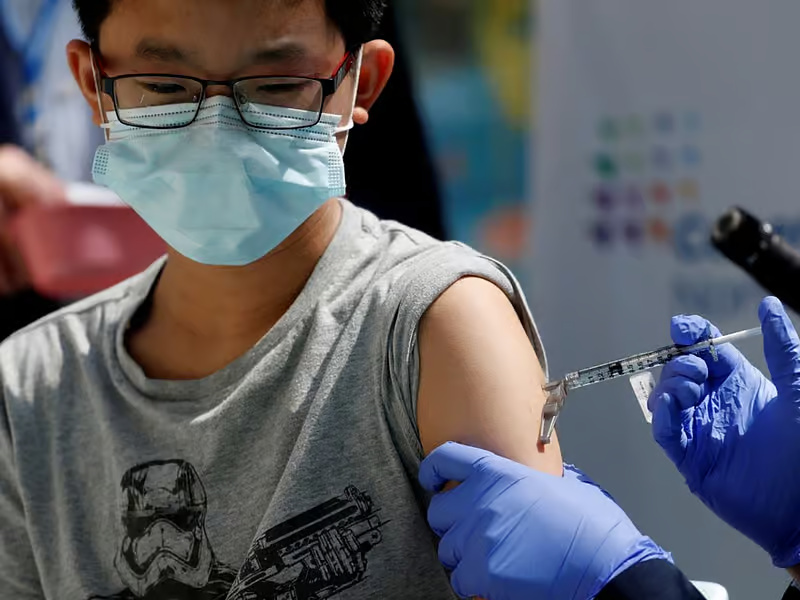
Alongside illness-prevention measures, schools will also continue vaccination initiatives as part of their broader approach to student health.
At Sharjah Indian School, vaccination programmes begin well ahead of the new academic year. Principal Pramod Mahajan said families are asked to provide their children’s vaccination records, allowing the school to identify any gaps and, where appropriate, facilitate vaccinations with parental consent.
“Our vaccination drive begins in April itself. We ask parents to provide proof of their children’s vaccination. If we observe any gaps, we suggest that the child can be vaccinated at the school during the school’s vaccination drive. But the parents must give their consent.”
The programme covers students from KG through to the senior grades, with the type of vaccination varying according to age and requirements. Mahajan said the school follows a set schedule and provides families with the relevant dates.
“A proforma with the dates is provided, and we follow that schedule. The vaccination drive is held for students from KG all the way to senior grades. It’s just that the nature of the vaccination is different.”
“In September-October, for example, we will have the vaccination for influenza. The vaccination drive is held six times a year,” he added.
Proactive collaboration between all parties
Meanwhile, in a circular to parents, a Dubai school reiterated that maintaining a healthy environment requires “proactive collaboration between families and the school”. It also stressed that allowing children adequate time to recover helps protect both the individual child and the wider school community.
The school specifically asked parents to keep children at home and monitor them if they develop symptoms including a cough, “a fever above 37.5°C, a sore throat, vomiting, diarrhoea, a runny or blocked nose, body aches, abdominal pain, conjunctivitis or a rash”. Parents were also advised to consult their paediatrician if necessary.
The health guidance shared with families acknowledges that illness cannot always be prevented, but allowing children sufficient time to recover can help reduce the risk of infections spreading at school.
Importantly, the school has also set out clear return-to-school guidance. Children should be fever-free for at least 24 hours without fever-reducing medication before returning to class. Those who have experienced vomiting or diarrhoea should wait at least 48 hours after their symptoms have subsided before returning to school.

