

UAE suspends Iran trade and financial dealings as travel concerns grow.
The US-Iran confrontation entered another uncertain phase on Thursday, August 20, as President Donald Trump threatened tougher economic measures against Tehran, while Iran maintained that the Strait of Hormuz remains effectively closed. The standoff is continuing to weigh on shipping, oil markets, regional trade and travel plans, with developments capable of changing rapidly.
Key developments
The standoff has introduced new trade, financial and travel uncertainties for UAE residents and businesses, particularly those with links to Iran.
- Trade and financial transactions: The UAE has suspended trade and financial transactions with Iran until further notice, affecting businesses involved in bilateral commerce and payments.
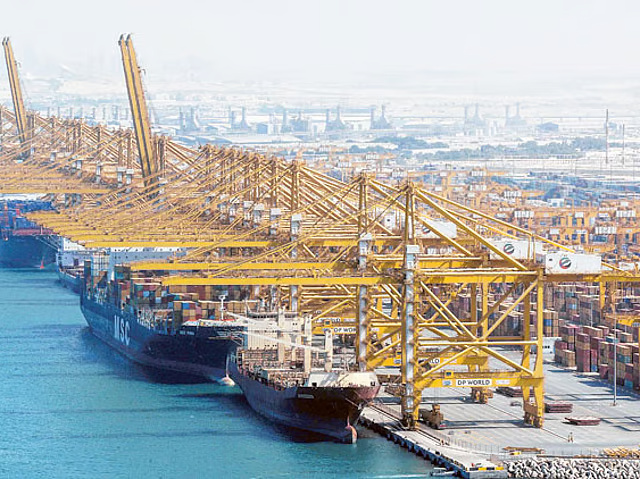
- Shipping: Uncertainty over the Strait of Hormuz is putting pressure on shipping routes and raising concerns over delays, higher freight costs and insurance premiums.
- Oil and fuel markets: Elevated crude prices could have wider effects on transport and business costs if disruptions to Gulf energy supplies persist.
- Travel: Air and sea travel plans may remain subject to changes as the regional security situation develops. Passengers should check with airlines and follow official UAE travel advisories before travelling.
- Businesses: Companies with exposure to Iran may face additional compliance, payment and logistics challenges while the restrictions remain in place.
The most significant recent development for the UAE has been its decision to suspend trade, commercial exchanges and financial transactions with Iran.
The move came after an incident in which the UAE said two ballistic missiles were launched from Iran and fell into Gulf waters after being directed towards maritime traffic.
No damage or casualties were reported. However, the incident prompted nationwide emergency phone alerts advising residents to seek shelter — the first widespread warning of its kind in several weeks.
The escalation represents a sharp deterioration in ties between the UAE and Iran, despite the two countries maintaining substantial commercial links amid wider regional tensions.
Residents are being urged to rely on official government updates, while travellers continue to face disruptions on some Gulf routes.
Although the precise circumstances surrounding the missile launch remain disputed, the UAE government has treated the incident as a serious escalation in regional security tensions.
UAE freezes Iran ties
The UAE’s decision to suspend all trade, commercial exchanges and financial transactions with Iran “until further notice” could affect:
- Businesses importing from, exporting to or transiting goods through Iran could face new restrictions and disruptions.
- Bank transfers, remittances and other financial transactions involving Iranian entities may also be affected.
- Residents with commercial, family or financial ties to Iran could face difficulties with payments and other dealings.
- Maritime and logistics companies operating around the Strait of Hormuz may face additional uncertainty and operational challenges.
The decision represents a significant deterioration in a relationship shaped by close geography and longstanding commercial ties.
Why the US-Iran crisis matters
The latest UAE-Iran tensions are part of the wider confrontation between the United States and Iran.
Traffic through the Strait of Hormuz remains subdued despite US claims that the waterway has reopened. An attack on a cargo vessel this week killed one person, while Tehran has maintained that the strait will remain “closed” unless Washington meets its demands.
Any prolonged disruption could push up shipping costs, delay cargo movements and place additional pressure on regional energy and consumer markets.
Flights and travel
UAE airlines continue to operate most routes, but passengers should be prepared for possible cancellations, delays and last-minute changes to flight paths.
Travellers are advised to check their airline’s flight-status page before heading to the airport, keep their booking contact details up to date and allow extra time for check-in and security procedures.
Travel involving Bahrain, Kuwait, Iran and other Gulf destinations carries the greatest near-term risk of disruption.
Advice for residents
Residents should remain calm but stay prepared as the situation develops:
- Follow instructions issued by UAE authorities through official alerts and government channels.
- Avoid sharing unverified claims, videos or voice messages about missile activity, airspace closures or security incidents.
- If an official emergency alert is issued, move indoors to a secure location away from windows and follow the instructions provided.
- Keep essential medicines, identification documents, phone chargers and emergency contacts readily accessible.
- Anyone with pending Iran-related payments, cargo shipments or travel plans should contact their bank, employer, airline, shipping agent or relevant UAE authority for case-specific guidance.
What to watch next
Iran’s response: Whether Tehran provides further details or accepts responsibility for the alleged missile launches.
UAE-Iran measures: Whether Abu Dhabi expands or changes its suspension of trade and financial dealings with Tehran.
Strait of Hormuz: Any new attacks or incidents involving commercial vessels in or around the waterway.
Travel and security: Any new UAE emergency alerts or changes to aviation and maritime operations.
US-Iran diplomacy: Whether Washington and Tehran return to negotiations or intensify military pressure.
Official guidance: Abu Dhabi’s immediate message remains to stay informed, avoid speculation and follow instructions issued through official channels.

