

Blockade, oil spill and safety alerts intensify Gulf travel and energy concerns.
The US-Iran standoff is escalating as Washington increases pressure on Tehran and the Strait of Hormuz remains severely disrupted, keeping shipping, oil markets and regional aviation on heightened alert.
US forces have redirected 59 commercial vessels as part of efforts to enforce the Iran blockade, while the US Navy has redirected four additional ships near the Strait, according to reports.
President Donald Trump has described Washington’s approach to Iran as “low-key”, signalling a preference for economic pressure for now even as the maritime standoff continues. The disruption is also weighing on the global oil market, with the International Energy Agency forecasting a decline in global oil demand this year.
For UAE residents, flights continue to operate, but schedules remain vulnerable to sudden changes. Meanwhile, concerns over oil supplies and environmental risks are growing across the region.Here’s what UAE residents need to know today (August 13, 2026):
Hormuz crisis deepens
- Strait of Hormuz remains severely disrupted: Iran has rejected US claims of “total control” over the waterway, saying conditions on the ground do not match Washington’s assertions.
- US steps up maritime pressure: US forces have redirected 59 commercial vessels as Washington enforces its blockade against Iran, according to US Central Command. The US Navy has also redirected four additional ships near the Strait.
- Trump signals a lower-profile approach: US President Donald Trump told Axios that Washington is currently “low-keying” Iran, relying largely on economic pressure rather than immediately launching another major offensive.
- Oil demand is falling: The International Energy Agency has cut its 2026 global oil-demand forecast, now expecting consumption to decline by 1.6 million barrels per day amid the conflict, higher prices and disrupted fuel supplies.
- Oil supply remains under pressure: The IEA expects global oil supply to fall by around 4.3 million barrels per day in 2026, with Middle Eastern production still well below pre-conflict levels.
- Oil prices ease: Brent crude was down about 0.06% at $88.93 a barrel, while US West Texas Intermediate fell 0.22% to $83.09 at 2.30pm Tokyo time on August 13.
- Oman oil spill spreads: Crude from the grounded tanker Caroline Bezengi has reached Oman’s mainland coastline, threatening around 40km of coast near Ras Madrakah and potentially Masirah Island.
- Large oil slick detected: Satellite imagery reviewed by Reuters showed the slick covering more than 2,000 square kilometres, raising concerns over a major regional environmental disaster.
- Gulf airspace remains under advisory: The European Union Aviation Safety Agency has extended its conflict-zone advisory covering airspace over the UAE, Bahrain, Kuwait, Qatar and parts of the Gulf of Oman until August 31.
UAE flights: What travellers should know
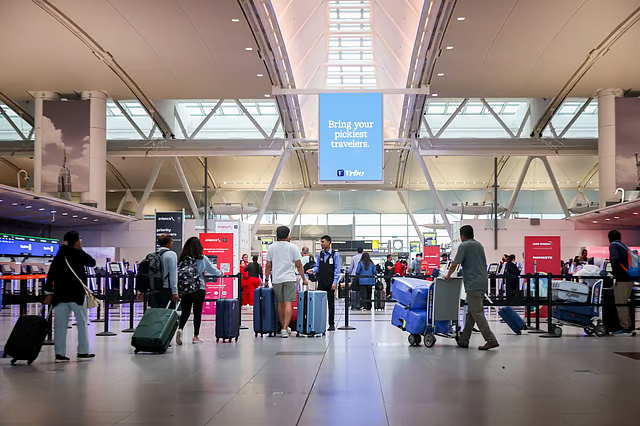
- Busy summer travel period: UAE airports are entering one of the busiest phases of the summer season. Passengers should allow extra time for check-in and security procedures.
- Check flight status: Travellers should confirm their flight status directly with their airline before leaving for the airport, as regional services remain subject to cancellations, rerouting and last-minute changes.
- Most UAE flights continue: Emirates, Etihad Airways, Air Arabia and flydubai are continuing to operate regional services, although some flights to Bahrain, Kuwait and Saudi Arabia have been cancelled or remain subject to change.
- British Airways: Flights to Dubai, Tel Aviv, Bahrain and Amman remain suspended until October 25, while services to Doha and Riyadh have been reduced.
- Philippine Airlines: Direct Manila-Dubai services remain suspended, with flights scheduled to resume on October 2.
- Air France: Riyadh flights are suspended until August 14, while Dubai and Beirut services remain suspended until August 18.
- Turkish Airlines: Flights to Dubai and Abu Dhabi have resumed, while services to Iran remain suspended.
- Air Canada: Suspensions of Dubai and Tel Aviv services have been extended, with Dubai flights not expected to resume until January 2027.
- Singapore Airlines: Dubai services remain suspended through October 24, with passengers advised to monitor flight-status updates as conditions remain fluid.
The bigger picture
The impact of the crisis is extending beyond the battlefield, with heightened risks to commercial shipping disrupting regional trade, tighter oil supplies adding pressure to energy markets and aviation remaining vulnerable to sudden security and airspace changes.
For UAE residents: Flights continue to operate, but schedules can change rapidly. Travellers should monitor airline notifications and airport updates before setting out.
UAE authorities have also advised residents against filming, photographing or sharing images of security incidents and military sites, as this could expose sensitive locations and breach local laws.
Public updates should be obtained exclusively through official channels, while residents are warned that spreading unverified information, images or footage could result in severe legal penalties.

