

Most Emirati women in the private sector work in specialist and technical roles.
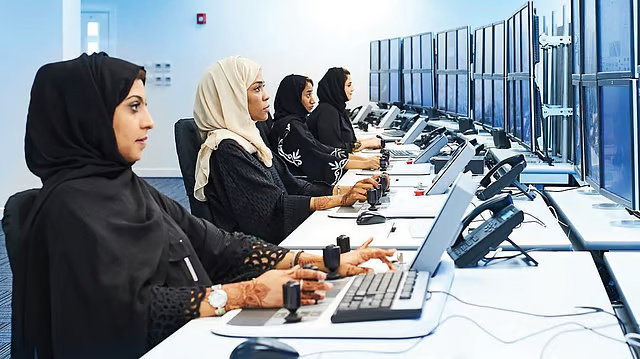
The Ministry of Human Resources and Emiratisation (MoHRE) has reported a notable increase in Emirati women’s participation in the UAE’s private sector, with the total number of Emirati men and women employed surpassing 190,000 by the end of the first half of 2026.
According to the ministry’s 2026 half-year report, the growing participation of Emirati women in the national economy and their expanding presence across various private-sector professions highlight the impact of UAE policies and initiatives focused on women’s professional empowerment and greater gender balance in the workforce.
The ministry said 69.8% of Emirati women employed in the private sector are aged 35 or under.
Education, healthcare and information technology
The data showed that Emirati women have a strong presence across several key sectors of the UAE’s private economy as of the end of June.
Emirati women accounted for 93.9% of Emiratis working in education-related professions, while they represented 91.7% of Emiratis employed in healthcare. In information technology, Emirati women made up 59.4% of all Emiratis working in the sector.
The figures also showed that 71.5% of Emirati women in the private sector hold skilled positions, including specialist, technical and other professional roles.
Meanwhile, Emirati women represented 55.1% of Emiratis in private-sector leadership positions.
Overall, 98.4% of Emirati women employed in the private sector were classified as skilled workers, highlighting their growing presence across professional and leadership roles.
The ministry said the figures reflect the expanding capabilities and achievements of Emirati women across the private sector, as well as their growing contribution to economic development and the UAE’s competitiveness.
The ministry emphasised that women’s empowerment remains a central pillar of the UAE’s Emiratisation strategy and an important part of the country’s efforts to achieve its long-term national goals.
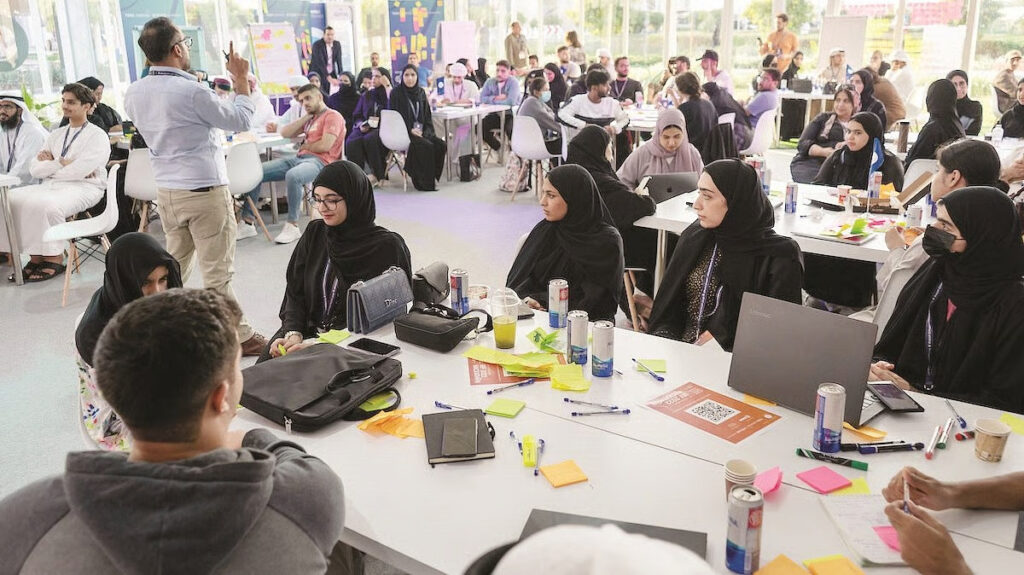
Nafis: Continued support for private-sector careers
The UAE government’s Nafis programme continues to play an important role in encouraging Emirati men and women to pursue careers in the private sector. Through financial incentives, training and ongoing professional development, the programme has helped expand career opportunities for Emirati women.
The latest figures point to continued growth in the number of Emirati women employed in the private sector, highlighting the impact of government initiatives in creating a supportive and attractive environment for national female talent.
The figures also reflect Emirati women’s growing willingness to pursue new professional opportunities that demand skills, innovation and adaptability.
More Emirati women are entering emerging fields such as the digital economy, artificial intelligence, renewable energy and creative industries. These sectors are becoming increasingly important to the national economy, with women taking on more prominent roles as contributors and leaders.
Emirati women have also made significant progress across a broad range of private-sector industries, including finance and business, technology, healthcare and education.
Their participation is supported by the UAE’s Labour Relations Law, which establishes a regulatory framework aimed at protecting women’s rights and promoting equal opportunities in the workplace. The law also supports working mothers through maternity leave provisions, flexible working arrangements and workplace childcare facilities, helping them balance career and family responsibilities.
Empowering Emirati women
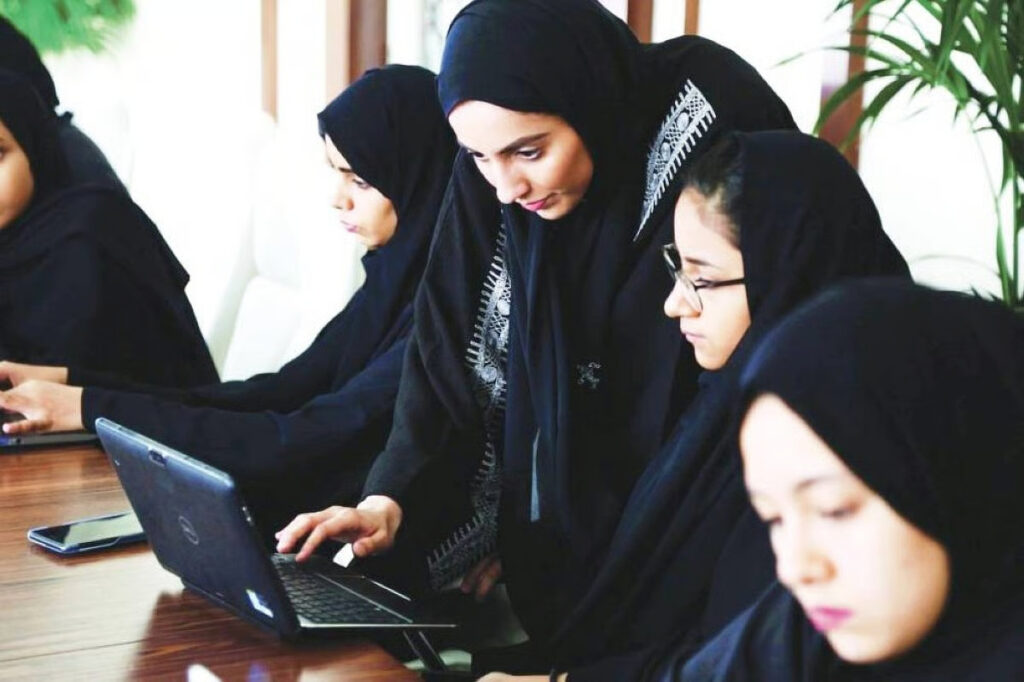
The growing presence of Emirati women in the private sector reflects the UAE leadership’s focus on developing national talent and ensuring that both men and women play an active role in the country’s future growth.
An increasing number of Emirati women have joined the private-sector workforce and benefited from the programmes, incentives and initiatives offered through Nafis. They are taking on a wide range of roles across different industries, including fields that were traditionally dominated by men.
More young Emirati women are also entering the workforce and building careers in the private sector, which is becoming an increasingly attractive option for national talent, with Nafis providing significant support.
They are beginning their careers in this dynamic sector while contributing to the UAE’s sustainable development goals and supporting the country’s ambitions to rank among the world’s leading sustainable economies.
In the UAE, achievement is encouraged regardless of gender, with women given opportunities to demonstrate their skills and capabilities. This approach has delivered tangible results, with Emirati women gaining increasing recognition both nationally and internationally.
Their achievements have been supported by UAE leadership through policies focused on women’s empowerment, professional development and removing barriers to career progression.
The UAE continues to promote gender balance and expand opportunities for women across sectors, while strengthening the workplace environment and ensuring equal opportunities. These efforts are also aimed at enhancing women’s role as key partners in shaping the country’s future.
UAE legislation prohibits gender discrimination in the workplace and promotes greater participation of women in the labour market.
Equal pay for women and men performing the same work or work of equal value is a key part of the UAE’s commitment to human rights and gender balance. The country has made significant progress in advancing pay equality in recent years.
Labour law protects Emirati women in the private sector
Alongside provisions for equal pay, the UAE Labour Relations Law has removed previous restrictions on women working night shifts and in demanding industries, including mining, construction, manufacturing, energy, agriculture and transport. This ensures women have the right to pursue careers across these sectors.
The law also protects pregnant employees by prohibiting employers from terminating a woman’s employment or issuing her with a warning because of her pregnancy.
Furthermore, the Labour Relations Law prohibits discrimination in recruitment and promotion and bars gender-based discrimination in roles involving the same duties and responsibilities.
Gender equality
Under the UAE Labour Relations Law, women are entitled to equal pay with men when performing the same work.
The law protects women’s workplace rights and promotes equal employment opportunities, supporting the UAE’s efforts to strengthen gender balance and competitiveness across different sectors.
As part of broader efforts to advance women’s economic empowerment and increase participation in the labour market, the law prohibits discrimination in employment on various grounds, including gender, race, colour, national origin and social origin.
The UAE has also introduced the UAE Gender Balance Strategy 2022–2026, guided by a forward-looking vision to position the country as a global leader and model in gender balance.

