

From Hessa Street to Oud Metha, key RTA projects are transforming daily commutes.
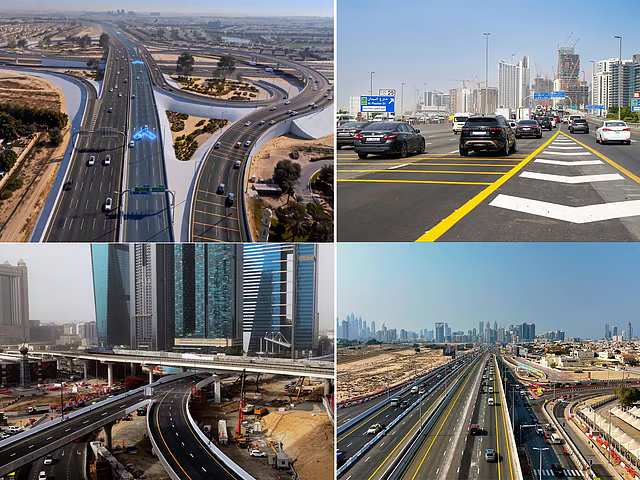
Dubai: Dubai has seen a steady stream of road upgrades this year, with several projects now open and helping motorists cut travel times.
Five projects with published before-and-after travel figures have collectively reduced journey times by around 37 minutes across five routes. They are ranked below according to the amount of time saved.
1. Hessa Street
Completed: April 19, 2026
Travel time: Reduced from 15 minutes to just four minutes
Time saved: 11 minutes
Capacity: Doubled from 8,000 to 16,000 vehicles per hour in both directions
The biggest travel-time saving delivered so far this year — and one of the most eagerly anticipated projects.
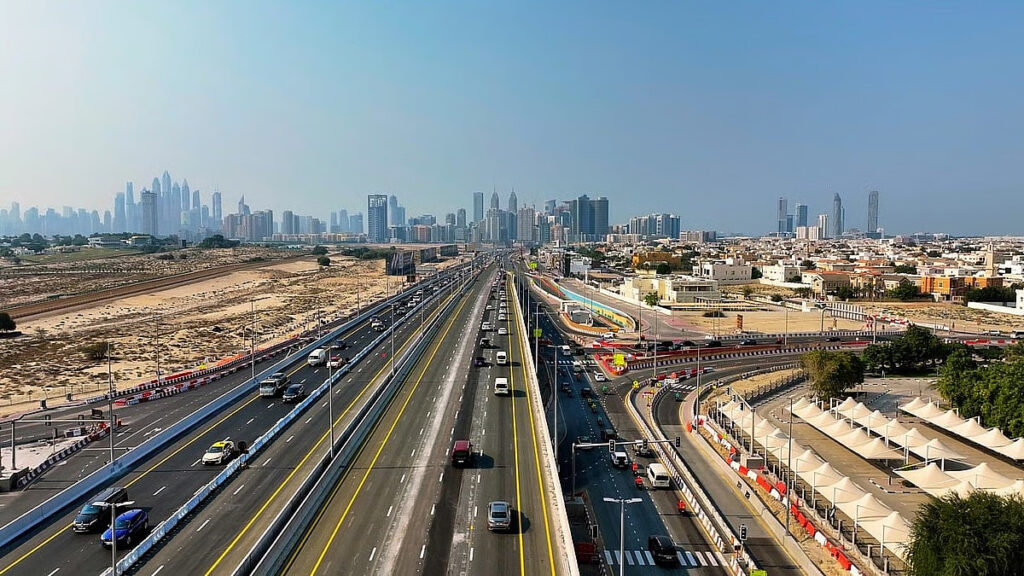
The project covered a 4.5-kilometre stretch between Sheikh Zayed Road and Al Khail Road, widening the road and bridges at four intersections to four lanes in each direction. The upgraded intersections connect with Sheikh Zayed Road, Al Asayel Street, First Al Khail Street and Al Khail Road.
The result: 11 minutes shaved off a single journey, while road capacity has doubled.
Phase two is already under way, covering another three kilometres from Al Khail Road to Sheikh Mohammed bin Zayed Road. Once completed, the RTA expects travel time along the extended corridor to drop from 24 minutes to five minutes, while creating a direct connection between the two major roads.
2. Dubai Harbour Bridge
Opened: In phases from June; completed in July 2026
Travel time: Reduced from 12 minutes to three minutes
Time saved: 9 minutes
What it is: A 1,500-metre bridge with two lanes in each direction and a capacity of 6,000 vehicles per hour
The bridge connects Interchange 5 on Sheikh Zayed Road, near the American University in Dubai, with the intersection of Al Naseem Street and Al Falak Street. It then crosses King Salman bin Abdulaziz Al Saud Street before linking directly to Dubai Harbour Street.
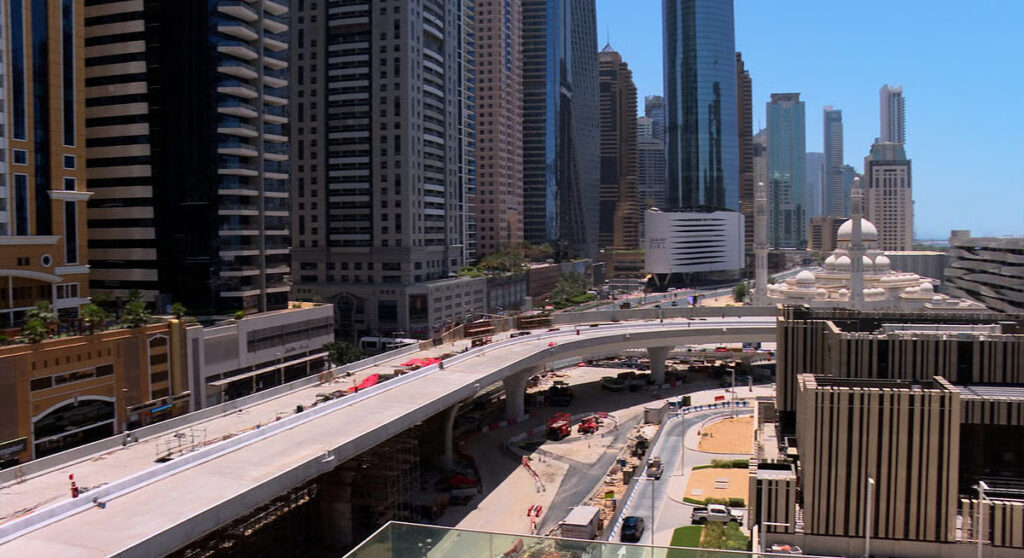
Traffic travelling from Sheikh Zayed Road to Dubai Harbour, from both the Deira and Jebel Ali directions, began using the bridge in June. The remaining traffic movements, including routes from Dubai Harbour towards Al Naseem Street and the connection to the King Salman junction, opened in July when the project was completed.
Dubai Harbour is located between Palm Jumeirah and Bluewaters and is home to the region’s largest yacht marina. The area is also undergoing a 1.5-kilometre expansion, which will add 24 residential towers and around 7,500 apartments.
The wider project also includes upgrades at four intersections along the corridor.
3. Commercial Centre Roundabout
Opened: May 9, 2026
Travel time: Reduced from eight minutes to two minutes
Time saved: 6 minutes
What it is: A 500-metre bridge
The project handles outbound traffic from Al Bada’a towards 2nd of December Street, with direct connections to Sheikh Rashid Street and Al Wasl Street.
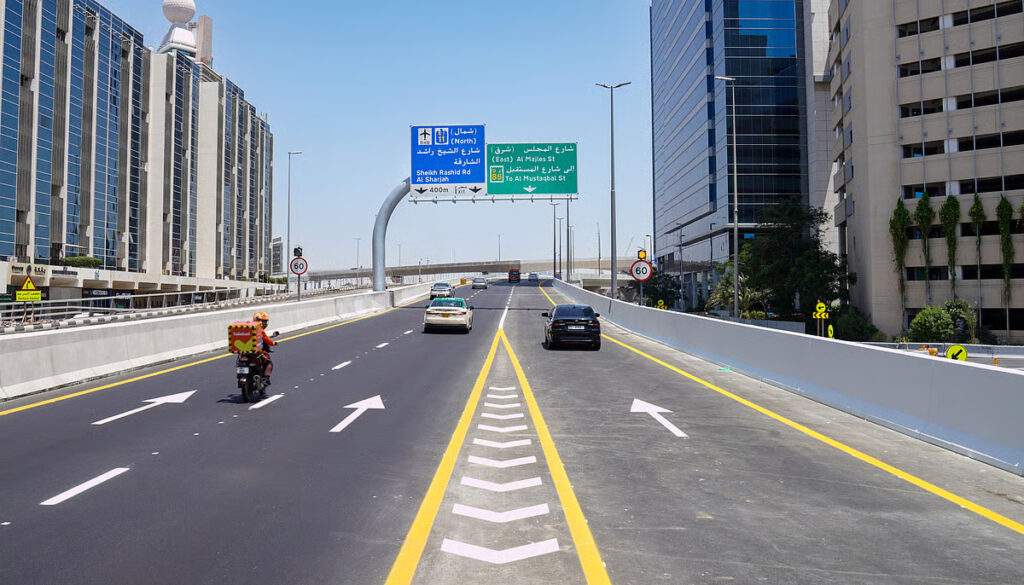
According to the RTA, the upgrade improves access to Sheikh Zayed Road and helps distribute traffic more efficiently across the surrounding network. While smaller than some of the other projects, it is expected to provide significant relief for motorists during peak-hour congestion.
4. Al Qudra Street and Sheikh Zayed bin Hamdan Al Nahyan Street
Opened: August 9, 2026
What it is: A 700-metre, four-lane bridge with a capacity of 6,000 vehicles per hour
Time saved: Waiting time is expected to fall by 85 per cent upon full completion, from nearly seven minutes to around one minute
One of two major structures opened by the RTA over the same weekend.
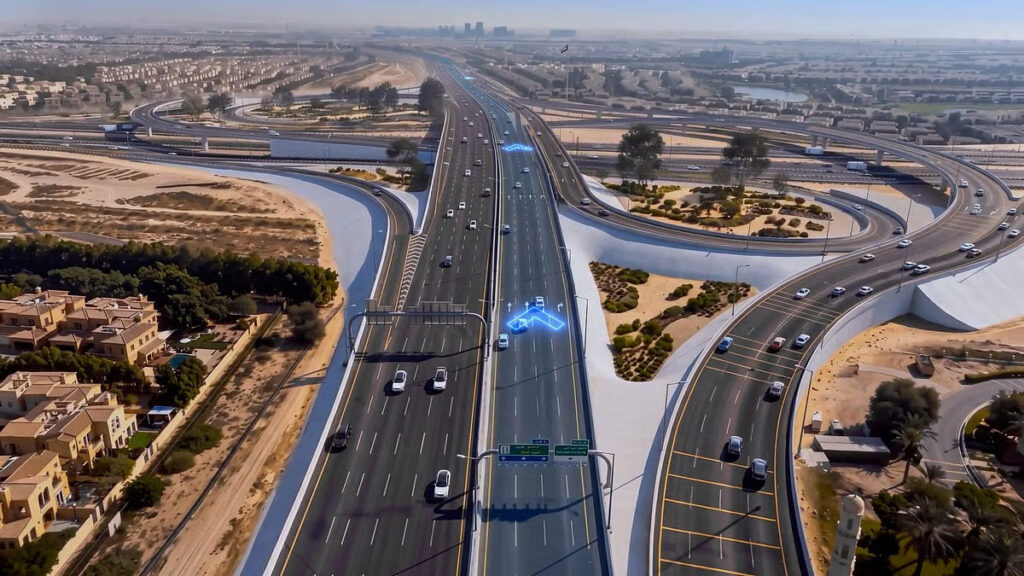
The bridge is located on the southern side of the intersection and carries traffic along Al Qudra Road towards Al Qudra City. It completes the main traffic configuration following the opening of the opposite bridge in February.
The projected 85 per cent reduction in waiting time applies to the intersection as a whole once the entire project is completed, rather than to this bridge alone.
Additional ramp bridges are scheduled for the fourth quarter, including a 500-metre structure carrying traffic towards Jebel Ali and a 900-metre bridge serving routes to Downtown Dubai and Dubai International Airport. The project also includes around three kilometres of service roads.
Once fully completed, the intersection’s capacity is expected to increase from 7,800 to 19,400 vehicles per hour.
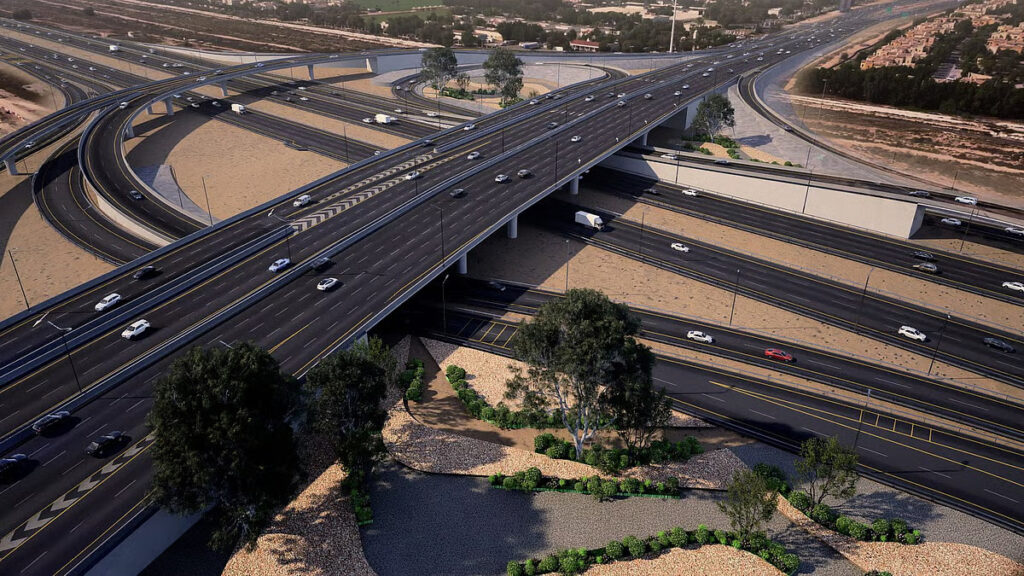
The wider Al Qudra Road Development Project stretches from Sheikh Mohammed bin Zayed Road to Emirates Road. It includes around 4,000 metres of bridges and an 11.6-kilometre upgrade of the road itself.
Once completed, the RTA expects travel times along the corridor to drop by 70 per cent, from 9.4 minutes to 2.8 minutes. The project serves communities including Arabian Ranches 1 and 2, Dubai Motor City, Dubai Studio City, DAMAC Hills, Mudon and The Sustainable City — an area with more than 400,000 residents and visitors.
5. World Trade Centre Roundabout – Third Bridge
Opened: June 2026
Travel time: Reduced from six minutes to one minute
Time saved: 5 minutes
What it is: A one-kilometre bridge with two lanes and a capacity of 3,000 vehicles per hour
The bridge channels traffic from Sheikh Zayed Road towards Sheikh Khalifa bin Zayed Street, improving access to Al Karama and Deira.
Mattar Al Tayer described the project as one of Dubai’s most strategically significant intersection upgrades to date.
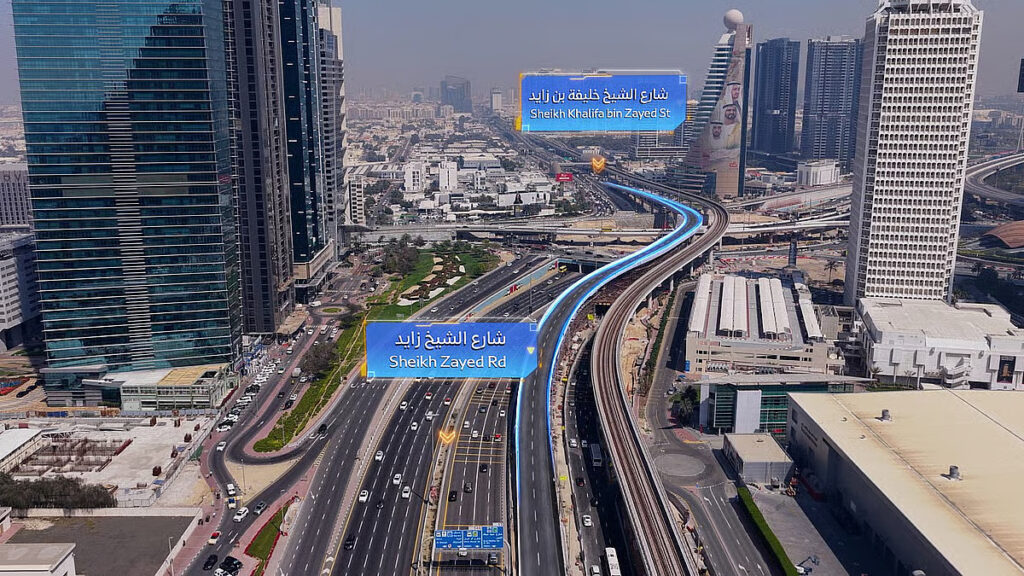
The roundabout is located at the convergence of five major roads: Sheikh Khalifa bin Zayed Street, Sheikh Rashid Street, 2nd December Street, Zabeel Palace Street and Al Majlis Street.
This was the third of five bridges planned for the intersection. The first two opened in February, carrying traffic from 2nd December Street towards Sheikh Rashid Street and Al Majlis Street.
The remaining two bridges are expected to open in October. Once the full project is completed, the roundabout will be removed and replaced by a signal-controlled intersection.
The bigger reduction is still to come. Once the full project is completed, the RTA expects delays through the area to drop from 12 minutes to around 90 seconds. Construction is now more than 60 per cent complete and is progressing ahead of schedule.
6. Oud Metha Road and Al Asayel Street
Bridge opened: July 26, 2026
Tunnel opened: August 8, 2026
Expected travel time on completion: Reduced from 20 minutes to five minutes
Time saved: 15 minutes, representing a 75 per cent reduction
This project is set to take the top spot on the list.
It is expected to cut 15 minutes from a single journey once fully completed — more than the saving delivered by Hessa Street. However, the full benefit will not be realised until the project is finished, with the RTA expecting completion by the end of August.
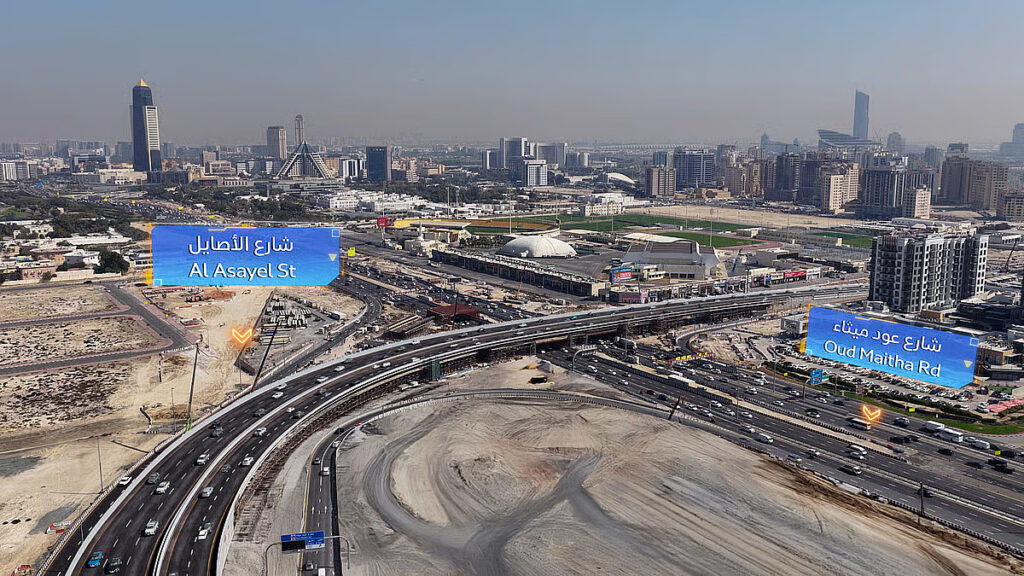
The three-lane bridge opened first, carrying up to 3,600 vehicles per hour from Al Khail Road to Al Asayel Street via Al Wasl Club Street. It bypasses one of the busiest intersections along the corridor.
The 260-metre tunnel opened two weeks later, on the same weekend as the Al Qudra bridge. With one lane and a capacity of up to 1,200 vehicles per hour, it connects Dubai-Al Ain Road with Oud Metha Service Road.
While the bridge provides a broader alternative route, the tunnel has a more targeted role. The RTA says it is designed to reduce traffic overlap and weaving where the two roads meet, easing a bottleneck that can cause significant delays despite its relatively small size.
One more tunnel and a left-turn bridge are still to be completed, with both scheduled to open this month. The overall project is around 90 per cent complete and covers four major intersections, 4.3 kilometres of bridges and tunnels, and 14 kilometres of road upgrades.
Once completed, the project will increase Oud Metha Street’s capacity by 50 per cent, from 10,400 to 15,600 vehicles per hour in both directions.
The development forms part of the wider Sheikh Rashid Corridor Development Project, serving areas including Zabeel, Al Jaddaf, Oud Metha and Umm Hurair, as well as Latifa Hospital and Al Wasl Club. The area is expected to have more than 420,000 residents by 2030.
7. Ras Al Khor Road and Al Khail Road
Completed: July 28, 2026
Travel time: Reduced by up to three minutes
Traffic flow: Improved by 20 per cent
The project is part of a package of what the RTA describes as rapid traffic solutions on two of Dubai’s busiest roads, targeting existing bottlenecks rather than constructing major new infrastructure.
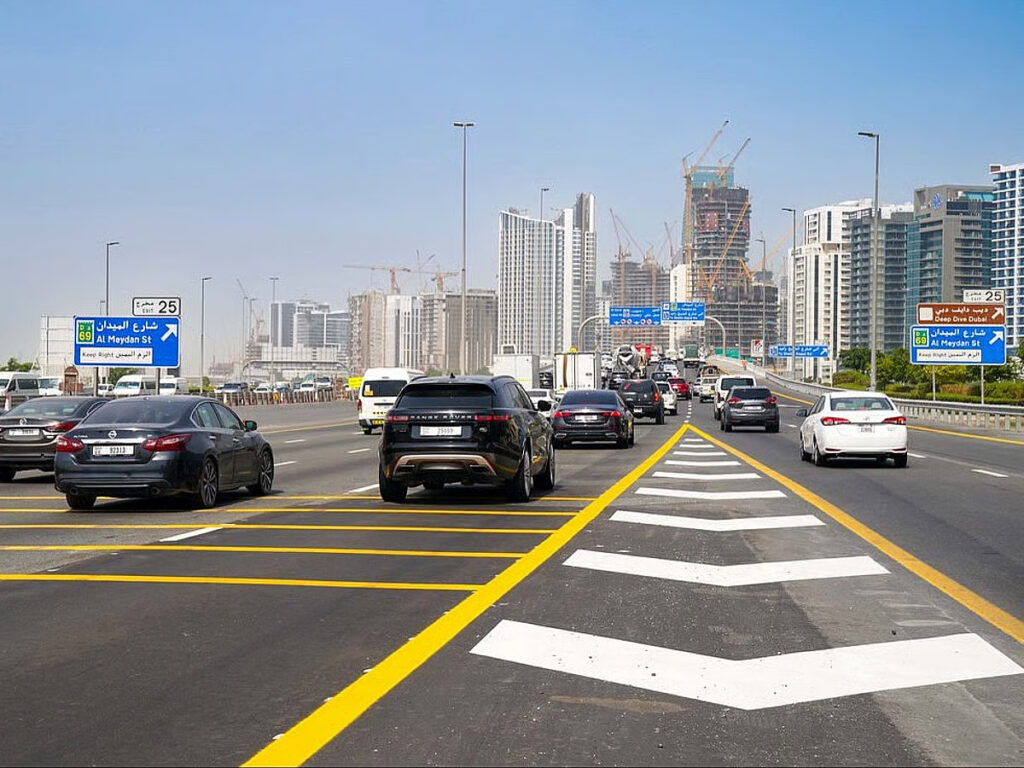
A new lane has been added on Ras Al Khor Road towards Al Khail Road, running from the Financial Centre Road junction to the southbound carriageway of Al Khail Road. The exit from Financial Centre Road towards Meydan has also been upgraded, along with the entry from Ras Al Khor Road.
Separately, a new lane on Al Khail Road in the Abu Dhabi direction has increased the road’s capacity by 33 per cent and reduced peak travel times by 20 per cent.
8. Latifa bint Hamdan Street
Announced: August 4, 2026
Congestion reduction: Up to 30 per cent during peak periods
Capacity: Service-road capacity increased from 600 to 1,000 vehicles per hour
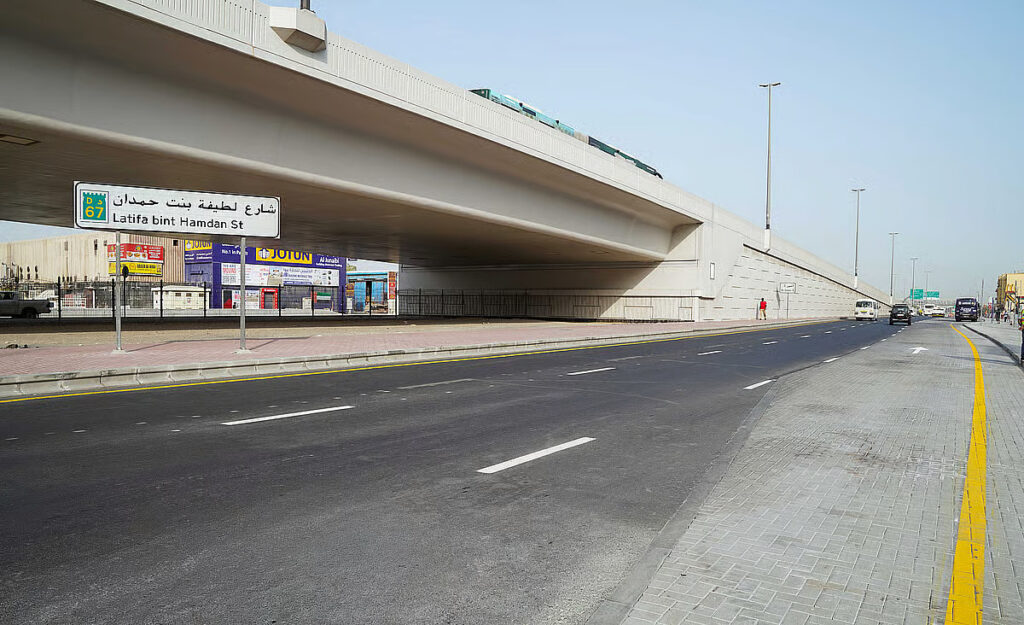
The RTA added a single new lane across two sections of the street’s service road, covering a combined distance of one kilometre. The first section runs from the Al Asayel Street intersection to Street 44, while the second stretches from the National Cement Factory to the First Al Khail Street exit. Two new U-turns were also constructed beneath the Latifa bint Hamdan and Al Asayel Street intersection.
The result: one additional lane and two new U-turns have increased service-road capacity by around two-thirds, while reducing peak-hour queues by up to 30 per cent.
What is still coming
The second Oud Metha tunnel and a left-turn bridge are both scheduled to open this month. Two more bridges at the World Trade Centre Roundabout are due in October, while Al Qudra’s side ramps are expected in the fourth quarter. Phase two of the Hessa Street project is also under way.
Beyond these projects, the Al Shindagha Corridor Improvement Project is expected to deliver a much larger reduction in journey times. By 2030, the RTA expects travel times along its 13-kilometre route to fall from 104 minutes to 16 minutes. Its Al Khaleej Street Tunnel was more than 80 per cent complete in May.
Further ahead is the Dh2 billion Latifa bint Hamdan Corridor, a 12-kilometre route connecting six major roads: Sheikh Zayed Road, Al Khail Road, Al Meydan Street, Sheikh Mohammed bin Zayed Road, Sheikh Zayed bin Hamdan Al Nahyan Street and Emirates Road.
The project is expected to deliver the largest travel-time reduction among the schemes outlined. The journey between Umm Al Sheif Street and Emirates Road is projected to fall by 54 per cent, from 33 minutes to 15 minutes.
The corridor will include seven bridges spanning 2.3 kilometres, eight tunnels covering 900 metres and 12.5 kilometres of cycling tracks between Al Qudra and Jumeirah. It is also expected to increase the capacity of Dubai’s east-west road network by 12 per cent.
Due for completion by the end of 2028, the project is expected to serve more than 650,000 residents and visitors and accommodate over 130,000 vehicle trips a day.

