

Hormuz deal hangs in the balance as oil rises and tanker attack deepens security concerns.
Hopes of a deal to ease the crisis around the Strait of Hormuz were fading on Monday, August 10, 2026, as Iran continued to demand major concessions from Washington. Reports of attacks on commercial shipping and fresh regional security measures further highlighted the risks facing the Gulf.
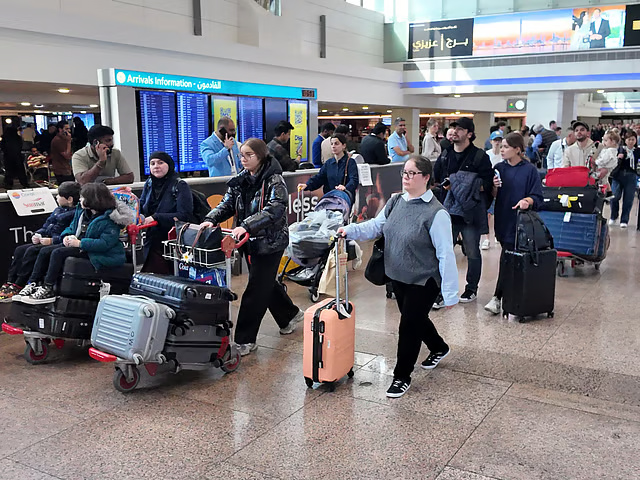
UAE travellers also continued to face flight disruptions, with some routes cancelled or delayed and several international airlines maintaining suspensions across the Gulf amid ongoing regional security concerns.
While some regional airlines are gradually restoring services to selected destinations, passengers should still expect longer flight times, last-minute schedule changes and potential disruptions as carriers continue to avoid parts of the region’s airspace.
Hormuz uncertainty
Oil prices rose early Monday, August 10, as markets weighed uncertainty over when—or whether—the strategic waterway will fully reopen.
Iran has indicated that an agreement with Oman on new shipping lanes is close, but Tehran says a broader deal with the United States is necessary before the Strait of Hormuz can return to normal operations.
For UAE residents, the crisis is being felt most immediately through air travel, shipping, fuel prices and heightened regional security concerns.
Key points UAE residents need to know
- Oil prices are rising again. Brent crude climbed on Monday as renewed uncertainty over the reopening of the Strait of Hormuz returned to the market. Reuters reported Brent at about $84.46 a barrel, up 91 cents, while US crude rose 61 cents.
- Hormuz remains the biggest concern. The strait is a crucial energy corridor, and Iran’s position is that reopening it requires more than the emerging Iran-Oman shipping arrangement. Tehran has demanded broader concessions from Washington, including compensation and changes related to the conflict.
- Commercial shipping remains at risk. Reports on Monday said an oil tanker in the Strait of Hormuz came under missile fire near Oman. Gulf News said the reports had not been independently verified, so the incident should be treated cautiously until further confirmation.
- UAE-linked shipping has already been affected. One report said 15 vessels linked to ADNOC had been attacked while transiting Hormuz since the conflict began, highlighting the continuing risks facing Gulf shipping.
- Flight disruption is likely to continue. UAE travellers should check their flight status directly with their airline before heading to the airport. Emirates, Etihad, flydubai and Air Arabia services continue to face cancellations and delays amid regional security concerns.
- Regional security alliances are shifting. Saudi Arabia, Turkey and Pakistan signed a mutual-defence agreement on August 7. Pakistan’s foreign minister has stressed that the pact is defensive and not directed against any particular country.
- The crisis is spreading beyond Hormuz. Iran-aligned Houthi forces claimed an attack on a Saudi oil facility in Jazan over the weekend, adding another layer of risk to regional energy infrastructure.
Why Hormuz matters to the UAE
The Strait of Hormuz connects the Persian Gulf with the Gulf of Oman and the wider Indian Ocean. Any prolonged disruption could affect not only oil exports but also shipping, insurance costs, freight rates and supply chains across the Gulf.
The UAE is particularly exposed because Dubai and Abu Dhabi are major aviation and logistics hubs, while the country’s economy remains closely connected to regional energy and maritime trade.
The shipping crisis is also affecting crews directly. Thousands of seafarers remain stranded in the Gulf as vessels avoid the Strait of Hormuz, with maritime traffic reportedly running at only a fraction of normal levels.
What happens next?
The immediate question is whether Oman can broker an arrangement that separates the reopening of the Strait of Hormuz from the much broader US-Iran conflict.
That remains uncertain. Iran has indicated that a shipping arrangement with Oman is close, but has also made clear that reopening the waterway will depend on additional conditions being met. This has left markets caught between optimism over a possible deal and renewed concerns that negotiations could break down.
For UAE residents, the practical message is straightforward:
Do not assume that a reported agreement on Hormuz means normal travel and shipping will resume immediately. Flight schedules can change at short notice, while maritime traffic will depend on whether insurers, shipping companies and governments consider the route safe enough to use.
The Strait of Hormuz is not yet back to normal, and the uncertainty continues to affect the wider Gulf. Oil prices are rising again, shipping risks remain elevated, airlines are adjusting schedules and diplomatic efforts to resolve the Hormuz crisis remain unsettled.
For UAE residents, the key developments to monitor today are flight cancellations, official security advisories, fuel prices and the latest developments in the strategic waterway between neighbouring Oman and Iran.

