

Wynn’s hiring drive boosts demand for hospitality talent in Ras Al Khaimah as tourism sector expands.
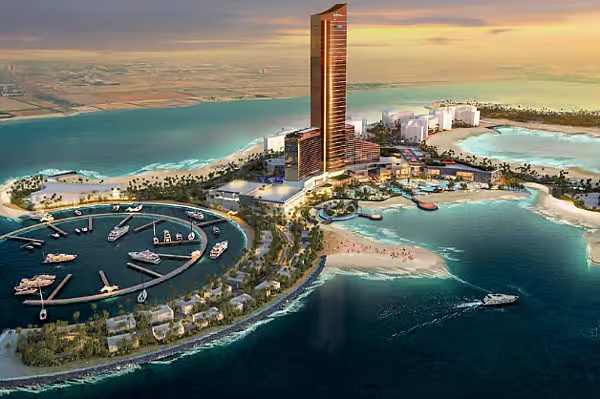
Ras Al Khaimah’s hospitality sector is seeing growing demand for talent as Wynn Al Marjan Island ramps up recruitment. The resort currently has 109 positions listed on its careers website across hospitality, food and beverage, gaming, facilities and theatre operations.
Wynn Al Marjan Island added a net 57 employees during the second quarter of 2026, taking its total workforce to 425, according to Wynn Resorts’ latest earnings presentation.
The team largely consists of senior executives, senior managers and employees in general and administrative roles, with key division heads and senior leaders now in place across both gaming and non-gaming operations.
Recruitment specialists say Wynn’s hiring drive is already having an impact on Ras Al Khaimah’s wider job market, with employers likely to face stronger competition for experienced hospitality professionals as the emirate’s tourism sector continues to expand.
Nicki Wilson, managing director at Genie Recruitment, said Wynn’s arrival was changing how candidates viewed career opportunities in Ras Al Khaimah.
“We’re now finding that some candidates mention they’re open to Ras Al Khaimah before we even ask,” she said, adding that the response indicated perceptions of the emirate were already shifting as anticipation around Wynn grows.
Wilson said Ras Al Khaimah’s lower cost of living compared with Dubai, coupled with the arrival of a globally recognised luxury brand, could make the emirate increasingly attractive to hospitality professionals seeking both career progression and a better quality of life.

She also expects Wynn to attract candidates from across the UAE and overseas, with professionals who previously focused mainly on Dubai and Abu Dhabi becoming increasingly open to opportunities in other emirates.
The strongest demand in the hospitality market is currently for operational leadership and specialist roles, including restaurant managers, hotel operations professionals, chefs and customer-facing staff, Wilson said.
There is particularly strong demand for chefs with expertise in specific cuisines, as well as professionals with experience in fine dining and luxury hospitality.
Beyond technical qualifications, employers are increasingly looking for leadership skills, adaptability, emotional intelligence, the ability to train teams and a strong focus on delivering high-quality guest experiences, she said.
Mahesh Shahdadpuri, group chairman of TASC Outsourcing, said Wynn’s recruitment plans were creating a “ripple effect” across Ras Al Khaimah’s hospitality market.
A project of this scale could drive demand not only for hotel staff but also for workers across food and beverage, retail, facilities management, transportation and other support services, he said.
“As businesses prepare for increased visitor numbers and continued tourism growth, many are strengthening their own teams to remain competitive,” Shahdadpuri said.

He identified hotel operations, food and beverage, housekeeping, engineering, finance, and sales and marketing as areas where demand remains particularly strong.
However, the recruitment market is not expected to be limited to experienced hospitality professionals.
Shahdadpuri said the sector is also creating opportunities for graduates and professionals moving into hospitality from industries such as aviation, retail, customer service and luxury services, where skills such as communication and customer experience can be transferred.
Aws Ismail, director at Marc Ellis Consulting & Training, said the next phase of Wynn’s recruitment would be particularly significant, as much of the senior leadership hiring appears to have already been completed.
Wynn ended 2025 with 251 employees, according to its annual report, meaning the company has added 174 employees so far in 2026.
“They finished last year with 251 people, and that was mostly senior management and back office, so the leadership piece is basically done,” Ismail said. “The next 2,750 are operational.”
He said the scale of the remaining recruitment means the resort is likely to draw talent from hotels already operating in Ras Al Khaimah, as only a portion of the workforce could realistically be recruited from overseas.

Among the roles expected to remain in demand are food and beverage management, front office, revenue management and engineering, he said.
Gaming, however, presents a different recruitment challenge.
“There’s never been a licensed casino in the UAE, so there’s simply no one here who’s done that in the country,” Ismail said, adding that Wynn would therefore need to recruit internationally for some gaming positions.
At the same time, the expansion could create opportunities for graduates and career changers, particularly in areas where employees can be trained from the ground up.
“Gaming especially, because nobody here has worked a floor before, so they’ll have to train people regardless of background if they choose to hire locally,” he said.
The surge in recruitment could also put pressure on salaries and benefits as hotels compete to retain existing staff.
Ismail expects pay to become more competitive, particularly in the middle of the market, although he said the impact could be more evident in accommodation and family benefits than in basic salaries.
Wilson similarly expects competition for hospitality talent to intensify over the next 12 to 18 months, particularly for management and specialist luxury hospitality roles.
As demand increases, she said employers could respond with more competitive salaries and benefits while placing greater emphasis on onboarding, leadership development and employee engagement to retain staff as they expand.
For Shahdadpuri, the broader challenge will be building a sustainable talent pipeline as more tourism and lifestyle projects come online.
Employers are likely to compete not only through compensation but also through career progression, training, workplace culture and employee wellbeing, he said.
With Wynn targeting a workforce of 3,000 employees by the end of 2026, the resort’s recruitment drive is likely to remain a major force in Ras Al Khaimah’s hospitality labour market as the emirate prepares for its next phase of tourism growth.

