

Energy, aviation and trade concerns rise as US-Iran tensions enter new phase.
The US-Iran standoff entered another uncertain phase on Tuesday, August 4, after President Donald Trump warned Tehran that it faces a final opportunity to reach an agreement, while a new maritime incident near Oman highlighted the continuing risks to shipping through the Strait of Hormuz.
The developments are being closely watched in the UAE, given the country’s proximity to the strategic waterway and its role as a major regional hub for aviation, logistics and energy trade.
‘Last chance’ warning for Iran
US President Donald Trump said on Monday that Iran faces a final opportunity to reach an agreement before Washington considers further escalation, including possible strikes targeting Iran’s leadership.
He has also called for the reopening of the Strait of Hormuz before addressing wider issues, including Iran’s nuclear programme.
Diplomatic uncertainty continues
Despite the warnings and statements from both sides, the diplomatic situation remains unclear.
Washington has said negotiations remain possible, while Tehran has challenged the US description of the discussions. Iran has said its talks with Oman are focused on maritime safety issues rather than a broader political agreement.
Cargo ship incident near Oman
The latest maritime concern emerged after a cargo vessel was reportedly hit by an unknown projectile around 20 nautical miles northeast of Khasab, Oman, near the eastern entrance of the Strait of Hormuz.
The United Kingdom Maritime Trade Operations (UKMTO) said the vessel reported being struck while travelling through the area. The cause of the incident and the source of the projectile were not immediately confirmed.
The location is significant for UAE residents because Khasab, on Oman’s Musandam Peninsula, sits close to the Strait of Hormuz and UAE waters.
The incident highlights that while diplomatic efforts continue between Washington and Tehran, commercial shipping in one of the world’s most important energy corridors remains vulnerable to security risks.
What about UAE flights?
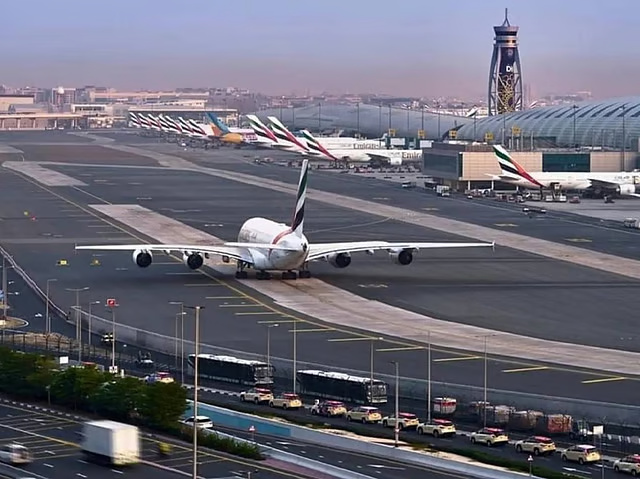
Air travel across the UAE remains largely operational despite ongoing geopolitical tensions in the Middle East, with major airports and airlines continuing to operate most services.
However, passengers should remain prepared for flight cancellations, delays, route changes and last-minute schedule adjustments, particularly for destinations affected by regional airspace restrictions or security concerns.
Travellers are advised to check directly with their airline and airport before leaving for the airport, as schedules can change with little notice.
For UAE passengers, the practical rule remains: check, confirm and stay updated before every journey.
- Check your airline and airport status before leaving for the airport.
- Do not rely only on an earlier booking confirmation or a saved flight-status screenshot, as schedules can change quickly when airlines adjust operations in response to airspace restrictions and evolving security assessments.
Why Hormuz matters so much
The Strait of Hormuz is a critical maritime passage connecting the Gulf with the wider Indian Ocean and global shipping routes.
Any prolonged confrontation in the area could create three simultaneous pressures:
- Energy shock: Any disruption to the flow of oil and gas exports could affect global energy markets and prices.
- Shipping shock: Commercial vessels may avoid the area or face higher war-risk insurance premiums and increased freight costs.
- Aviation shock: Airlines may need to reroute flights around restricted or higher-risk airspace, leading to longer journeys and higher operating costs.
The latest cargo ship incident highlights why ensuring safe passage through the waterway has become a key focus of ongoing diplomatic efforts.
Bottom line for UAE residents
The latest developments do not indicate any need for UAE residents to panic or change their daily routines. However, the situation remains fluid, and several key developments will be closely watched.
The three main points to monitor are:
- Whether Trump and Iran move towards meaningful talks or further escalation
- Whether commercial shipping through the Strait of Hormuz returns to normal
- Whether airlines make further changes to UAE flight schedules
For now, the key takeaway is that while diplomacy may have gained another opportunity, security risks linked to military tensions, shipping disruptions and aviation changes across the Gulf remain unresolved.
The cargo vessel incident near Oman serves as a reminder that while diplomatic discussions continue, the real-world security risks linked to the conflict remain present.

