

Jewellery demand declined 17% during the quarter, while central bank gold purchases surged 62%.
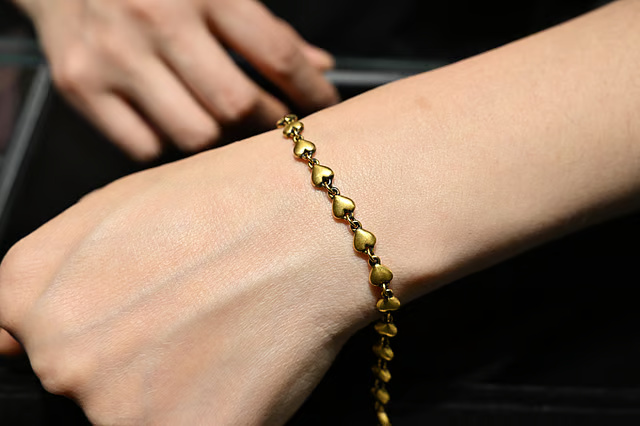
Dubai: Gold jewellery demand declined 17% year on year in the second quarter of 2026 as elevated prices led consumers to reduce purchases and opt for lighter pieces, according to the World Gold Council.
The decline weighed on first-half jewellery volumes, although the value of demand increased 22% to $86 billion as higher gold prices offset the drop in the quantity of gold purchased.
Global gold demand remained unchanged year on year at 1,269 tonnes in the quarter, following a slowdown in price momentum after gold reached record levels earlier in 2026.
First-half gold demand increased 2% year on year to an estimated 2,522 tonnes, with the total value reaching $380 billion.
Investment demand loses momentum
Combined investment demand for gold ETFs, bars and coins fell to 262 tonnes in the second quarter as lower prices slowed the momentum seen earlier in the year.
Gold-backed ETFs recorded outflows of 45 tonnes during the quarter, although demand for ETFs remained positive in the first half, with net inflows of 18 tonnes.
Bar and coin investment declined 3% year on year in the second quarter, although demand for the first half of the year remained 21% higher than the same period in 2025, supported by a strong first-quarter performance.
Over-the-counter gold demand reached 327 tonnes during the quarter, supported by investment activity in Asia, bringing first-half OTC demand to 571 tonnes.
“Gold’s early-year rally reversed in the second quarter, with prices consolidating after retreating from record highs. However, the market remained well supported, highlighting gold’s established role as a portfolio diversifier and store of value,” said Louise Street, Senior Markets Analyst at the World Gold Council.
“Although gold ETF flows slowed alongside price movements, continued central bank purchases and stronger OTC investment helped push total gold demand 2% higher in the first half of the year.”
Central bank purchases rise
Central banks and other official institutions added a net 289 tonnes of gold to their reserves in the second quarter, marking a 62% increase compared with the same period last year.
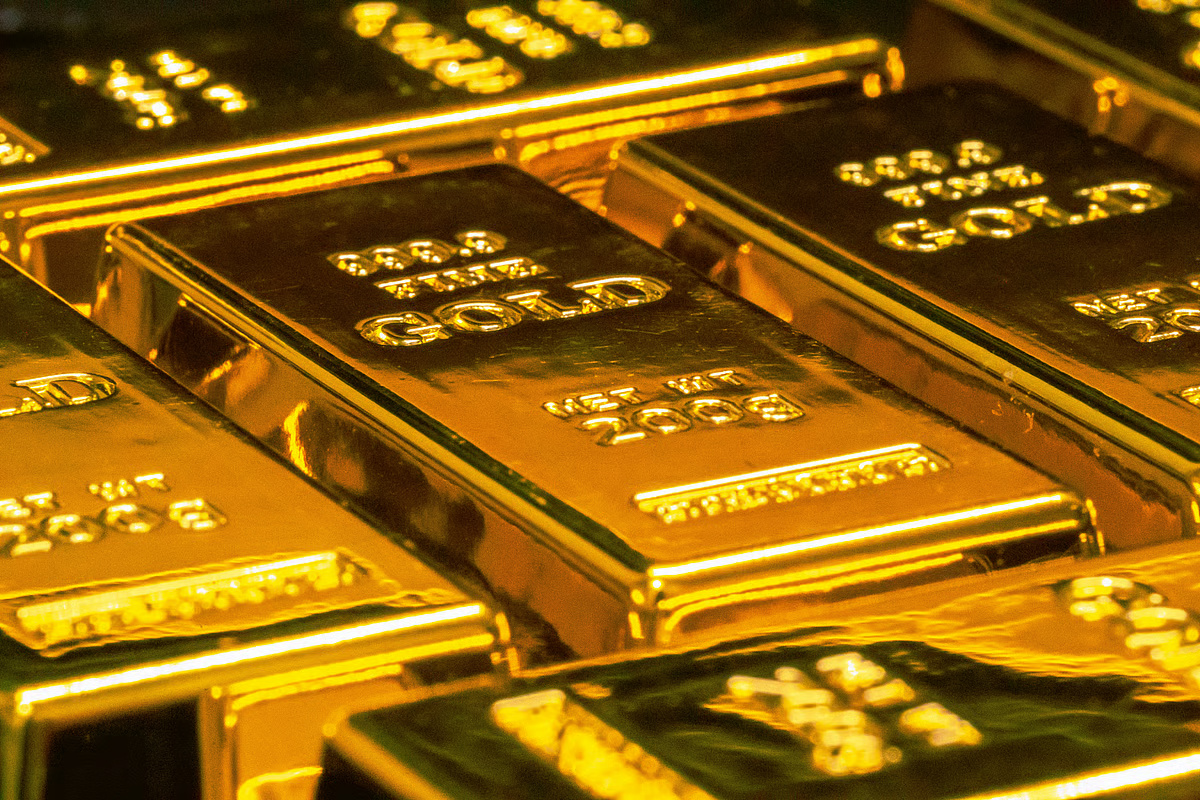
Purchases strengthened across several markets, although first-half demand remained below the elevated levels seen in recent years after softer activity in the first quarter.
“Investment is expected to remain the main driver of growth in the second half of 2026, although the composition of demand may shift. OTC activity and demand from Asian investors are likely to take on a greater role, while Western gold ETF flows may be more influenced by real yields, expectations around US monetary policy and movements in the dollar,” said Louise Street, Senior Markets Analyst at the World Gold Council.
The World Gold Council’s Central Bank Gold Reserves Survey found that 45% of respondents plan to increase their gold holdings over the next 12 months.
Mine production offsets lower recycling
Total gold supply remained unchanged year on year at 1,269 tonnes in the second quarter, as higher mine production balanced out a decline in recycled gold supply.
Mine production increased by an estimated 2% to 966 tonnes, supported by new output from Canada and Chile.
Recycled gold supply fell 6% compared with the same period last year despite elevated prices, as consumers continued to hold on to their existing gold rather than sell it back into the market.
Investment expected to drive demand
The World Gold Council expects investment to remain the key driver of gold demand growth in the second half of 2026, although the composition of demand is likely to shift.
OTC activity and investment from Asian markets are expected to play a greater role, while Western ETF demand may be increasingly influenced by real yields, US monetary policy expectations and movements in the dollar.
“Central banks will remain important buyers, although likely at a slightly slower pace than the levels seen over the past four years. Elevated prices will continue to weigh on jewellery demand, but consumers may prefer to hold their gold rather than sell, with recycling showing limited signs of growth,” said Street.

