

Extreme heat speeds up wear and tear on your vehicle.
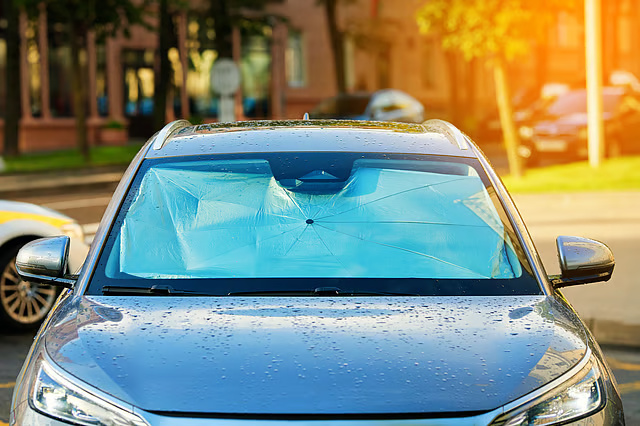
Twenty minutes may not seem like a long time, but Dubai resident Kriti Kohli discovered that even a brief stop can highlight the risks of leaving a car parked under the UAE sun. After a quick bank visit, she returned to find her vehicle intensely hot inside. “It was so hot when I returned to the car,” she recalled, adding that the trapped heat and stuffiness left her feeling more fatigued.
The discomfort goes beyond a hot cabin, burning steering wheel or heated seatbelts. The more serious effects of extreme temperatures often occur out of sight, with heat accelerating wear and damage to the vehicle’s internal components.
The blistering truth: Extreme heat accelerates wear and tear across your vehicle
High temperatures can leave vehicles vulnerable to a range of issues, from weakened batteries and deteriorating rubber hoses to faster ageing of electronic components. Prolonged exposure to intense heat and UV rays can also gradually damage interior materials over time.
Experts say the key is recognising the effects of extreme temperatures early, before minor heat-related damage turns into a breakdown on the roadside.
Modern cars can handle the heat, but not indefinitely
The good news is that today’s vehicles are engineered to operate in temperatures far beyond typical weather conditions. However, while the engine may be designed to withstand extreme heat, it is often the supporting components that experience the effects first.
Parts such as batteries, rubber seals, hoses, electronics and interior materials can gradually deteriorate under prolonged exposure to high temperatures, making regular checks essential during the UAE’s hottest months.
Sujit John, General Manager at Rapid Performance Auto Repairing LLC, explains that while the key system itself is generally not affected, vehicles equipped with passive keyless entry or door code systems may experience issues as sensitive electronic components deteriorate over time.
Although drivers often assume the engine faces the biggest challenge during extreme heat, mechanics say prolonged high temperatures gradually weaken the plastics, rubber parts and electrical components surrounding it.
During UAE summers, temperatures regularly rise above 45°C. Vehicles parked under direct sunlight can see cabin temperatures climb beyond 70°C, while heat from the asphalt places additional stress on tyres, says Gurmeet Singh, Managing Director of Axis Workshop. “Prolonged exposure to such extreme heat breaks a vehicle down at the molecular level,” he said.
This slow deterioration is the type of heat-related damage technicians frequently identify during routine vehicle servicing.
The rubber and plastic components in vehicles tend to age much faster under extreme heat, explains Athina Doyle, General Manager at I Service Any Car. Coolant hoses can become brittle, O-rings may harden, and electrical connectors and plastic covers can deteriorate over time. These issues can eventually lead to coolant or vacuum leaks that could have been detected during routine inspections.
Engine oil, coolant and transmission fluids are designed to operate under high temperatures and pressure, well beyond normal ambient conditions. However, the surrounding components — including rubber hoses, gaskets, washers and connectors — are more vulnerable to constant heat exposure and can wear out faster, increasing the risk of leaks and related damage. Regular vehicle checks can help identify these problems before they become major repairs.
Why batteries seem to fail without warning
Many drivers are surprised when a battery suddenly fails after appearing to work normally through the summer months. However, the damage often develops gradually.
Sujit John explains that extreme heat can affect battery performance, including its ability to manage charge and discharge cycles. Prolonged exposure to high temperatures can shorten battery life, leading to issues such as delayed starts or sudden breakdowns.
A weak battery can affect more than just the ability to start the engine. Sujit John notes that modern vehicles perform multiple electronic checks and system activations during startup, and an underperforming battery can impact the long-term reliability of some electronic components.
A common misconception is that only cold weather damages batteries. However, extreme heat can be equally harmful, if not more so. Higher temperatures accelerate chemical reactions inside the battery and can cause the electrolyte fluid to evaporate, reducing battery efficiency over time, explains Gurmeet Singh.
The effects are not always immediately noticeable. A battery weakened during the peak of summer may continue starting the vehicle because hot engines require less cranking power. However, as temperatures begin to drop in autumn, the damaged battery may no longer be able to provide enough power to start the engine.
Athina Doyle says workshops see this pattern repeatedly each year. She adds that electric vehicles are not completely protected from heat-related battery issues either. “The same principle applies to electric vehicles. High temperatures can contribute to battery degradation over time, although EV batteries have sophisticated cooling systems to help manage this,” she explains.
If an EV battery eventually requires replacement, the cost can be significantly higher than replacing a conventional 12-volt car battery.
It’s often the hoses, not the fluids, that fail
Many drivers worry about engine oil or coolant overheating, but mechanics say the reality is more complex. “Engine oil, coolant and transmission fluids are designed to perform under extreme heat and pressure, far above ambient temperatures,” says Sujit John.
The greater concern is often the components surrounding these fluids. Connecting hoses, rubber gaskets, washers and connectors can deteriorate faster under constant heat exposure, increasing the risk of leaks. Regular inspections can help identify these issues early before they lead to more serious damage.
Gurmeet Singh explains that extreme temperatures can still gradually affect the performance of essential fluids. For engine oil, prolonged heat exposure can reduce viscosity, making the oil thinner. If it becomes too thin, it may struggle to maintain the protective film needed between moving metal components, potentially accelerating engine wear.
Coolant systems operate under significant pressure during the summer months, and brake fluid can lose effectiveness if absorbed moisture reaches boiling temperatures. Heat can also accelerate oxidation in transmission fluid, potentially leading to rough gear changes and transmission slippage, says Singh.
From her workshop experience, Athina Doyle says the problems mechanics most often encounter involve ageing plastic reservoirs and rubber fittings rather than the fluids themselves. “The fluids themselves generally aren’t the problem; they’re designed to cope with very high temperatures,” she explains.
The bigger issue is that the components containing these fluids deteriorate much faster in the UAE heat. As hoses, seals, reservoirs and fittings weaken, they can develop leaks even when the coolant, engine oil or transmission fluid inside is still functioning as intended.
If a vehicle remains parked for extended periods, tyres can develop flat spots. Instead of maintaining a perfectly round shape, the tyre may become slightly flattened in the area that remains in contact with the ground. This can cause noticeable vibrations when driving begins again. In some cases, the vibration disappears as the tyres warm up, but severe flat spots or already aged tyres may require replacement, explains Athina Doyle.
Your tyres are under pressure
Tyres face some of the toughest conditions on a vehicle, especially during UAE summers. While air temperatures can exceed 45°C, road surfaces exposed to direct sunlight can become significantly hotter.
Sujit John explains that road temperatures can be nearly 20°C higher than air temperatures due to sun exposure. This additional heat softens the tyre rubber compound and places extra stress on the tyre structure. “If a tyre is not in good condition, a tyre blowout may happen, which could lead to a major accident at highway speeds,” he warns.
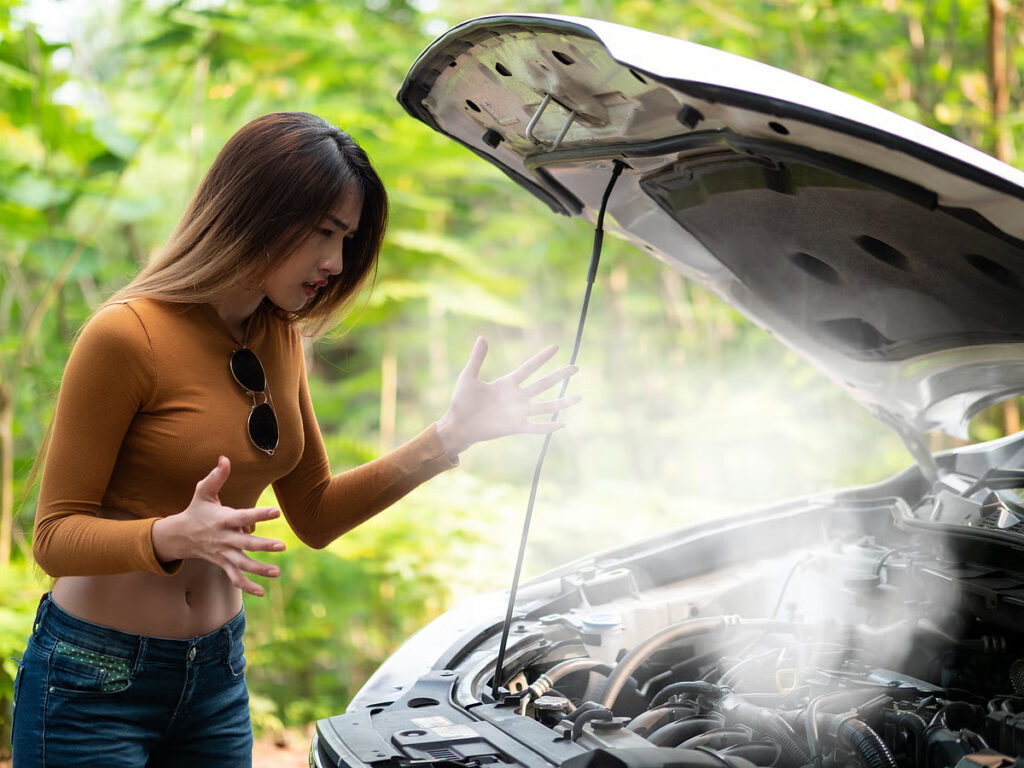
Tyres are affected by heat from both the surrounding air and the scorching asphalt beneath them. As temperatures rise, tyre pressure also increases. Gurmeet Singh notes that, as a general guideline, tyre pressure rises by around 1 PSI for every 5.5°C (10°F) increase in temperature.
Over time, extreme heat can strip rubber of the oils and compounds that help keep it flexible. Continuous exposure to high temperatures causes rubber compounds to become brittle, leading to structural cracks, often referred to as “dry rot,” and significantly increasing the risk of tyre failure or a high-speed blowout.
Prolonged parking can create another issue that many drivers overlook. “If a car is left parked for long periods, you can also develop flat spots on the tyres. Instead of being perfectly round, the tyre becomes slightly flattened where it’s been sitting, which often causes a noticeable vibration when you first start driving,” Athina Doyle explains.
Heat ages your car’s electronics
Modern vehicles are increasingly becoming computers on wheels, with everything from safety systems to infotainment features relying on advanced electronics. However, these systems are vulnerable to prolonged exposure to extreme temperatures.
Gurmeet Singh notes that components such as LCD screens, wiring insulation and electronic modules can deteriorate when exposed to excessive heat. Screens may temporarily malfunction or suffer permanent damage if cabin temperatures exceed their operating limits, while repeated heat cycles can make plastic and rubber insulation around wiring brittle and prone to cracking.
Sujit John points out that modern vehicles can contain between 70 and 200 sensors communicating constantly with the engine control unit. Although these systems are built to withstand demanding conditions, sustained UAE summer heat can accelerate the ageing of sensors, wiring and displays, potentially leading to unexpected failures.
The cabin is ageing too
The combination of intense UV exposure and trapped heat can gradually damage almost every part of a vehicle’s interior. While high temperatures contribute to warping and brittleness, direct sunlight entering through the windscreen is often the bigger factor behind long-term deterioration.
Common problems include cracked dashboards, dried-out leather, warped plastics, failing adhesives, fading surfaces and sagging headliners.
Gurmeet Singh explains that ultraviolet rays combined with extreme heat can cause plasticisers — the chemicals that keep plastics flexible — to evaporate over time. This can result in dashboards becoming faded, warped and cracked.
Leather surfaces can also lose moisture and become dry, while the adhesives used to hold interior trims together may soften or deteriorate with repeated heat exposure.
Athina Doyle says owners of older vehicles are often the first to notice heat-related interior damage. “They start to degrade and break, roof linings start to peel and sag,” she explains.
She adds that some vehicles can experience specific heat-related issues. “For those of you that have BMWs, you may notice your door handles become quite sticky. This is because vulcanised rubber will perish in hot conditions.”
Summer car checklist: What UAE drivers should remember
No vehicle is completely immune to the UAE’s extreme summer temperatures, but many heat-related problems can be prevented through regular inspections and maintenance. Experts say a few simple checks can help identify issues early, extend a vehicle’s lifespan and reduce the risk of breakdowns during the hottest months.
Check your battery health
Extreme temperatures can gradually weaken batteries. Drivers should have their battery tested regularly, especially if it is older, as a failing battery can affect not only starting performance but also the operation of various electronic systems.
Inspect the cooling system
Check coolant levels, look for leaks and examine radiator hoses for cracks or signs of wear. Ensure the vehicle is filled with the correct coolant rather than plain water, as this helps the engine manage extreme temperatures more effectively.
Monitor your tyres
Check tyre pressure in the morning before driving, when temperatures are lower and readings are more accurate. Inspect tyres for cracks, bulges, dry rot and uneven wear, and remember to check the spare tyre as well.
Keep an eye on fluids and leaks
Engine oil, coolant and transmission fluids are designed to operate in high temperatures, but the hoses, seals and other components containing them can deteriorate under prolonged heat exposure. Regular inspections can identify leaks before they develop into major issues.
Don’t ignore your air-conditioning system
A poorly performing AC system can place additional strain on a vehicle during summer. Check the cabin air filter and ensure the system is operating efficiently before temperatures reach their peak.
Protect your car’s interior
Use a reflective windscreen sunshade whenever possible and avoid leaving the vehicle exposed to direct sunlight for extended periods. UV rays and heat can damage dashboards, leather, plastics and interior adhesives.
Pay attention to unusual signs
Drivers are often the first to notice changes in their vehicles. Unusual noises, warning lights, vibrations or changes in performance should be checked promptly, as addressing small issues early can prevent costly repairs later.
Never leave anyone inside a parked car
A vehicle’s interior can become dangerously hot within minutes during UAE summers. Children, older adults and pets are particularly vulnerable, and there is no safe amount of time to leave them unattended inside a parked vehicle.
The greatest danger isn’t to your car
While extreme summer heat can shorten a vehicle’s lifespan, it can also pose a serious threat to human health within minutes.
Dr. Aliaa Adel, Specialist in Internal Medicine at Medcare Hospital Sharjah, warns that temperatures inside parked vehicles can rise rapidly, even if windows are slightly open. “Even with the windows slightly open, temperatures inside the vehicle can rise rapidly within just a few minutes, particularly during the UAE summer when outdoor temperatures are already extremely high,” she says.
As the body struggles to regulate its temperature, dehydration can quickly set in. If the body is unable to cool itself effectively, heat exhaustion may develop and can progress to heatstroke — a medical emergency that can cause confusion, seizures, organ damage and, in severe cases, become fatal if treatment is delayed.
Children, older adults and pets are especially at risk because their bodies are less efficient at regulating temperature.
Dr. Adel’s advice is clear: “In extreme heat, there is no truly safe amount of time to leave a child, older adult, vulnerable person or pet alone in a parked car.”
The safest approach is simple: always take everyone with you when leaving a vehicle, no matter how short the stop may seem.

