

Strait of Hormuz shipping route at risk as US-Iran tensions heighten supply fears.
Oil prices rose in early trading on Monday, while gold retreated, as investors remained cautious about supply risks in the Middle East but grew increasingly confident that the latest US-Iran military exchanges would not escalate into a full-scale regional war.
As of 8:32 am in Tokyo on June 29, 2026, Brent crude, the international benchmark, gained 0.55% to $72.389, according to Trading Economics.
West Texas Intermediate (WTI) crude climbed 1.33% to $70.15.
Elsewhere in energy markets, natural gas futures rose 0.82% to 3.306, gasoline advanced 0.90% to 2.9836, and heating oil increased 1.30% to 3.2499, reflecting ongoing concerns over energy supply security amid continued tensions in the Gulf region.
The gains came despite ongoing diplomatic efforts between Washington and Tehran.
Technical talks on implementing the US-Iran memorandum of understanding remain scheduled, even after both sides exchanged missile and drone strikes over the weekend.
Investors continued to monitor developments around the Strait of Hormuz, through which roughly one-fifth of global seaborne oil passes.
Although commercial traffic has resumed, shipping activity remains below normal levels, while higher insurance and freight costs continue to provide support for crude prices.
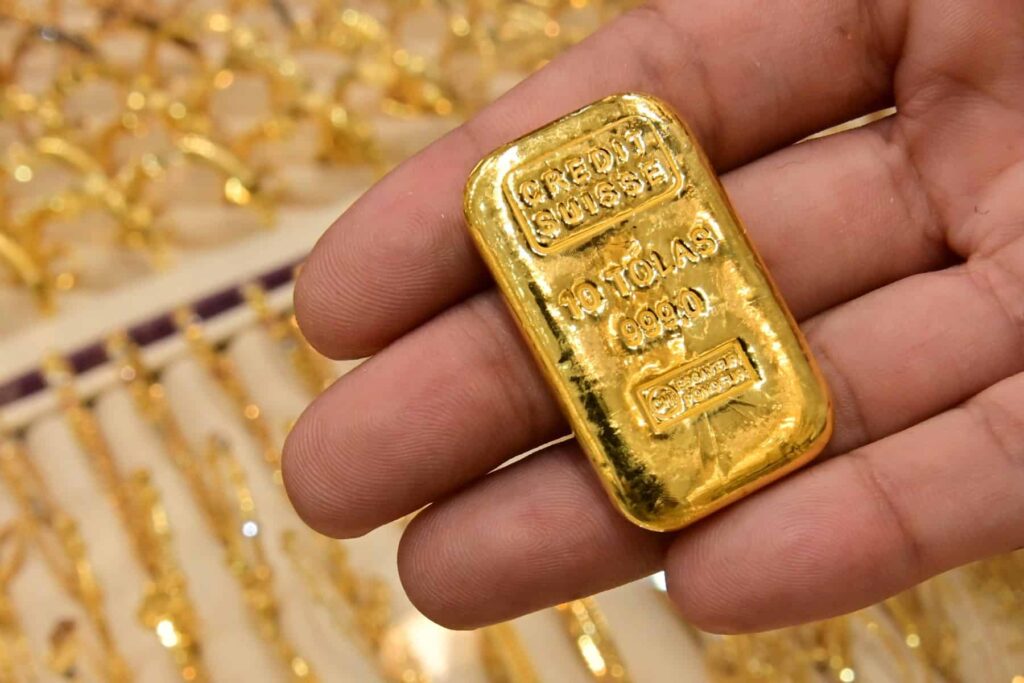
Gold falls
Safe-haven demand, however, eased. Gold fell 0.57% to 4,063.75, while silver slipped 0.20% and copper declined 0.19%, indicating that investors rotated away from defensive assets as concerns over an immediate disruption to global oil flows moderated.
Agricultural commodities traded mixed. Soybeans edged down 0.07%, while wheat fell 2.27%, extending losses amid improved supply expectations. Coal slipped 0.28%, whereas steel rose 0.33%, reflecting resilient industrial demand.
In European energy markets, the trend was more subdued. EU natural gas futures declined 2.74% to 40.87, suggesting traders expect regional gas supplies to remain sufficient despite ongoing geopolitical uncertainty.
Overall, commodity markets reflected a cautious balance: traders continued to factor in a geopolitical risk premium for oil, while also betting that diplomacy and military restraint will prevent the Gulf tensions from significantly disrupting global energy supplies.

