

Abu Dhabi Biobank and BioTwin are advancing virtual human twin technology in the UAE.
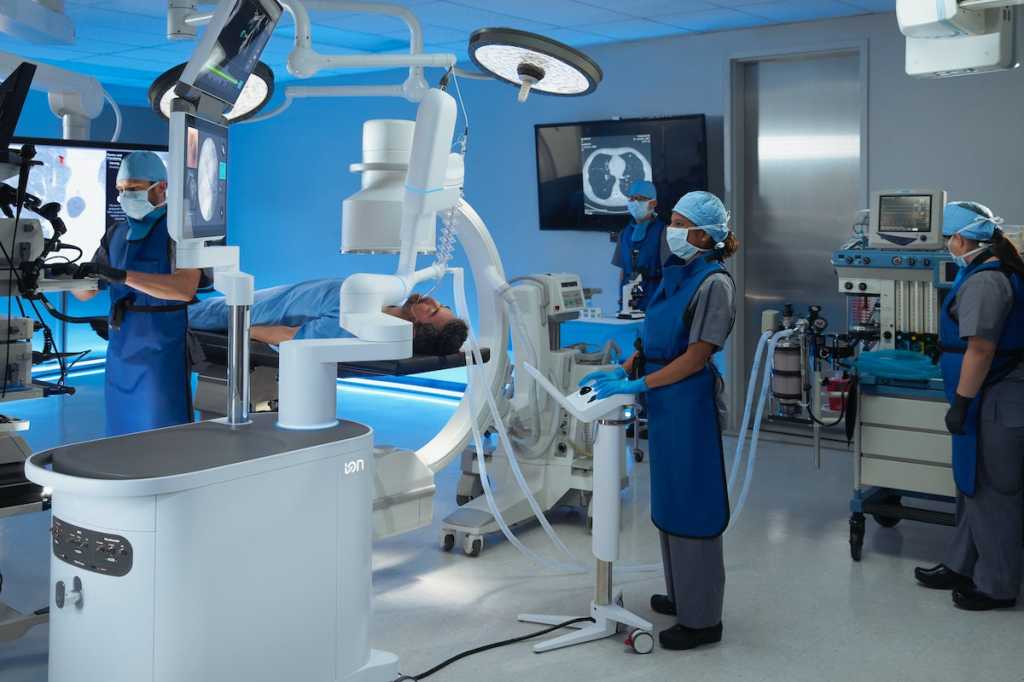
The Abu Dhabi Biobank, a strategic initiative established by the Department of Health – Abu Dhabi (DoH), the emirate’s healthcare regulator, and M42, a global health leader, has announced a partnership with BioTwin to advance AI-powered Virtual Human Twin technology in Abu Dhabi. The initiative aims to support early diagnosis, disease prevention, and precision medicine.
The agreement was signed on the sidelines of the BIO International Convention 2026 in San Diego, United States. It brings together BioTwin’s longitudinal biomarker platform and Virtual Human Twin technology with the Abu Dhabi Biobank’s ability to integrate biological, genomic, and clinical data, supported by AI-driven insights. The collaboration is expected to improve understanding of complex diseases, accelerate clinical research, and shift healthcare from a reactive model to a more proactive, prevention-focused approach.
Advancing gene therapy technologies
Dr. Noura Khamis Al Ghaithi, Undersecretary of the Department of Health – Abu Dhabi, said: “Abu Dhabi has built a pioneering smart life sciences ecosystem by integrating population-scale genomics programmes, advanced longitudinal health data, real-world evidence, and agile regulatory frameworks. Together, these elements form a comprehensive, future-ready ecosystem capable of driving the next generation of healthcare innovation.”On the sidelines of the BIO International Convention 2026 in San Diego, the Department of Health – Abu Dhabi signed a Memorandum of Understanding (MoU) with Arbor Biotechnologies, a company focused on next-generation gene-editing technologies and targeted genetic therapies.
Under the agreement, both sides will explore opportunities to advance research and clinical development in gene editing, support the creation of innovative treatments for rare and inherited diseases, and strengthen scientific and clinical capabilities.
Driving innovation in genomics research
The partnership represents another milestone in Abu Dhabi’s progress, moving from leveraging population-scale genomic data toward developing next-generation advanced therapies.
In addition, the Department of Health – Abu Dhabi signed a Memorandum of Understanding with Novartis Middle East FZ-LLC to explore collaboration in genomics research, scientific capacity building, and advanced therapies. The agreement underscores a shared commitment to accelerating healthcare innovation and improving patient outcomes.
This collaboration further strengthens Abu Dhabi’s advanced genomics ecosystem by linking global scientific expertise with one of the world’s largest population genomics programmes.
What is Virtual Human Twin Technology?
Virtual Human Twin technology is a highly accurate digital replica of a person’s organs and biological systems. Powered by advanced artificial intelligence, it integrates biological, clinical, and genomic data unique to each individual to predict potential diseases, personalise treatments, and shift healthcare from reactive disease management to proactive, preventive care.
How does the technology work?
AI-powered Virtual Human Twin models rely on continuous collection and integration of comprehensive individual data, including:
- Genomic data: the individual’s complete genetic profile
- Biological and clinical data: health indicators gathered through blood tests, wearable devices, and Internet of Things (IoT) sensors
- Artificial intelligence analysis: machine-learning systems process and compare this information against large datasets to detect subtle health changes and generate predictive insights
Key applications and use cases
- Precision medicine and early diagnosis:
Creating highly accurate predictive models that can identify chronic diseases and cancers long before symptoms appear, enabling timely intervention and improved health outcomes. - Virtual therapeutic testing:
Simulating how different medications and dosage levels affect a digital twin instead of a human body, helping assess effectiveness while reducing the risk of side effects. - Surgical planning:
Allowing physicians to test and evaluate complex procedures—such as cardiac and neurosurgical operations—on a patient’s virtual twin before performing real surgery, improving precision and reducing risk.
Pioneering initiatives and global projects
The technology is gaining increasing international attention across the healthcare sector. A leading example is Abu Dhabi’s strategic collaboration with global innovators such as BioTwin, supported by the Abu Dhabi Biobank and national genomic data resources, to develop Virtual Human Twin models. These initiatives reinforce Abu Dhabi’s position as a global hub for precision medicine, early diagnosis, and next-generation healthcare innovation.

