

Cardiologists emphasised that fitness and youth are not always signs of good heart health, and warned that symptoms such as chest pain, dizziness, and shortness of breath should never be ignored.
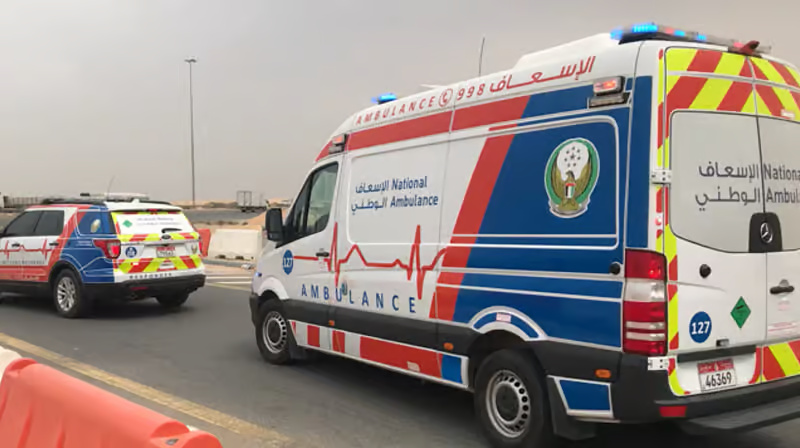
Following the deaths of two UAE residents who collapsed while playing sports within four days of each other, there is renewed attention on heart health and the risks of undiagnosed cardiac conditions.
The incidents involving a 38-year-old cricketer in Dubai on June 14 and a 42-year-old badminton player in Ajman on June 17 have led doctors to caution against assuming that an active lifestyle alone guarantees good heart health.
While doctors emphasise that each medical case is unique and caution against drawing conclusions without confirmed medical findings, the two incidents have raised concerns about whether seemingly healthy individuals may have underlying health issues.
Cardiologists say the answer is yes. “Being young, slim, or physically active does not always mean the heart is healthy,” said Dr Harb Abubaraka, consultant interventional and non-invasive cardiology at Burjeel Hospital, Abu Dhabi.
Doctors said some individuals may have underlying heart conditions without knowing it, with symptoms often going unnoticed until detected during medical tests or triggered during physical exertion.
What is a “weekend athlete”?
Many UAE residents spend most of the week in sedentary desk jobs and then engage in intense sports such as cricket, football, badminton, or cycling on weekends. Doctors refer to them as “weekend athletes” or “weekend warriors.”
According to Dr Harb, sudden vigorous activity can place significant strain on the body, particularly in individuals who are not regularly conditioned for high-intensity exercise. He said this pattern may temporarily increase the risk of heart attack, dangerous arrhythmias, and sudden cardiac arrest in those with underlying heart disease.
The risk is higher among smokers and individuals with risk factors such as high blood pressure, diabetes, high cholesterol, or a family history of heart disease.
Heart attack vs cardiac arrest
Doctors note that the two are often confused but are not the same.
A heart attack occurs when blood flow to part of the heart is blocked, usually due to a clot in a coronary artery. Symptoms may include chest pain or pressure, sweating, nausea, shortness of breath, or pain radiating to the arm, jaw, neck, or back. During a heart attack, the heart typically continues beating.
Cardiac arrest, however, occurs when the heart’s electrical system suddenly malfunctions, causing the heart to stop effectively pumping. The person may lose consciousness, stop responding, and stop breathing normally. Without immediate CPR and defibrillation, it can be fatal within minutes.
“A person can have a heart attack without cardiac arrest, cardiac arrest without a heart attack, or a heart attack that leads to cardiac arrest,” said Dr Harb.
Seven warning signs not to ignore
Doctors advise active adults to pay attention to symptoms that may appear mild but could signal underlying heart problems:
Chest pain or pressure
Persistent or recurring chest discomfort during physical activity should be taken seriously.
Unusual shortness of breath
Breathlessness that feels disproportionate to the level of exertion may indicate a problem.
Dizziness or fainting
Unexplained dizziness, blackouts, or fainting during exercise should never be ignored.
Palpitations
A racing, irregular, or unusually forceful heartbeat may suggest an underlying rhythm disorder.
Extreme fatigue after exercise
Unusual exhaustion or prolonged recovery time may indicate cardiovascular strain.
Family history of heart disease
A history of sudden cardiac death or early heart disease in close relatives increases risk.
Fitness does not always mean heart health
Doctors warn that assuming fitness equals a healthy heart is a common misconception.
“There are many cardiac conditions that can be present in young patients,” said Dr Shipra Srivastava, consultant cardiothoracic surgeon at Aster Hospital, Al Qusais.
She noted that conditions such as hypertrophic obstructive cardiomyopathy (HOCM), electrical abnormalities of the heart, or coronary artery disease can remain undiagnosed.
“There is a misconception that cardiac disease affects only older individuals,” she added.
Does heat increase risk?
Doctors also pointed out that high temperatures and dehydration can make outdoor exercise more demanding.
Dehydration may cause electrolyte imbalance and strain multiple body systems, while heat and humidity force the cardiovascular system to work harder to regulate body temperature.
They advised staying hydrated, avoiding peak heat hours, and gradually building up fitness levels.
Should you get checked before sports?
Doctors recommend medical screening for people planning intense physical activity, especially adults over 35 or those with risk factors such as diabetes, hypertension, high cholesterol, smoking history, or a family history of heart disease.
Basic assessments may include blood pressure checks, blood sugar and cholesterol tests, ECGs, and further cardiac evaluation if needed.
At the same time, doctors stress that people should not avoid exercise altogether. Instead, they recommend consistent physical activity throughout the week rather than sudden intense bursts on weekends, along with prompt attention to warning signs.
“Most casualties during heavy and unacclimatised sports happen due to pre-existing and undiagnosed conditions,” said Dr Shipra. “To say that sports are the cause of fatality is not always true.”

