

According to Betterhomes’ latest data, buyers from the UK, India, Australia, and Egypt were the most active.
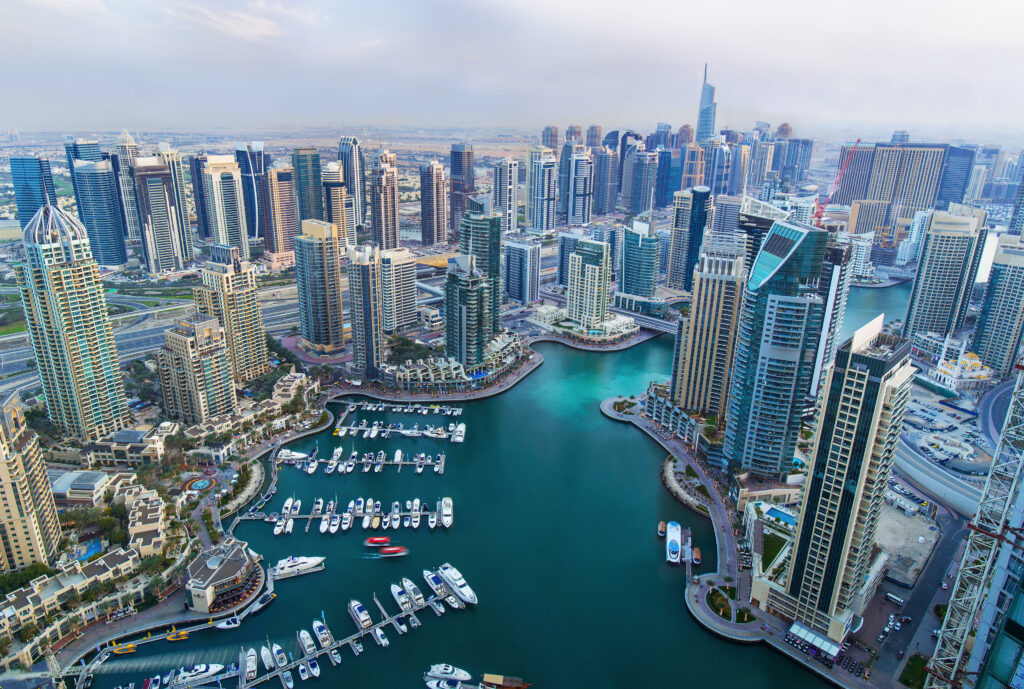
Dubai: British nationals ranked as the top buyers of property in Dubai, ahead of Indian, Australian, and Egyptian buyers, as international demand continues to support the emirate’s residential market despite tighter bank lending and more selective credit conditions.
Betterhomes data covering March to April 2026 shows UK buyers ranked first, followed by India, Australia, and Egypt. The brokerage noted that transaction volumes were not disclosed and that the rankings are based solely on its own data.
The buyer mix indicates continued strong overseas demand for Dubai homes, with apartments driving most activity and mortgage enquiries increasing since the beginning of the year.
Apartments accounted for the bulk of transactions tracked by Betterhomes, with Dubai Marina leading by a significant margin. Jumeirah Village Circle, Jumeirah Lake Towers, and Downtown Dubai also ranked among the most active areas.
Demand in the apartment segment was largely focused on one- and two-bedroom units, indicating a strong investor-driven buyer profile. Smaller homes in established communities continue to attract buyers seeking rental income, resale liquidity, and lower entry costs compared with villas.
The villa segment recorded lower overall volumes but was heavily concentrated in five-bedroom homes, reflecting demand from buyers prioritising space, family living, and long-term occupancy. Townhouse activity was more evenly distributed, with newer master-planned communities such as DAMAC Lagoons, Tilal Al Ghaf, and Mohammed Bin Rashid City attracting buyer interest.
Mortgage rates in Dubai have remained below 4%, with the city’s home loan market staying active despite regional uncertainty. Betterhomes said mortgage enquiry volumes have increased since the start of 2026, with applicants appearing better prepared and having clearer expectations on rates and eligibility.
Major UAE banks are currently offering fixed residential mortgage rates of 3.75% for one year, 3.78% for two years, and 3.95% for three years. Fixed-rate products are increasingly preferred by buyers as they provide cost certainty while remaining below many variable-rate benchmarks.
The most competitive offers are typically reserved for salaried UAE residents, particularly those with stable employment histories and complete documentation. Salary transfers to the lending bank can further improve pricing, although residency status and employment classification remain key factors in determining final offers.
“The fundamentals of Dubai’s mortgage market are sound. Rates are attractive, LTV structures are clear, and banks are lending,” said Adriaan Rossouw, Head of Mortgages at Lomond, betterhomes’ mortgage company. “What has changed is precision. Lenders are looking more carefully at who they are lending to and why. Buyers with clean documentation and accurate employment classification will find this market very accessible.”
Banks continue to apply stricter scrutiny to borrower profiles. Loan-to-value ratios remain aligned with Central Bank guidelines, with first-time buyers eligible to borrow up to 80% on ready properties, while investors and second-home buyers are generally capped at 60%. Off-plan purchases typically require a 50% deposit.
In practice, banks may apply more conservative property valuations depending on the asset, location, and applicant profile. Lenders are also increasingly scrutinising applicants employed in sectors such as aviation, hospitality, real estate, and oil and gas, with some reducing maximum loan-to-value (LTV) ratios for buyers in these industries.
Self-employed borrowers can still obtain financing, but face stricter documentation requirements. Banks typically request proof of business history, turnover, profitability, and VAT returns. Betterhomes noted that one common reason for loan rejection is when self-employed applicants present themselves as salaried employees, as lenders carefully verify employment status.
A Dh1 trillion project pipeline is building in the background as Dubai prepares for another major development cycle, although this pipeline represents a separate long-term dynamic for the market.
W Capital expects the total value of new real estate projects launched or developed in Dubai to surpass Dh1 trillion over the next five years, driven by population growth, foreign investment inflows, and continued mega-project announcements by leading developers.
Walid Al Zarooni, CEO of W Capital Real Estate, said Emaar’s AED200 billion development in central Dubai signals a new phase of urban and investment expansion, with future projects expected to include integrated cities, mixed-use districts, business hubs, and community-focused developments.
The scale of upcoming supply remains a key factor for buyers and investors. JLL projects around 59,000 residential units across Abu Dhabi and Dubai in the remainder of 2026, followed by nearly 92,000 units in 2027, though delivery timelines may be impacted by supply chain disruptions.

