

EU turns to renewables as conflict-fuelled energy costs strain imports.
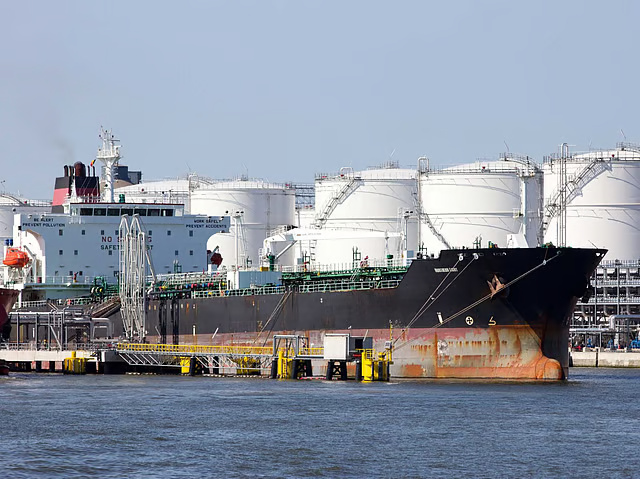
BRUSSELS, 6th June, 2026 (WAM) — The European Union has responded to the latest fossil fuel crisis by reducing overall fossil fuel imports, although three member states have moved in the opposite direction, increasing their purchases and deepening their dependence on imported energy.
Despite efforts to curb consumption and diversify energy sources, the EU continues to spend billions of euros on fossil fuel imports. At the same time, the bloc has become increasingly reliant on its two largest suppliers of liquefied natural gas (LNG) — the United States and Russia — highlighting the challenges of balancing energy security, affordability and the transition to cleaner sources of energy.
A new analysis by the Institute for Energy Economics and Financial Analysis found that LNG imports into the European Union have continued to decline, falling by 1.2 per cent since March. In the UK, LNG imports dropped by 20 per cent over the same period. Combined, the two markets recorded an overall reduction of 3 per cent.
“The EU has realised that its 2022 decision to boost LNG imports is no longer sustainable,” said Ana Maria Jaller-Makarewicz. “Supply constraints have prompted a reduction in LNG imports, highlighting the urgent need for further cuts in gas demand to avoid jeopardising the bloc’s energy security.”
The findings suggest that Europe is increasingly seeking to reduce its dependence on imported fossil fuels as supply challenges, high costs and energy security concerns reinforce the case for accelerating efficiency measures and the transition to renewable energy sources.
While many EU member states have responded to the latest fossil fuel crisis by curbing LNG imports, others have “deepened their exposure by increasing them,” according to Ana Maria Jaller-Makarewicz.
The analysis found that Germany’s LNG imports surged by 72 per cent year-on-year between March and May 2026, marking the largest increase among EU countries during the period. Italy and Belgium also recorded higher LNG imports over the past year, despite broader efforts across the bloc to reduce reliance on fossil fuels.
According to the report, Italy’s rising imports come as the country faces challenges in meeting its 2030 emissions-reduction targets, underscoring the tension between energy security concerns and long-term climate commitments. The findings highlight significant differences in how EU member states are responding to ongoing energy market pressures and supply uncertainties.
The Institute for Energy Economics and Financial Analysis also found that the European Union’s dependence on LNG from the United States and Russia persisted during the first 100 days of the Middle East conflict.
According to the analysis, the US supplied 60 per cent of the EU’s LNG imports during that period, up from 56 per cent a year earlier, further cementing its position as the bloc’s largest LNG supplier.
Rising fossil fuel import costs, combined with more than 210 emergency measures introduced by EU member states to address energy market disruptions, have contributed to an estimated €60 billion energy bill linked to the conflict.
The report argues that expanding domestic renewable energy capacity remains one of the most effective ways for Europe to reduce its reliance on imported fossil fuels. Last year, clean energy sources helped the EU avoid an estimated €51 billion in fossil fuel import costs, with solar and wind power accounting for much of those savings. Renewable energy advocates say the figures underscore the economic as well as environmental benefits of accelerating the bloc’s energy transition.
European households are increasingly turning to electrification as a way to protect themselves from rising energy costs, according to the analysis.
Sales of heat pumps rose by 25 per cent in France, Germany and Poland during the first months of 2026, reflecting growing demand for alternatives to fossil fuel-based heating systems. Meanwhile, UK energy company Octopus Energy reported a 51 per cent increase in heat pump sales during the first three weeks of March compared with the same period a month earlier.
Interest in electric vehicles (EVs) has also grown across Europe, with several automotive marketplaces reporting increased consumer demand. At the same time, official UK government figures showed that more than 27,000 solar installations were completed in March 2026, marking the highest monthly total since 2012.
The trends suggest that households are responding to higher energy prices by investing in technologies that can reduce long-term energy costs and reliance on imported fossil fuels, while also supporting broader climate and energy-security goals.

