

Onager birth recorded in Saudi Arabia for the first time in over a century.
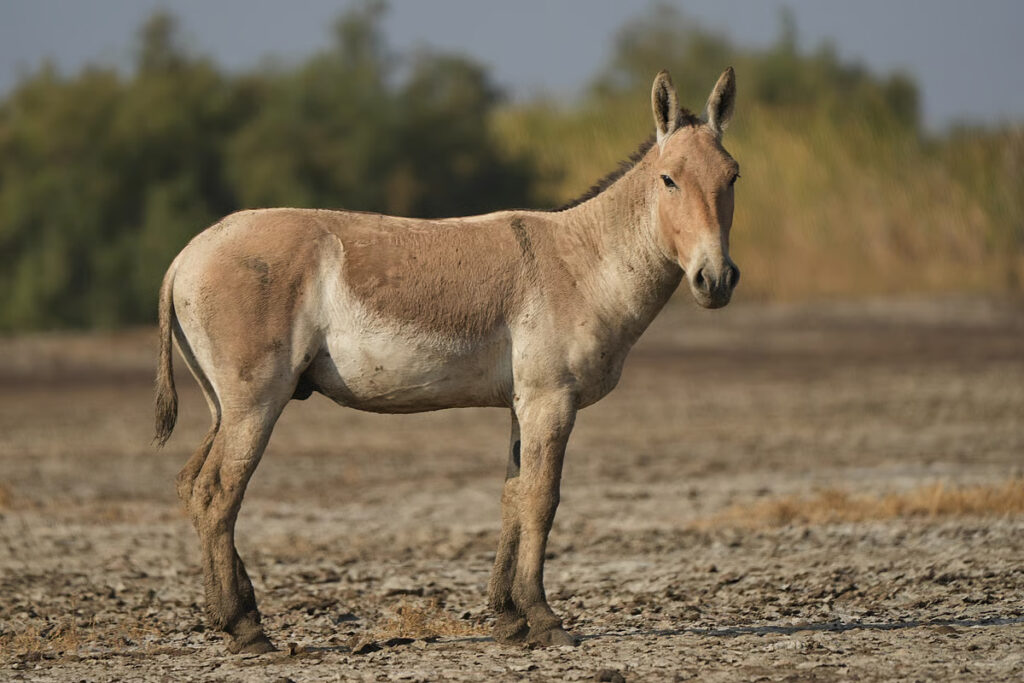
Marking a major milestone for wildlife conservation in the country, Saudi Arabia has recorded the first onager birth on its soil in more than a century at the Prince Mohammed bin Salman Royal Reserve.
The male foal, born in June 2025 as part of an Arabian rewilding programme, has successfully survived its critical first year. The reserve also expects two more births this winter and is expanding its breeding programme to enhance genetic diversity within the population.
Why is the onager birth so important?
This marks the first onager born in Saudi Arabia in over 100 years.
Following the disappearance of local onager populations from the Arabian Peninsula in the early 1900s, no wild breeding herds remained in the country capable of producing offspring, making this birth a significant step in restoration and conservation efforts.
In 2024, as part of a conservation initiative at the Prince Mohammed bin Salman Royal Reserve, Persian onagers from external conservation populations were reintroduced to help establish a new breeding herd.
In June 2025, these efforts led to the birth of a male foal. The reserve only made the announcement after the foal successfully completed its first year, a critical survival period during which mortality rates can reach around 50 per cent.
The milestone extends beyond the birth of a single foal. It indicates that a new population has been successfully re-established and is now reproducing, marking an important step towards building a self-sustaining wild herd. The reserve is also anticipating further births as the population continues to expand.
What are onagers?
The onager, also known as the Asiatic wild ass or hemione, is one of Asia’s most distinctive yet lesser-known wild equids. Historically, it ranged widely across deserts, grasslands, savannahs and open plains, but today it survives only in fragmented populations across Central Asia, the Middle East and South Asia, as well as in carefully managed conservation and captive breeding programmes worldwide.
Are onagers just wild donkeys?
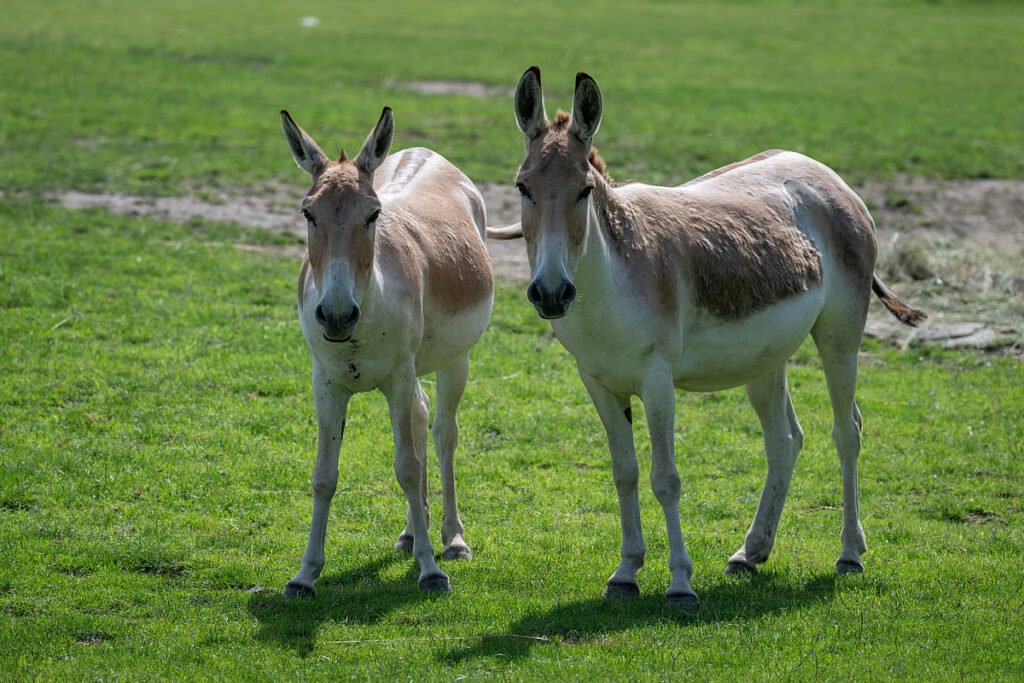
A common misconception is that onagers are simply wild donkeys. However, the answer is no—they are a distinct species within the wild equid family, separate from domestic donkeys, with their own unique genetic, behavioural and ecological characteristics.
While onagers and domestic donkeys both belong to the horse family, Equidae, and share some physical similarities, they are separate species.
In appearance, onagers are often described as a blend between a horse and a donkey. They have strong, horse-like legs, an upright mane, and a tail more similar to that of a donkey. They are typically larger, taller and faster than domestic donkeys, while still maintaining a lean, horse-like body shape.
Their origins also differ. Modern domestic donkeys are descended from the African wild ass and have been domesticated for thousands of years. Onagers, by contrast, remain fully wild. They also differ genetically, including having a distinct chromosome count, reflecting a separate evolutionary path despite their close relationship to donkeys.
Fast facts about the onager
Onagers are among the fastest hoofed mammals in their natural habitats, capable of reaching speeds of up to 70 km/h (43 mph).
They are social animals that typically form small groups, although their herd structure can change depending on season and environmental conditions.
Their coat varies with the seasons, ranging from a reddish-brown shade in summer to a sandy yellowish-brown in winter.
In the wild, onagers generally live up to around 14 years, while those in captivity can survive for as long as 26 years.
They are herbivores, feeding on grasses, herbs, leaves and fruits, and in arid regions they also browse on shrubs, trees and salt-tolerant vegetation.
Highly adapted to desert environments, onagers require far less water than domestic horses—often surviving on as little as five litres per day or less. They obtain much of their moisture from desert plants and can even tolerate saline or brackish water when fresh sources are limited.

