

The summit highlighted Abu Dhabi’s strong global position in advanced urban planning and development.
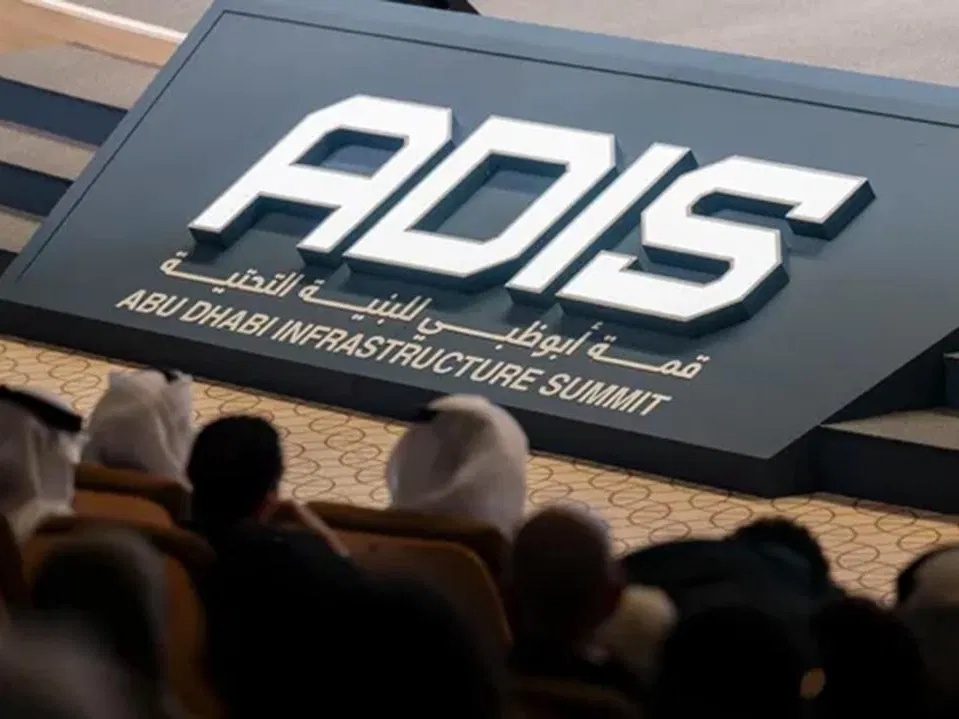
Abu Dhabi Infrastructure Summit 2026 opened at ADNEC Centre Abu Dhabi, drawing global leaders, investors, and technology innovators to discuss the future of smart, sustainable cities and resilient infrastructure systems.
The opening day of the summit focused on repositioning infrastructure as a key enabler of quality of life, economic growth, and long-term sustainability, while showcasing advances in smart mobility, digital infrastructure, and future urban communities.
The discussions also underscored Abu Dhabi’s strong global standing in urban planning and large-scale development, backed by a capital projects portfolio valued at over Dh209 billion, spanning more than 500 projects across the emirate.
Global infrastructure investments have now exceeded $100 trillion worldwide.
The summit is taking place amid rapid global urban transformation, with city populations projected to grow by nearly 2.5 billion people by 2050. Global infrastructure investment needs are also expected to reach around $106 trillion by 2040, highlighting the growing urgency for advanced urban planning approaches that improve resource efficiency and anticipate future demand.
In his opening remarks at Abu Dhabi Infrastructure Summit 2026, Mohamed Ali Al Shorafa, Chairman of the Department of Municipalities and Transport and the Abu Dhabi Projects and Infrastructure Centre, said cities worldwide are investing heavily in infrastructure to support population growth and economic development. He emphasised that the key challenge is ensuring these investments deliver measurable improvements in quality of life, urban efficiency, and the sustainability of public services.
Abu Dhabi has adopted an integrated development approach that prioritises continuity of services, mobility, and economic activity with high efficiency, even in the face of regional challenges and changing conditions—reflecting the resilience of its urban systems and its readiness for the future.
The emirate follows a people-first planning model, developing infrastructure that addresses both current and future needs while building connected communities, reliable services, and smart, data-driven systems that improve efficiency, sustainability, and overall quality of life.
According to Mohamed Ali Al Shorafa, quality of life in Abu Dhabi has become a measurable outcome of its integrated development framework. He explained that infrastructure delivery is managed through a unified system combining urban planning, project execution, transport networks, and municipal services under the Department of Municipalities and Transport, strengthening long-term efficiency and sustainable development outcomes.
Abu Dhabi is undergoing a major transformation in urban planning and infrastructure development amid pressures from rapid population growth, climate change, and accelerating technological change.
According to Engineer Maysarah Mahmoud Eid, Director General of the Abu Dhabi Projects and Infrastructure Centre, the emirate’s hosting of this global event reflects its ability to turn ambitions into tangible results. He noted that the centre is currently managing a capital projects portfolio worth around Dh209 billion, encompassing more than 500 infrastructure projects across the emirate.
He also stated that by 2029, Abu Dhabi plans to deliver more than 40,000 homes and residential land plots as part of efforts to strengthen community stability and enhance residents’ quality of life.
He added that over the past year, the centre has continued delivering major infrastructure projects and strategic investments across housing, transport, education, culture, and community development, while increasingly using advanced technologies across planning, execution, and delivery stages. These efforts have also strengthened coordination between government entities and expanded collaboration with the private sector.
Emphasising the need for a shift in urban development thinking, Maysarah Mahmoud Eid said that traditional city-building approaches are no longer sufficient. He noted that the current phase requires moving beyond constructing cities toward creating interconnected, resilient communities designed around people and focused on improving quality of life.
Over three days, Abu Dhabi Infrastructure Summit 2026 will cover topics including infrastructure financing, design, execution, and reimagining development approaches, alongside discussions on future mobility, digital infrastructure, sustainable communities, and smart construction technologies—positioning the summit as a platform for turning ideas into partnerships and development outcomes.

