

From family gatherings and traditional meals to the joy of exchanging eidiyah.
As Eid al-Adha approaches, families across the UAE begin preparing for one of the year’s most significant celebrations. Deeply rooted in family traditions, hospitality, and community spirit, the holiday sees homes filled with visitors, festive meals, and joyful preparations in the days leading up to Eid.
While celebrations have evolved over the years, many Emirati customs and traditions remain central to the occasion, continuing to be cherished and passed down from one generation to the next.
Preparing for Eid al-Adha
In the days leading up to Eid Al Adha, shopping malls and markets across the UAE become increasingly lively as families prepare for the celebrations by buying new clothes, gifts, and food. Many opt for traditional attire for the occasion, while bakeries and sweet shops begin offering a variety of special desserts and pastries commonly enjoyed during Eid gatherings.
Women and girls also prepare for the celebrations with henna appointments, while children eagerly anticipate wearing new outfits and spending quality time with relatives during the holiday break.
Eid al-Adha prayers and family visits
The first day of Eid begins shortly after sunrise with special prayers held at mosques across the country. Families gather early in the morning before spending the rest of the day visiting relatives and close friends.
For many Emirati families, one of the most cherished traditions is visiting grandparents and elderly relatives first before continuing celebrations with extended family throughout the day. Guests are often welcomed with Arabic coffee, dates, and sweets as loved ones exchange greetings and enjoy time together.
Traditional Eid food
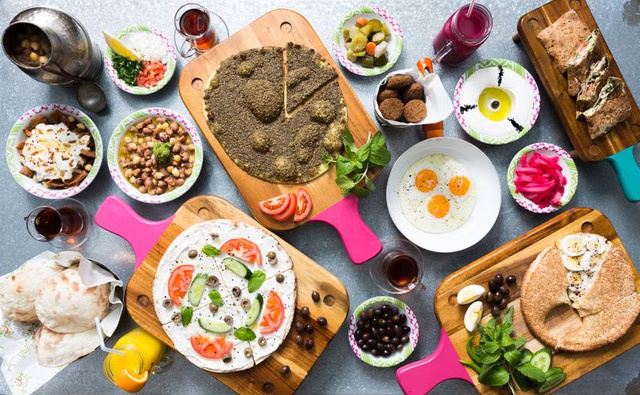
Food plays a central role in Eid celebrations, with families preparing a variety of traditional dishes to share with guests and relatives throughout the holiday.
Food plays a central role in Eid al-Adha celebrations across the UAE, with large family lunches bringing relatives together around tables filled with traditional dishes such as machboos, harees, thareed, and biryani.
Many households also prepare dessert spreads featuring luqaimat, khabeesa, dates, nuts, and fresh fruits for guests visiting throughout the day. Hospitality remains at the heart of Eid culture, with families often continuing gatherings and celebrations late into the evening.

Eidiyah and celebrations for children
Children are often the most excited for Eid festivities because of “Eidiyah” — the cherished tradition of receiving money or gifts from older family members. During family visits, decorated envelopes containing cash are commonly handed out, while some children also receive toys, sweets, or perfumes as part of the celebrations.
Families also organise outings during the Eid al-Adha holiday period, with many visiting parks, shopping malls, and entertainment destinations across the UAE to celebrate together.
The sacrifice tradition
One of the most important aspects of Eid Al Adha is the sacrifice ritual, during which meat is shared among relatives, neighbours, and those in need. The tradition reflects the values of generosity, charity, and community support that remain deeply tied to the occasion.
Today, many families complete the process through licensed slaughterhouses and digital services that help coordinate donations and meat distribution across the country, making the tradition more organised and accessible.
Festivities across the UAE
During Eid al-Adha, cities across the UAE come alive with fireworks displays, concerts, and seasonal events that attract large crowds throughout the long weekend. Popular destinations in Dubai and Abu Dhabi typically welcome families and visitors looking to enjoy the festive atmosphere and spend quality time together.
Despite evolving lifestyles and modern celebrations, Eid Al Adha in the UAE continues to revolve around family, generosity, and togetherness — traditions that remain deeply rooted in everyday life and cultural identity.

