

Plans to increase oil capacity are expected to boost demand for workers, equipment, and field services.
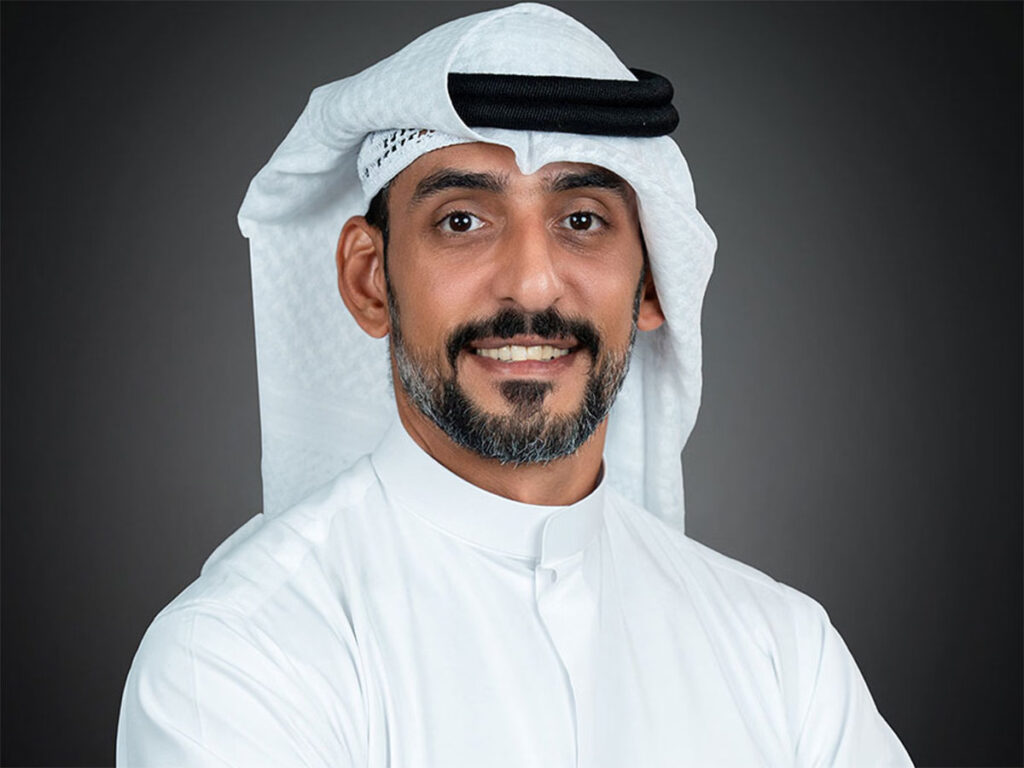
Dubai: The UAE’s withdrawal from OPEC is expected to generate new jobs and business opportunities for local energy service firms, with demand projected to rise across both blue-collar and white-collar roles as the country moves toward expanding production capacity, according to Mohammed Juma Al Bawardi, Group CEO of EMDAD.
Al Bawardi said UAE-based contractors and service providers are expected to play a bigger role as the country works toward its goal of increasing oil production capacity to 5 million barrels per day by 2027.
“Yes, for sure,” Al Bawardi said in an exclusive interview with Gulf News. “Given the scale of upcoming work required for specialised companies like ours, we will be able to attract a wide range of talent, from blue-collar to white-collar roles.”
EMDAD is a UAE-based integrated services provider serving the energy, petrochemical, and power sectors. Now part of NMDC Group, the Abu Dhabi company operates across trading, upstream and downstream services, as well as refinery shutdown projects for clients including ADNOC.
More work for local contractors
The UAE’s decision to exit OPEC will give the country greater flexibility to produce beyond quota limits, opening up a larger pipeline of work for companies supporting both upstream and downstream energy operations, Al Bawardi said.
“In the UAE we have been making investments historically to be able to accommodate that capacity,” he said. “We have reached the 3.4 million barrels per day mark and, moving forward, with the exit from OPEC, we are no longer bound by quota constraints and can potentially produce up to 5 million barrels.”
He added that the impact on contractors would be direct, as higher production capacity requires increased support in field services, equipment, maintenance, and technical operations.
“That is the ideal scenario for contractors as well,” Al Bawardi said. “More work ahead within the upstream and downstream verticals.”
Capacity needs manpower and equipment
The UAE’s target of reaching 5 million barrels per day will require companies to expand manpower and equipment capacity on the ground, according to Al Bawardi.
He said the investments required to reach the milestone have already been made, giving the UAE a strong foundation to scale up production when needed.
“With that specifically, we’re able to reach that milestone because the investments have already been made and the capacity is already there,” he said. “As a contractor, we are able to facilitate and complement the country’s initiative to help push production toward 5 million barrels per day.”
Still, higher production levels will bring increased operational requirements for companies in the sector.
“Along with it comes prerequisites where, as a local company, we need to scale up in terms of manpower and equipment to facilitate the increase in work capacity moving forward,” Al Bawardi said.
Local suppliers gain importance
Al Bawardi said UAE energy firms have been investing in local suppliers, technology, and maintenance support to enable faster decision-making and manage a larger workload following the country’s exit from OPEC.
“For us, we have been investing heavily to enable localisation, as well as to build the capabilities needed to serve our clients through a turnkey solution approach,” he said.
EMDAD operates across three main verticals. Its trading division partners with global suppliers to deliver products to regional clients, while its upstream services span a wide range of oil and gas disciplines. The downstream segment focuses on shutdown services and refinery operations.
The company is also highlighting its technological capabilities, including patents for downhole tools registered in Abu Dhabi.
“We have patents available for downhole tools,” Al Bawardi said. “We have two specific patents registered in Abu Dhabi, one for a whipstock tool and the other for a dual-section mill.”
Short to medium-term opportunity
The biggest impact for companies such as EMDAD will be felt in the short to medium term as the UAE works toward its production capacity target, Al Bawardi said.
“With that, what it means to us is that in the short to medium term there is a lot of work ahead to support this national initiative,” he said. “A significant amount of effort is required to reach that capacity, and we are ready and capable to do so.”
Supply chain resilience tested
Energy operations in the UAE have also faced pressure around the Strait of Hormuz, but Al Bawardi said recent disruptions highlighted the strength of the country’s industrial base.
“With the blockage within the Strait of Hormuz, it showed the resilience within the industrial sector in the UAE,” he said.
He pointed to petrochemicals, fertilisers, and aluminium as key sectors where the UAE maintains strong manufacturing and export capacity.
“You saw a lot of commodities within the petrochemical industry, as well as the fertilising industry, even aluminium, where we’re a major exporter of aluminium,” Al Bawardi said. “The UAE’s capability in manufacturing and industrialisation is very robust.”

