

Schools across the country are preparing for a carefully managed return to campuses after more than a month of online learning prompted by regional tensions.
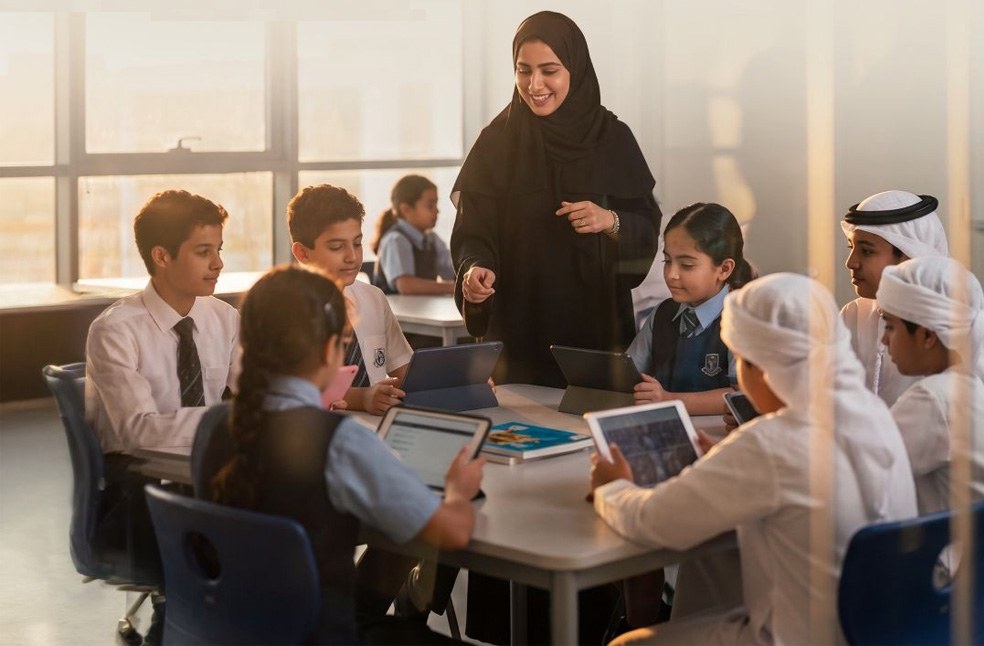
After weeks of remote learning, UAE schools are gradually transitioning back to in-person education, with enhanced safety infrastructure, emergency protocols, and, in some cases, staggered schedules being implemented.
Moreover, teachers and staff will undergo training in line with official guidelines, as communicated to parents through notices and emails sent by schools on Friday.
Schools in both Abu Dhabi and Dubai must comply with strict regulations before resuming in-person classes. In Abu Dhabi, institutions are awaiting approval from the Abu Dhabi Department of Education and Knowledge (ADEK) under its ‘Safe Education’ protocol, while Dubai schools must pass inspection by the Knowledge and Human Development Authority (KHDA) before restarting face-to-face learning.
Some campuses have been physically reconfigured to respond to potential alerts, with designated internal safe zones identified for each year group. These areas are reinforced, located away from windows and glass, and designed to be reachable within one minute.
The revised protocols have been introduced to ensure the safety of students and staff as they return to in-person learning, reflecting a precautionary approach amid regional tensions.
On Wednesday, the Ministry of Education announced that UAE schools could resume in-person education from Monday, April 20, although some institutions will remain fully online until they receive the necessary approvals.
Other measures
All teaching, administrative, and supervisory staff have undergone extensive training on updated emergency procedures to ensure clear response protocols in the event of alerts.
One key measure involves a calm communication approach, where staff guide students to shelters using verbal instructions rather than alarms, to reduce panic and prioritise emotional as well as physical safety.
Schools have also outlined procedures for alerts during pick-up and drop-off times. If an alert occurs during arrival, parents are required to shelter inside the building until an all-clear notice is issued. If an alert is triggered at dismissal, students will remain indoors until it is safe to leave.
To manage crowding, several schools have redesigned schedules to stagger arrival and dismissal times by year group and designated entrances. Only one guardian is permitted to accompany or collect a child, and all adults must wear identification lanyards and report to security, while gatherings at school gates are prohibited.
Additional measures vary by institution, with some schools keeping students indoors for assemblies, breaks, and PE lessons. In certain cases, canteens remain closed, while others encourage staggered food collection to avoid crowding. School transport services remain suspended, with decisions reviewed weekly.
Families who prefer remote learning can continue to opt for it, as schools maintain dual delivery options. Some institutions will also dedicate the first day of return to safety drills and rehearsing emergency procedures before resuming regular lessons.

