

The event was previously cancelled due to the ongoing conflict in the Middle East.
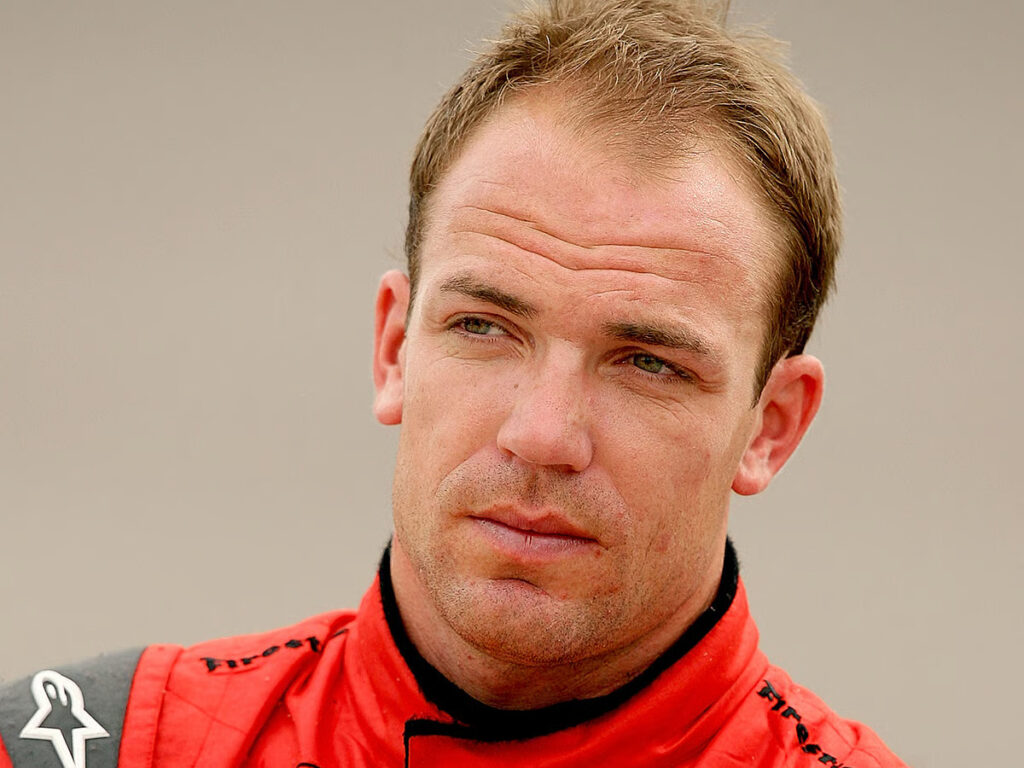
Dubai: Abu Dhabi GP ambassador Robert Doornbos has indicated that the recently called-off Middle Eastern Formula 1 Grand Prix in Saudi Arabia could still be rearranged and held later this year.
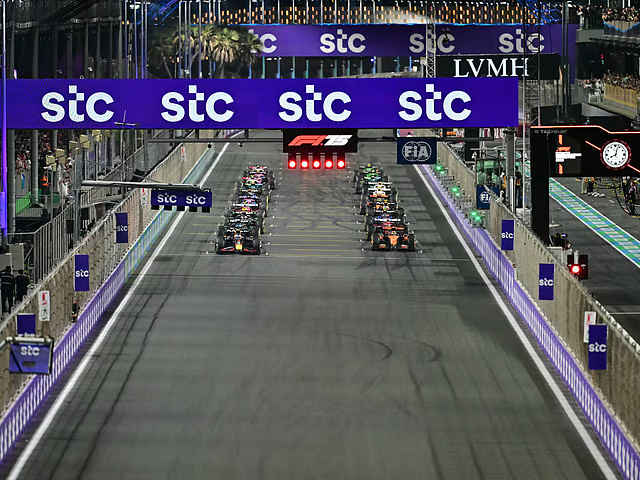
The Bahrain GP, originally scheduled for April 12, and the Saudi Arabian race set for April 19 were both cancelled due to the ongoing conflict in the Middle East involving Iran.
This has left Formula 1 with an extended five-week gap between the Japanese Grand Prix on March 29 and the next round in Miami on May 3.
As a result of the two cancellations, the 2026 season now features 22 Grands Prix instead of the originally planned 24, with it previously being announced that the cancelled events will not be rescheduled for April.
Former F1 driver and Abu Dhabi GP ambassador Robert Doornbos has said the Saudi Arabian Grand Prix could still take place later in the year, suggesting a possible slot on December 6, with the Abu Dhabi Grand Prix potentially moving to December 13.
“I heard something else,” he told Ziggo Sport’s De Stamtafel programme.
“We know Aramco as the sponsor of Formula 1. They are promoting the event in Jeddah enormously, because that is their gem. Jeddah could yet come back to the calendar this year.”
Aramco, also known as Saudi Aramco, is a state majority-owned oil and gas company that supports a range of major sporting properties, including Formula 1, and also partners with organisations such as FIFA and the ICC.
“They now say that they are moving Abu Dhabi by a week and that they are slotting Jeddah in between,” he added.
“That means you finish the season with four races in a row – Las Vegas, Qatar, Jeddah and Abu Dhabi.”
How would the Abu Dhabi GP be impacted if the event is rescheduled?
The Abu Dhabi Grand Prix at Yas Marina Circuit is currently confirmed to run from Thursday 3 December to Sunday 6 December, maintaining its traditional role as the season-ending round of the Formula 1 calendar.
If a reshuffle takes place to accommodate a rescheduled Saudi Arabian Grand Prix, the Abu Dhabi race could potentially be pushed back by a week, depending on how the revised late-season sequence is structured.
However, with the possibility of the Saudi Arabian Grand Prix being reinstated and added back into the 2026 schedule, there is a scenario in which the Abu Dhabi race weekend could be pushed back to Sunday 13 December to accommodate calendar restructuring while preserving the season finale slot.
If that adjustment were to happen, it could have wider implications for the Abu Dhabi Grand Prix beyond the racing itself. One of the key impacts would be on the Yasalam after-race concerts, which are a central feature of the event’s identity.
For the originally scheduled December 3–6 weekend, organisers have already confirmed headline performances including Lewis Capaldi and Zara Larsson, both set to perform on the opening night.
A date shift to December 13 would immediately create logistical challenges for these performances. Touring schedules for global artists like Lewis Capaldi and Zara Larsson are typically locked in months in advance, often coordinated across multiple continents with fixed travel, production, and rehearsal windows.
There would also be wider ripple effects across hospitality and tourism. Hotels in Abu Dhabi, transport providers, and VIP hospitality packages are all sold and coordinated around the original December weekend. A shift in dates would require widespread renegotiation of bookings, with thousands of international fans potentially needing to adjust their travel plans.
What about a Bahrain replacement?
While Robert Doornbos also hinted at the possibility of rescheduling the Bahrain Grand Prix, if a replacement or adjustment were prioritised, the Saudi Arabian Grand Prix would likely take precedence over Bahrain for practical scheduling and commercial reasons.
Saudi Arabia has a much larger commercial and strategic footprint in global sport, particularly through its long-term investment in Formula 1 and broader motorsport expansion. That makes it more commercially significant for the sport’s growth strategy and broadcast value.
It also reflects a broader strategy of using major events as part of its national sporting agenda, with strong institutional backing to preserve or rework key races if disruption occurs.
Bahrain Grand Prix remains an important and long-standing fixture on the calendar, often acting as a stable “anchor” race. As a result, it is generally more structurally difficult to move compared with later, more flexible rounds in the season.

