

Oil prices surge amid ongoing dangers to tankers in critical shipping lanes.
Oil markets volatile amid Strait of Hormuz tensions
As of March 17, 2026, global oil markets remain highly volatile amid the escalating US-Israel-Iran conflict, which continues to disrupt the Strait of Hormuz – the vital passage for roughly 20% of global oil flows.
Benchmark movements:
- WTI Crude: $95.80, up 2.46%
- Brent Crude: $102.90, up 2.66%
- UAE Murban: $106.70, down 6.68%
Key benchmarks show sharp divergences:
- Louisiana Light Sweet: $97.11, soaring 9.98%, reflecting strong demand for US Gulf Coast light crudes as alternatives to disrupted Middle East supplies.
- WTI Midland: $95.85, down 4.85% in thin trading, likely due to logistical adjustments or profit-taking after recent surges.
- OPEC Basket: $126.9, up 5.00%, underscoring premium pricing for OPEC grades amid severe supply constraints from Gulf producers.
- Mars (sour crude benchmark): $119.3, up 2.65%, highlighting tightness in heavier grades.
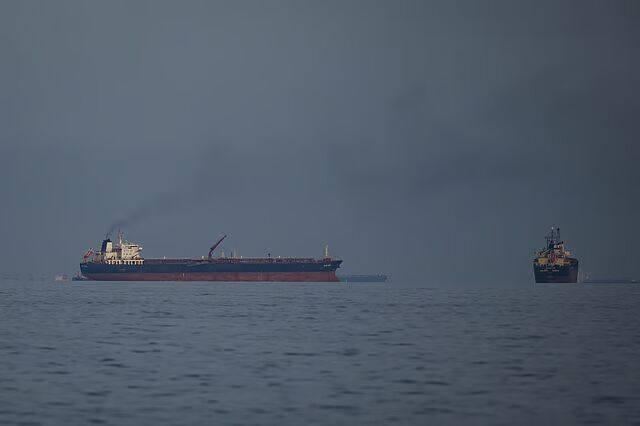
While some tankers are attempting transits, continued risks in the region are fuelling fears of prolonged supply shortages and sustained market volatility.
Global oil inventories are being drawn down, but limited spare production capacity continues to keep upward pressure on prices.
Analysts warn of further spikes if the conflict persists, raising inflation risks for energy-importing nations. Markets remain highly sensitive, swinging with every headline – from convoy proposals to renewed strikes – signalling that a quick resolution is unlikely.
Natural gas markets steady amid mild weather forecasts
Natural gas prices dipped slightly to $3.021 per MMBtu, down 0.07%.
Mild weather forecasts have kept natural gas subdued despite broader energy market volatility. Analysts caution that prices could spike further if supply disruptions persist, with Goldman Sachs already raising its Q4 forecasts. Investors are closely watching for potential peaks before any easing in the market.

