

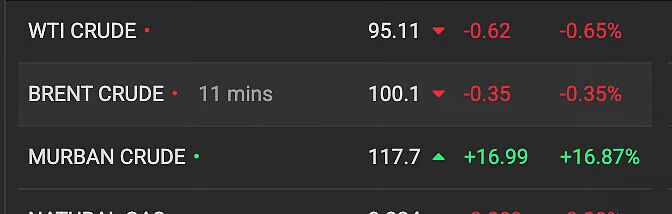
Crude prices dipped slightly, with WTI trading near $95.11 per barrel and Brent around $100.10 per barrel.
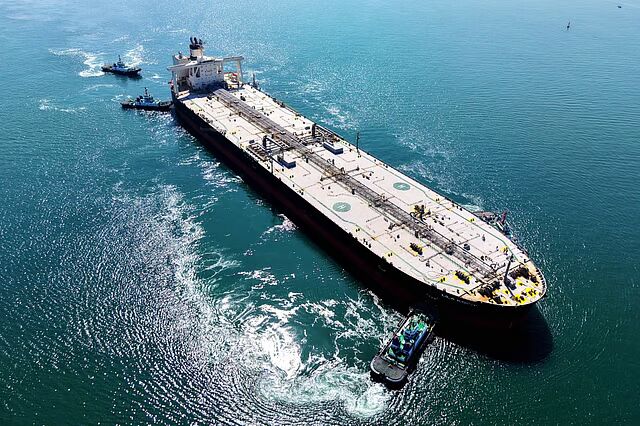
Oil prices dip slightly amid market volatility
Oil prices experienced modest declines on Friday, 13 March 2026, following extreme volatility that had previously sent crude rates soaring.
West Texas Intermediate (WTI), the key U.S. benchmark, was trading around $95.11 per barrel (down 0.62, or 0.65%), while Brent crude stood at approximately $100.10 per barrel (down 0.35, or 0.35%) at 00:34 GMT (9:34 am Tokyo time), according to OilPrice.com.
Modest pullbacks
These minor corrections come after periods of intense volatility, driven by the ongoing U.S.-Israeli conflict with Iran, which disrupted crude supplies through the Strait of Hormuz and initially pushed benchmarks sharply higher—peaking near $120 per barrel in some trading sessions.
Analysts attribute the recent easing in oil prices to signs of de-escalation and hopes for a resolution. Comments from President Donald Trump, suggesting that the conflict is “very complete” or nearing an end, have eased concerns over prolonged supply disruptions, according to the BBC.
Diplomatic exchanges
Recent diplomatic contacts—including a phone call between President Donald Trump and Russian President Vladimir Putin, as well as discussions between Indian Prime Minister Narendra Modi and Iranian President Dr. Masoud Pezeshkian—have signaled potential avenues for a swift resolution to the conflict.
However, market reactions remain cautious. Potential U.S. involvement in securing the Strait of Hormuz or alleviating related pressures is complicated by conflicting reports regarding shipping access, keeping traders wary of renewed supply disruptions.
Despite these recent declines, oil prices remain significantly elevated year-to-date, reflecting ongoing geopolitical risks and the impact of earlier supply disruptions.
Murban crude, a Middle East benchmark less reliant on the Strait of Hormuz, surged sharply to $117.70 per barrel (up 16.99, or 16.87%), reflecting a regional premium amid ongoing tensions.
Meanwhile, natural gas prices showed minimal movement in the latest trading. Overall, markets continue to monitor developments in the Middle East closely, looking for cues on potential supply disruptions and further price direction.

