

Geopolitical tensions and market volatility are driving UAE buyers back to gold.
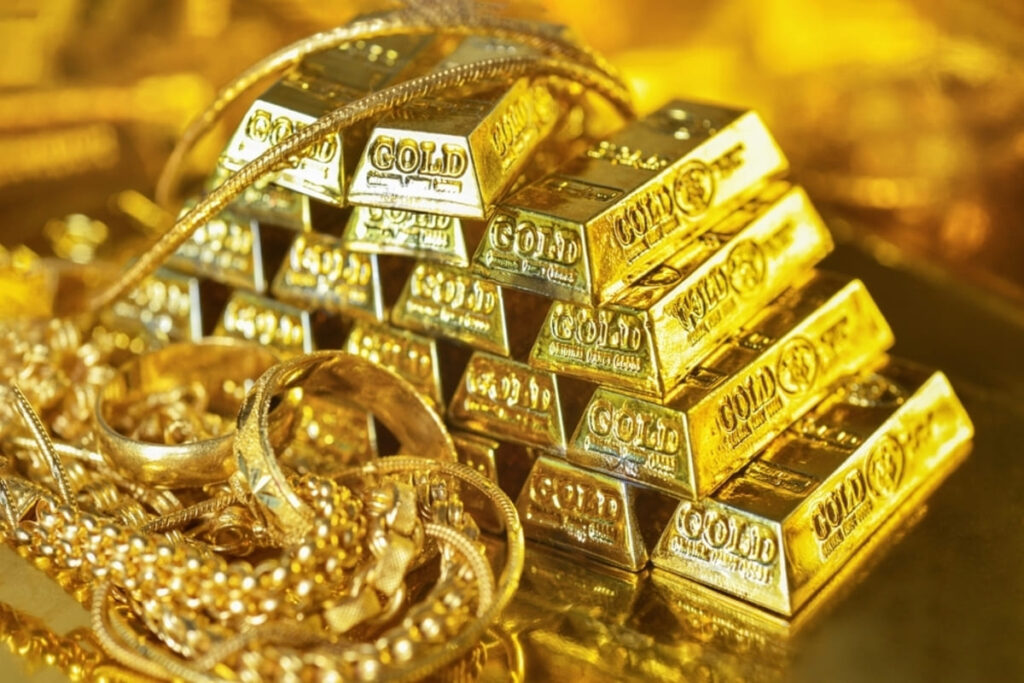
Dubai: Gold prices in the UAE rose on Thursday morning, following global trends as investors moved funds into safer assets amid escalating Middle East tensions and renewed currency market volatility.
In Dubai, 24-karat gold reached Dh623.25 per gram at 9:56 a.m., up from Dh619.25 on Wednesday. Meanwhile, 22-karat gold rose to Dh577 per gram, compared with Dh573.50 the previous day, continuing the recent upward trend in the local jewellery market.
Movement in local prices reflected trends in global bullion markets, where rising geopolitical risk and safe‑haven demand have encouraged investors to increase their exposure to precious metals. Internationally, gold has climbed as the conflict involving the United States, Israel and Iran deepened, with prices supported by a softer US dollar and heightened uncertainty among traders.
Gold rose as much as 0.9% to surpass $5,180 an ounce, following a 1% gain in the previous session, as investors sought safe-haven assets amid growing concerns over the escalating military conflict and potential disruptions to global energy supplies.
US and Israeli forces continued strikes on Iranian targets, while Tehran launched missile attacks across several countries in the region and targeted critical energy infrastructure. Shipping risks intensified after the Strait of Hormuz, a key oil transit route, was effectively blocked during the escalation.
Washington signalled confidence in its military operations, with President Donald Trump expressing support for the campaign, while American forces reportedly sank an Iranian warship in international waters. Tehran dismissed reports that its intelligence ministry had approached Washington for negotiations, calling them “pure falsehood.”
Trade tensions add another layer of uncertainty
Market jitters were also fueled by the prospect of renewed global trade disruptions. Washington is preparing to impose higher import tariffs, adding further uncertainty for investors already navigating rising geopolitical risks. Treasury Secretary Scott Bessent noted that the plan to raise the universal tariff rate from 10% to 15% could take effect this week, although the European Union is expected to be exempt.
Energy prices have surged amid the conflict, raising concerns over supply shocks that could affect global trade and inflation.
Dollar moves support gold demand
Currency fluctuations have further bolstered gold. The metal gained additional support after the US dollar recorded its largest decline in roughly three weeks, reinforcing its appeal as a safe-haven asset.
A weaker US dollar typically supports gold, making the metal more affordable for buyers using other currencies. Over the past two days, a widely followed gauge of the dollar slipped about 0.4%, although it remains nearly 1% higher for the week.
Earlier in the week, the dollar’s strength and a broad selloff in equities triggered a sharp drop in precious metals. Markets later stabilized as investors unwound heavily crowded positions.
Gold has already risen roughly 20% this year amid persistent geopolitical tensions and global trade uncertainty. The metal reached an all-time high above $5,595 an ounce in late January, highlighting its role as a defensive asset during periods of market instability.

