

India imports nearly 90% of its crude oil, with half of it transported through the Strait of Hormuz, while local refineries maintain only about two weeks’ worth of crude in storage and transit.
Another version:
Nearly 90% of India’s crude oil is imported, half of which moves through the Strait of Hormuz, and domestic refineries keep just a fortnight’s supply in tanks and transit.
Oil prices climbed sharply after the recent US‑Israel strikes on Iran, and with uncertainty surrounding the status of the vital Strait of Hormuz — through which a large share of India’s crude imports transit — India must develop contingency plans to safeguard its energy supply.
This wave of geopolitical risk has pushed Brent crude to multi‑month highs as markets factor in a potential disruption to flows through the Strait of Hormuz, a chokepoint for about half of India’s crude oil imports and significant volumes of LNG and LPG.
India imports nearly 90% of its crude oil, with half transported through the Strait of Hormuz, according to Kpler vessel tracking data. Around 60% of its liquefied natural gas (LNG) imports and nearly all imported liquefied petroleum gas also pass through the Strait.
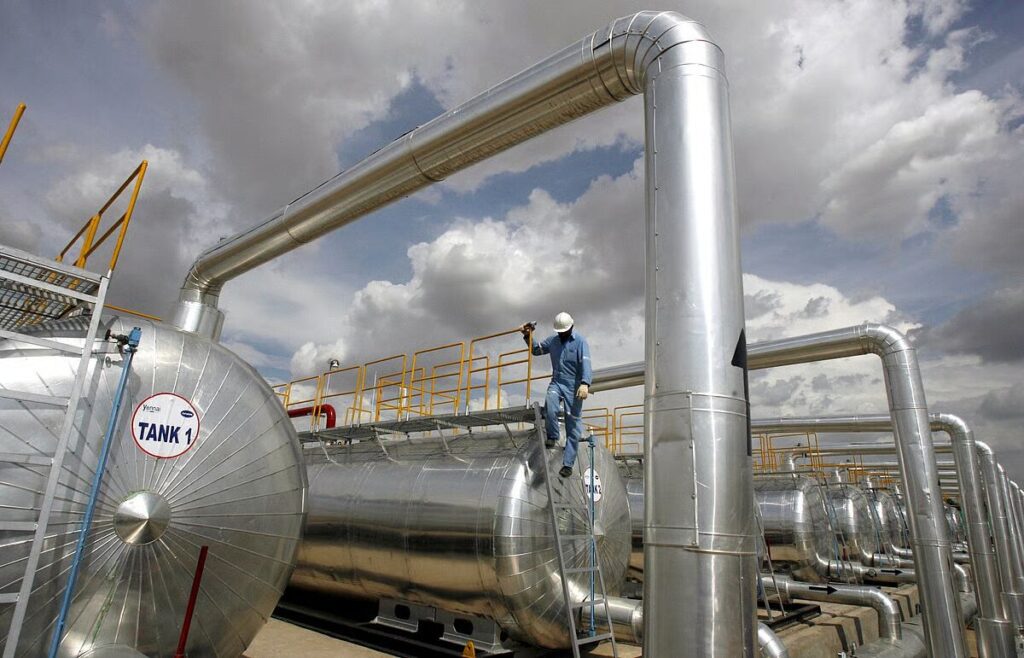
A government official told the media on Monday that Indian refineries maintain roughly two weeks’ worth of crude in storage and transit. “All fuel tanks are full, covering nearly 10 days of the country’s needs,” he said. “For now, we expect any closure of the Strait of Hormuz to be brief.”
Reliance on a crucial route
• Nearly 50–55% of India’s crude oil imports transit the Strait of Hormuz, a vital global energy corridor. About 60% of its LNG imports and a large majority of LPG shipments also move through this chokepoint, underscoring deep exposure to disruptions.
Immediate supplies secure, but price risks loom
• Officials in Delhi say domestic crude stocks and inventories are sufficient to cover near‑term needs if supply lines face short interruptions.
• However, analysts warn that even without an outright supply cut, higher crude, freight and insurance costs could drive up India’s energy import bill and fuel inflation.
• Recent Middle East tensions have already helped push Brent crude prices to multi‑month highs, reflecting a geopolitical risk premium.
Contingency planning and diversification
• New Delhi has contingency options under consideration, including tapping alternative crude sources outside the Gulf and adjusting the import mix.
• Imports from regions such as Russia, the U.S., Brazil and West Africa are potential alternatives, but longer transit times and higher costs pose challenges compared with Gulf supplies.
• Diversification can help reduce immediate supply vulnerability, but analysts note that adjustments in energy contracts and logistics take time and could elevate costs.
Broader implications
• A prolonged disruption at the Strait of Hormuz could amplify inflationary pressures in India, widening trade deficits and weighing on GDP growth if energy prices remain elevated.
• LPG and LNG flows are seen as especially sensitive, as India lacks large strategic reserves for these fuels and depends on Gulf routing for the bulk of its imports.
In short: while immediate physical oil supply interruptions appear unlikely and official stockpiles provide short‑term cover, the bigger risk is economic — notably higher oil prices, increased import costs, inflation pressures, and the expense of shifting to alternative supply routes. India’s contingency planning and diversified sourcing strategies aim to mitigate these vulnerabilities, but price volatility remains a key concern if tensions persist.

