

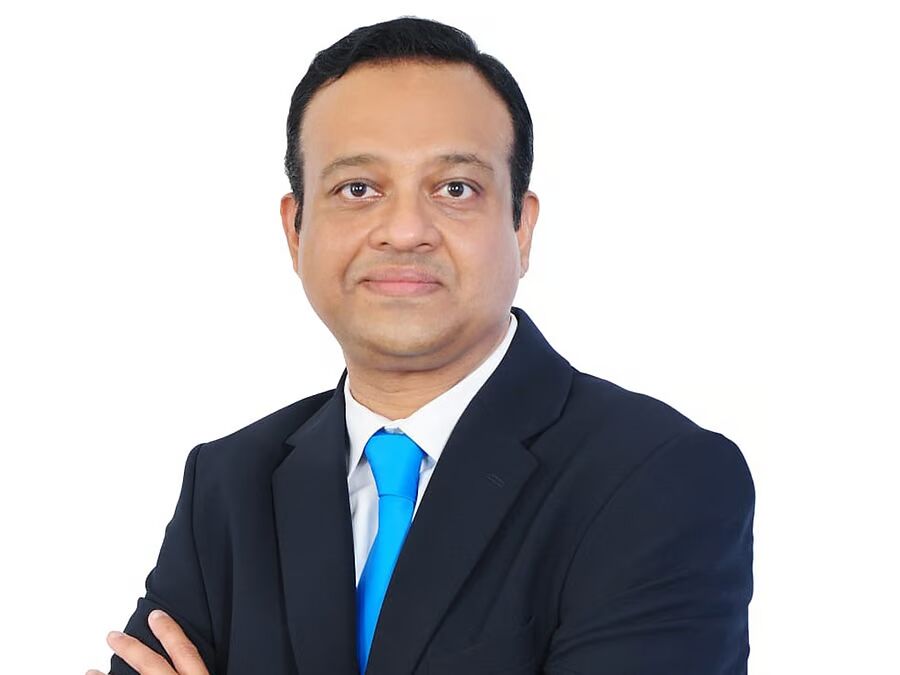
Dr. Ferdoush Saleheen’s perspective on how supply chains will influence the future of global competitiveness.
Supply chain management has evolved from being a back-office operational concern to a central topic on boardroom agendas, influencing discussions on resilience, capital efficiency, and long-term competitiveness.
Dr. Ferdoush Saleheen has witnessed this transformation firsthand. With over two decades of leadership experience in multinational corporations and national conglomerates, he has seen how procurement decisions, inventory strategies, and logistics performance directly impact liquidity and corporate growth.
Now based in the UAE as an Assistant Professor of Supply Chain Management at Sharjah Maritime Academy, Dr. Saleheen bridges industry practice with academic research. His executive career spans FMCG, retail, electronics, and manufacturing sectors, where operational disruptions often translated into significant financial pressure at the executive level.
Dr. Saleheen emphasizes that the Gulf region holds a strategic position in global trade, connecting Asia, Europe, and Africa. Yet, he stresses that infrastructure alone does not guarantee competitiveness—effective governance, digital visibility, risk diversification, and financial discipline are essential complements to physical logistics investment.
Recent global disruptions have reinforced Dr. Saleheen’s view that efficiency without resilience leaves organizations vulnerable. He argues that supply chains are no longer just operational support systems—they are strategic assets that safeguard liquidity and enable scalable growth.
From corporate boardrooms to the classroom, Dr. Saleheen’s insights reflect a broader shift: supply chain strategy has become a critical factor in both corporate performance and national economic stability.

