

With demand surpassing supply, particularly during peak seasons, the UAE–India air route ranks as the world’s fifth busiest, providing 2.08 million seats in February 2026.
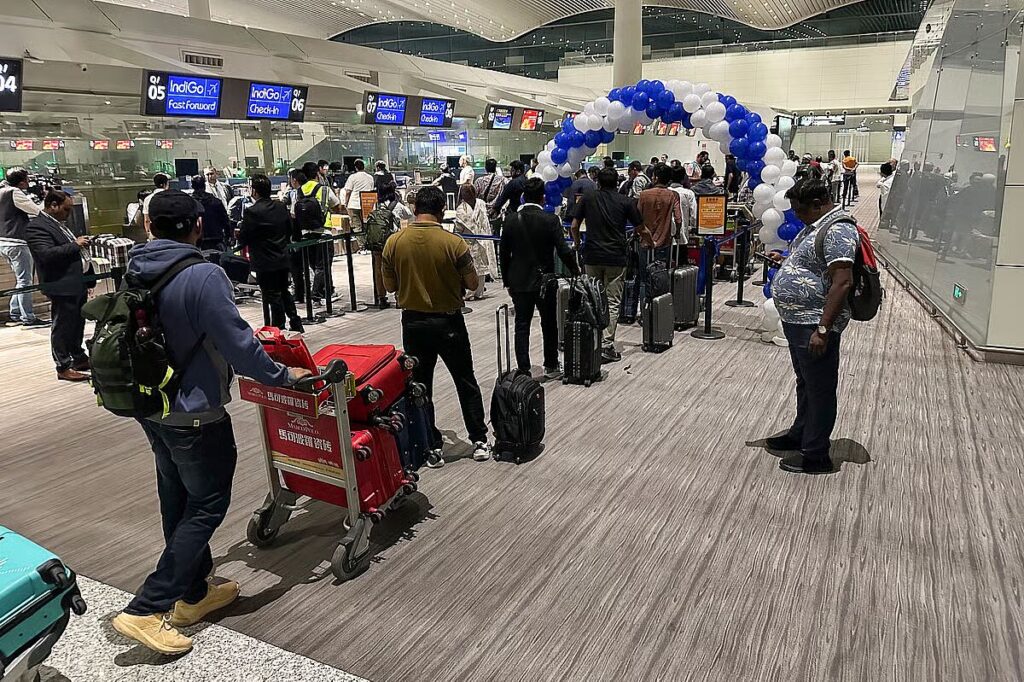
Airfares between India and the UAE are climbing more rapidly than on other international routes, even as the travel industry urges for increased capacity.
Industry executives note that during peak travel periods, like the summer holidays, average UAE–India fares can surge by as much as 25%.
By comparison, airfares to other high-traffic destinations, including Saudi Arabia and the UK, increase by less than 20% during their peak travel periods.
The UAE–India and UAE–Saudi Arabia air corridors rank among the world’s 20 busiest in terms of seat capacity for February 2026.
According to OAG, the India–UAE route is the world’s fifth busiest this month, offering 2.08 million seats. In March 2025, the same route was ranked sixth, with 2.3 million seats.
High demand has prompted UAE travel industry experts to call for increased capacity, but discussions between the two countries have so far been unproductive.
Imtiaz Hussain, CEO of UAEVisaTravel.com, part of Pinoy Tourism, noted that UAE–India airfares experience stronger seasonal fluctuations, with peak-period increases averaging 15–25%, particularly during school holidays and festive travel seasons.
“In comparison, fares on UAE–Saudi Arabia routes typically rise 8–12% during peak periods, while UAE–UK fares fluctuate between 10–18%, depending on long-haul demand cycles. The UAE–India corridor often sees sharper spikes, driven by higher passenger volumes and limited seat availability during these busy periods,” Hussain said.
Imtiaz Hussain added that the UAE–India corridor clearly operates on a bulk-demand model.
“India remains a volume-driven market due to its large population, frequent family travel, and repeat short-term visits. While India leads in overall passenger numbers, the UK market demonstrates stronger per-customer value, with higher average package spending. In short, India drives volume, while the UK often delivers higher margins per booking,” Hussain explained.
Demand outpacing supply in peak season
Raheesh Babu, COO of musafir.com, said UAE–India airfares have remained under upward pressure, largely because demand exceeds capacity during peak travel periods, leading to last-minute price spikes and early sell-outs.
“Since 2022, average fares on the India sector have risen roughly 10–15%. Similarly, UAE–UK and UAE–Saudi Arabia routes have seen comparable fare growth, driven by seasonal capacity constraints and major events. Despite these increases, the India corridor continues to be one of the most price-competitive and high-volume routes for travellers,” Babu noted.
While India remains the UAE’s largest market in terms of overall passenger volume, Hussain noted that the UAE–Saudi Arabia corridor is currently experiencing faster percentage growth, fueled by increased business activity and stronger bilateral engagement between the two countries.
“The India sector continues to show steady and robust growth of around 10%, with Saudi Arabia recording similar upward momentum. The UAE–UK corridor remains relatively stable, with demand largely seasonal and primarily driven by premium and leisure travel segments,” he concluded.

