

Global research indicates that improved hygiene education not only enhances children’s health and school attendance but also benefits their families and wider communities.
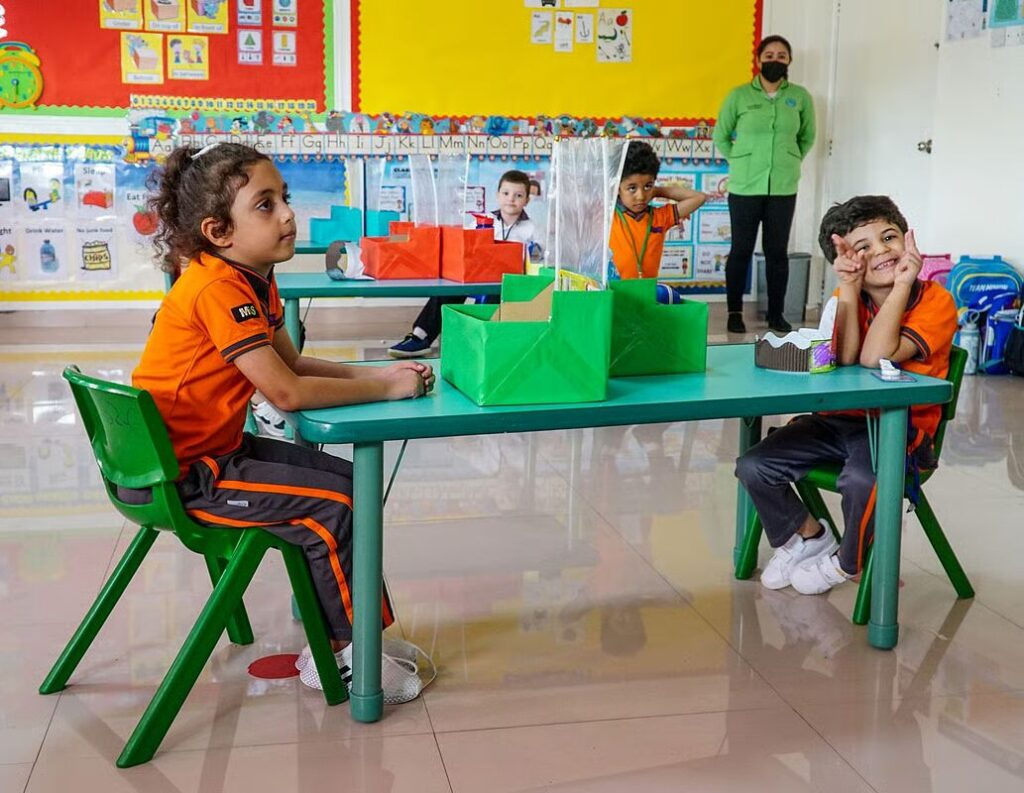
In today’s multicultural UAE classrooms, personal hygiene and grooming are no longer solely the responsibility of families — schools are now integrating them into their well-being and learning programs. Worldwide research shows that effective hygiene education not only boosts children’s health and school attendance but also brings positive benefits to families and communities.
For Dubai parent Sherry Garcia (name changed), the message hit close to home when she received an email from her son’s school regarding body odour, especially after PE classes. She admits the note initially felt harsh, despite her careful routine of washing and ironing her child’s uniform daily.
For Dubai parent Sherry Garcia (name changed), the message hit home when she received an email from her son’s school about body odour, particularly after PE classes. She admits the note initially stung, despite her careful routine of washing and ironing her child’s uniform daily.
Reflecting on the experience, Garcia shared how her perspective shifted. “When I first received the note about my ten-year-old son Joe’s body odour, I was surprised, concerned, and even a little miffed. But after reading it carefully, I realised this is a normal part of growing up, and I appreciated how sensitively the school addressed it,” she said.
She found the school’s guidance practical and reassuring—from washing PE kits more regularly to encouraging daily bathing and, if needed, deodorant. “It’s comforting to know the school supports his well-being while helping him develop good habits at the right time,” she added.
Children’s needs evolve faster than parents notice
Garcia also realised that children’s needs can change faster than parents sometimes notice. “Even when we already follow routines, as the teacher explained, children are growing and developing, and we don’t always immediately see what more is needed,” she said, noting that she now packs a change of clothes on PE days.
Schools across the UAE emphasise that such conversations, when handled sensitively, can build confidence rather than embarrassment. Dr Mathivathani D, school doctor at Springdales School Dubai, explained that hygiene education is integrated into daily school life through positive engagement.
“Through interactive lectures, creative posters, and fun student-centred activities, we promote awareness of personal hygiene in a positive and encouraging way, helping students grow with confidence and care for themselves and others,” she said.
At the same time, schools balance cleanliness with health sensitivities. Strong fragrances are discouraged on campus as they can trigger asthma or allergic reactions. “The health and well-being of all our students remain our top priority,” Dr Mathivathani added, noting that students are taught that confidence comes from self-respect and good habits, not appearance alone.
Regular health education sessions
Regular health education sessions—especially for teenagers—help students understand physical and emotional changes, manage allergies, and practise mutual respect. “Most importantly, we emphasise mutual respect—encouraging students to be thoughtful and considerate of their classmates at all times,” she said.
Schools also stress that parents are key partners in reinforcing these habits at home. Hygiene concerns are always addressed discreetly, focusing on building trust with the child before involving parents in a supportive, constructive way. Seasonal emails and workshops keep families informed and aligned.
Outside the classroom, the conversation around grooming is evolving. Abdulla Ajmal, CEO of Ajmal Group, said that fragrance, when used mindfully, can be part of a child’s self-care routine. “When thoughtfully crafted, fragrances can be a gentle and enjoyable part of a child’s daily routine,” he said. “Children’s scents are designed to be light, soft, and skin-friendly, focusing on comfort rather than intensity.”

