

The focus is shifting from how tall buildings rise to how well people live.
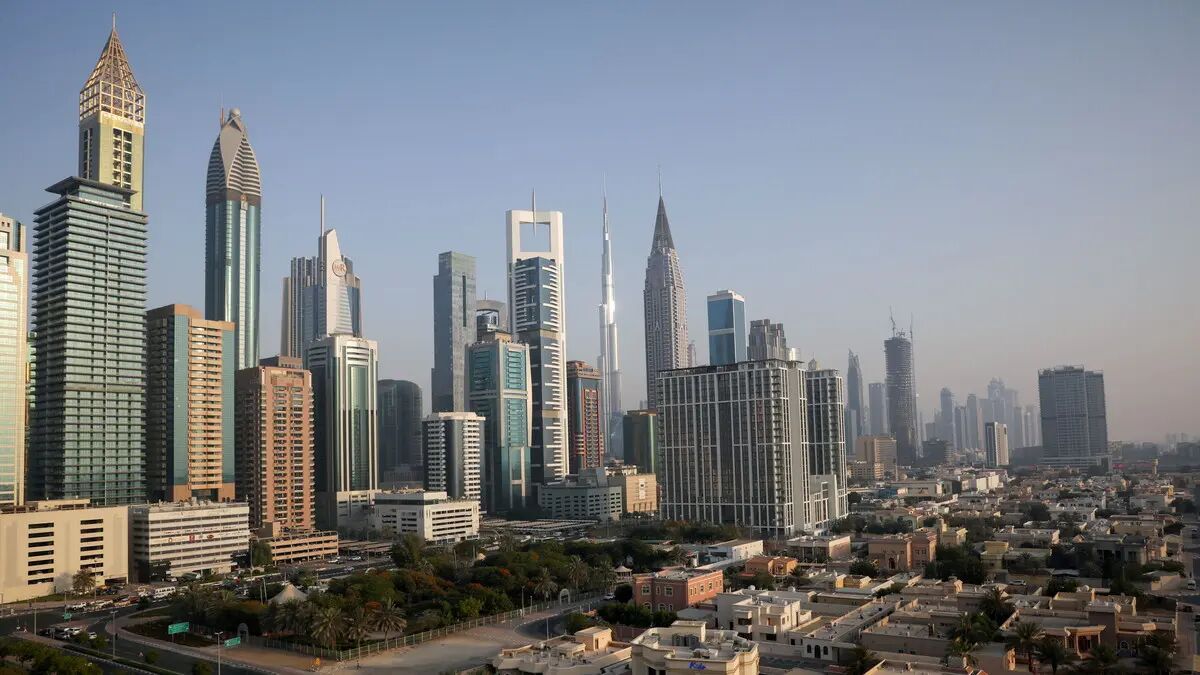
Dubai has never been static. Its skyline, often the most visible symbol of ambition, has grown and evolved alongside the city itself. For decades, height represented progress—a practical response to urban growth, a signal of confidence, and a way to capture global attention. That chapter is far from over, but it is increasingly complemented by a quieter, more nuanced shift at ground level.
Today, the conversation around residential development is changing. The focus is moving beyond how high we build to how well people live. This is not a dramatic pivot, but a considered evolution shaped by experience, long-term planning, and the expectations of a more mature population.
Conversations with residents and investors alike reflect this shift. Questions are less about floor numbers and iconic views, and more about neighborhoods, daily life, and long-term livability. It’s a subtle change, but a meaningful one—signaling a growing preference for environments that support how people actually live, rather than simply how the city is photographed.
Dubai’s property market remains strong and resilient. Transaction activity continues at a robust pace, with residential sales values reaching hundreds of billions of dirhams over the past year. Equally notable is the widening breadth of participation. Investor interest is growing, including a rising share of first-time buyers, reflecting confidence that extends beyond short-term market cycles.
What stands out is where this demand is emerging. Activity is no longer concentrated solely in established high-rise districts. Instead, it is increasingly spread across communities offering a different proposition—more space, greenery, and a stronger sense of place. This reflects a broader redefinition of value, one that places equal emphasis on lifestyle, accessibility, and long-term quality.
Dubai’s long-term planning frameworks have quietly but effectively supported this transition. Initiatives such as the Dubai 2040 Urban Master Plan emphasize connected neighborhoods, green spaces, and mixed-use districts designed to support everyday life. In this evolving paradigm, livability is no longer a secondary outcome of development—it has become a central measure of success.
As the city grows, it is natural for both residents and developers to reassess priorities. For many families and long-term residents, the appeal of lower-density environments, walkable streets, and integrated amenities is becoming increasingly clear. These preferences are not about moving away from the city, but about living within it in a more grounded and sustainable way.
This does not diminish the role of vertical living. High-rise developments will remain a defining feature of Dubai’s urban fabric and a symbol of its ambition. What is changing is the breadth of choice. The city is increasingly offering environments that cater to different stages of life, lifestyles, and definitions of home.
From a development perspective, this evolution demands discipline and intent. High-value living is not achieved through scale alone—it requires clarity of vision, respect for context, and the patience to think long term. Developments that are responsibly funded and thoughtfully delivered tend to attract residents who are invested in the city’s future, not just its present.
In a global context, this shift is significant. Cities today compete not only on infrastructure or economic opportunity, but on the quality of everyday life they provide. Those that strike a balance between growth and livability are better positioned to retain talent, attract long-term capital, and sustain momentum over time.
Dubai has always evolved with intention. Its shift toward high-value living reflects a city confident enough to refine its ambitions—one where progress is measured by the quality of everyday life for residents, families, and communities today and in the years to come.
Other alternatives:
- Dubai’s evolution has always been deliberate. The focus on high-value living shows a city measuring progress not just in scale, but in the day-to-day experiences of its people and communities.
- The city’s move toward high-value living reflects Dubai’s maturity—a place where success is defined by how residents and families experience life across the emirate.

