

Dubai set to drive majority of new housing supply as market enters next growth phase
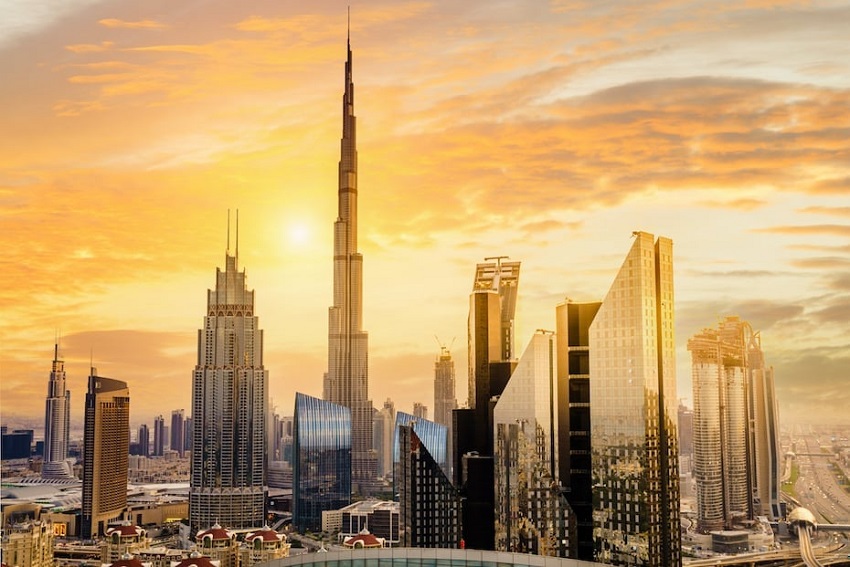
Dubai: The UAE is poised to add around 390,000 new homes by 2030, marking one of the largest residential expansion cycles in recent years, according to a new industry report.
The inaugural Alpen GCC Real Estate 2026 report by Alpen Capital projects the country’s housing stock to grow from roughly 1.08 million units to about 1.47 million units by the end of the decade.
Dubai is expected to lead this surge, with apartment-focused, mixed-use communities driving most new launches, while Abu Dhabi’s supply will lean more toward premium villas and waterfront developments.
Across the GCC, residential supply is projected to rise from about 6.26 million units in 2025 to 7.28 million units by 2030, with the UAE and Saudi Arabia driving the bulk of the expansion.
In Saudi Arabia, housing stock is expected to increase by roughly 499,000 units over the five-year period, reaching 3.45 million units by 2030. This growth will be largely supported by giga projects in Riyadh and Jeddah.
Sustained growth
The report highlights how the GCC’s real estate sector has evolved, propelled by national agendas aimed at economic diversification and resilience. “Dubai has been at the forefront of this transformation, emerging as a global metropolis driven by foreign investment, large-scale infrastructure projects, and ambitious development strategies,” said Sameena Ahmad, Managing Director of Alpen Capital.
She added, “In the coming years, the region’s real estate market is expected to see steady growth across residential, commercial, hospitality, and retail segments, supported by ongoing government spending and investments in world-class infrastructure.”
But what does this mean for rents?
A supply surge of this magnitude usually shifts the balance of power between landlords and tenants. The report notes that GCC supply growth is becoming more “structured,” increasingly matching actual demand rather than speculative projects, which could help limit sudden, sharp corrections.
Still, with nearly 390,000 new homes expected in the UAE over the next five years, rental growth may moderate if housing deliveries outpace new household formation.
The study also points out that strong population growth, continued expatriate inflows, and urbanisation remain key drivers of demand. According to Worldometer, the UAE’s population surpassed 11 million in 2025, with a steady stream of expatriates and high-net-worth individuals supporting both mid-tier and luxury rental markets.
If expatriate inflows remain consistent, the increased housing supply may relieve pressure on rents without causing a broad market correction. However, in sub-markets where new deliveries are concentrated, tenants could benefit from stronger negotiating leverage.
According to the Alpen report, GCC property prices are likely to see more stable growth rather than sharp rises or drops. With supply being rolled out in a disciplined, demand-led manner—focusing on quality, mixed-use, and master-planned communities—market dynamics are becoming more balanced. Sharmin Karanjia, Executive Director at Alpen Capital, notes that this approach emphasizes sustainable, technology-enabled developments designed for long-term livability, which should support steady, measured price growth.
Some sub-markets might face short-term oversupply, but prime locations and high-quality developments are expected to maintain strong demand and price stability,” Sharmin added.
She also noted, “As major development zones mature, investors can expect a wide range of premium assets that continue to attract interest from both regional and international buyers.”
What’s ahead?
Strong disposable incomes, ongoing population growth, continued expatriate inflows, and a favourable tax environment are expected to remain key drivers of real estate demand across the GCC.
Future development pipelines will prioritise mixed-use projects, higher asset quality, sustainability, and the integration of residential, commercial, and lifestyle components.
Saudi Arabia and the UAE are set to account for the bulk of new supply, while other GCC markets focus on more selective and targeted growth.
In the commercial sector, office space across the GCC is projected to increase from 33.3 million sqm in 2025 to 42.4 million sqm by 2030, with over 65% of new supply concentrated in Saudi Arabia and the UAE.

