

At sunset, biology, habits, and emotions all come together.
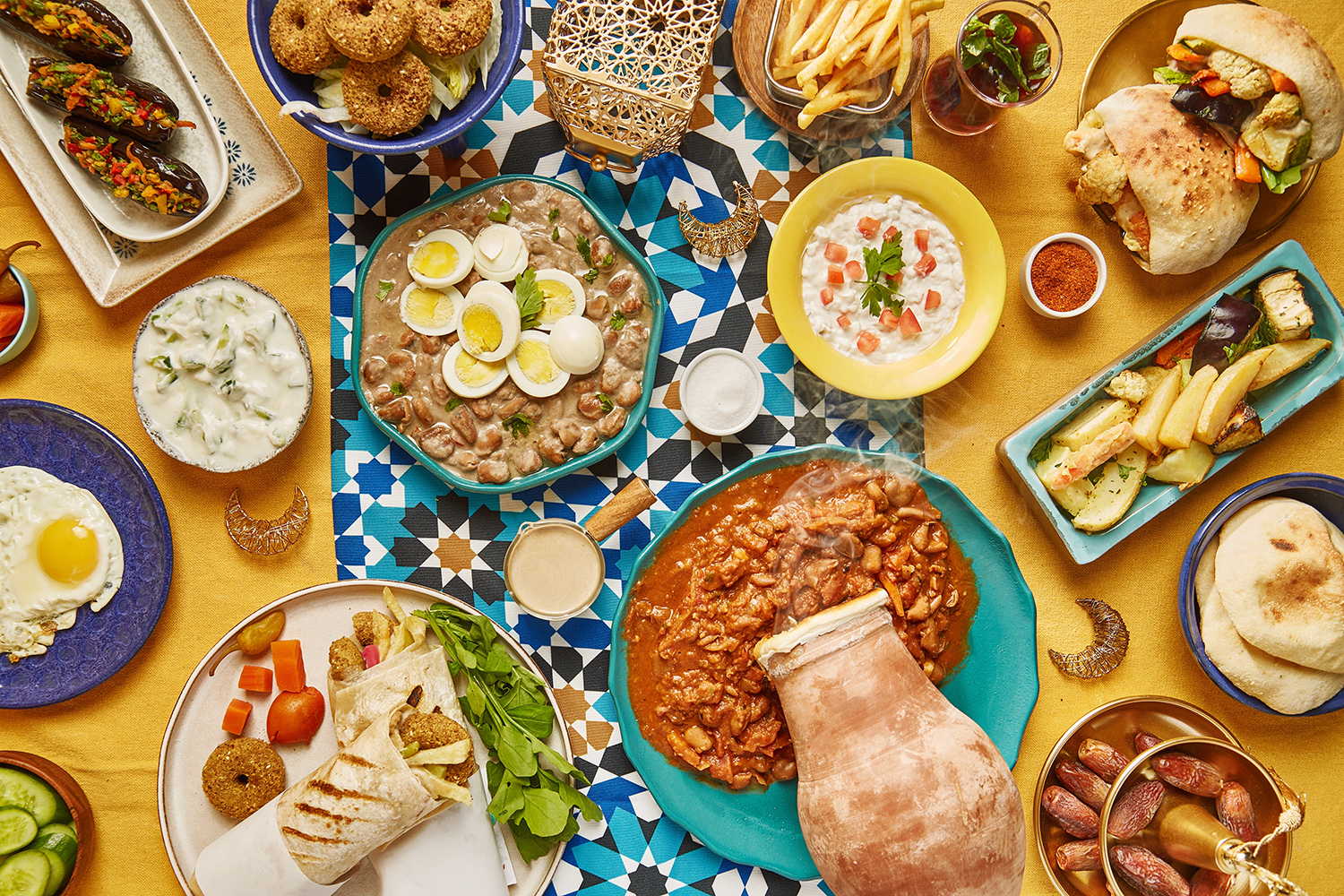
As the call to Maghrib rings out, tables are laden, and after a day of fasting, that first bite feels like pure bliss. Ramadan is a month of discipline, yet for many, iftar quietly transforms into a feast that leaves them feeling bloated, sluggish, and surprised at how much they’ve eaten.
Overeating during Ramadan is common—and it’s not just a matter of willpower. At sunset, biology, habits, and emotions all converge, influencing how much and what we eat.
Why We Tend to Overeat After Fasting
It’s common to indulge at iftar after a long day of fasting—but why does this happen?
Dr Jaseera Maniparambil, Clinical Dietician at Aster Clinic, Bur Dubai, explains:
“After long hours of fasting, hunger hormones rise and blood sugar levels drop, making people feel extremely hungry at iftar. In addition, traditional iftar meals often include rich, fried, and sweet foods, which encourages overeating. Eating too quickly after fasting also delays the body’s fullness signals, leading to excess intake before the brain registers satiety.”
There’s also a deeper physiological shift at play. During fasting, the body first uses stored glucose and then switches to fat for energy. As blood sugar drops, ghrelin—the hunger hormone—rises, boosting appetite.
“This biological response often creates strong cravings for high-sugar and high-fat foods at iftar, as the body seeks quick energy,” explains Dr Jaseera Maniparambil.
In other words, your body is naturally primed to reach for the samosa first and the dessert immediately after. Layered on top of this are emotional cues—family gatherings, celebratory spreads, and the expectation of abundance—creating the perfect setup for overeating.
How to Break the Cycle Without Losing the Joy
Start slow: how you break your fast matters more than how much you eat. Give your stomach time to adjust before diving into the full meal.
Break Your Fast Gradually
“Breaking the fast gradually is key. Start with water and 1–2 dates, followed by light foods such as soup or fruit. Pause for 10–15 minutes before eating the main meal. Eating slowly and chewing properly allows fullness hormones to activate and helps prevent overeating,” says Dr Jaseera Maniparambil.
That short pause works wonders: it helps stabilise blood sugar and gives your brain time to catch up with your stomach.
Dr Ruhil Badiani, Consultant Family Physician and Medical Director at Cornerstone Clinic, stresses the importance of portion control:
“The body becomes more sensitive to large meals after long fasting hours, so starting light and eating slowly allows the digestive system to catch up. Smaller, nutrient-dense portions help avoid the common cycle of overeating followed by lethargy.”
Much of what is often called Ramadan fatigue isn’t caused by fasting itself—it’s the heavy meal afterward.
One Heavy Meal or Spaced-Out Nourishment?
It’s tempting to treat iftar as the main event and pile everything onto one plate—but spreading meals out can be easier on the body.
“Yes, spreading intake across two or three smaller meals is usually gentler on the stomach and helps maintain steady energy. This pattern also improves hydration because it avoids overwhelming the body with a single heavy meal and encourages more regular fluid intake,” says Dr Ruhil Badiani.
Dr Jaseera Maniparambil agrees:
“A light iftar, followed by a balanced dinner and a nourishing suhoor, helps stabilise blood sugar, improves digestion, and prevents extreme hunger that leads to overeating.”
Instead of thinking ‘feast,’ think ‘sequence.’
Keys to a Healthier Ramadan Meal
Meal structure:
- Light Iftar
- Balanced dinner
- Steady hydration
- Nourishing Suhoor
The result? More consistent energy and fewer 9 pm food comas.
Choose Foods That Truly Satisfy
Fullness isn’t just about how much you eat—it’s about what you eat. Dr Jaseera Maniparambil recommends fibre- and protein-rich foods to increase satiety with fewer calories:
- Vegetables and salads
- Lentils, beans, and chickpeas
- Eggs, fish, and lean meats
- Whole grains such as brown rice and whole wheat
- Yogurt and low-fat dairy
“These foods delay digestion and help control appetite,” she explains.
A well-balanced plate—half vegetables, a portion of protein, and controlled grains—prevents rapid spike-and-crash cycles that trigger second helpings.
Portion Control Matters
“Portion control is extremely important to prevent weight gain, indigestion, and fatigue. It can be managed by using smaller plates, filling half the plate with vegetables, limiting fried foods, and stopping eating when comfortably full rather than stuffed. Planning portions in advance also reduces impulsive eating,” Dr Maniparambil advises.
Small structural tweaks—smaller plates, pre-decided portions, and controlled serving sizes—reduce the need for constant self-discipline while keeping meals satisfying and balanced.
Plan Ahead to Make Healthier Choices
Preparing balanced meals in advance helps reduce impulsive eating at iftar. Keeping healthier versions of favourite dishes—like grilled kebabs, baked samosas, or fresh fruit desserts—makes it easier to choose wisely while still enjoying the feast.
The Psychology of “Just One More”
Overeating isn’t always about physical hunger—it can also be habit, comfort, or emotion. Dr Ruhil Badiani, Consultant Family Physician and Medical Director at Cornerstone Clinic, explains:
“Mindful eating starts with slowing down, putting cutlery down between bites, and paying attention to fullness cues. Reflecting on why one feels hungry—whether physical hunger or habit—helps break emotional eating patterns. Creating a relaxed eating environment, without screens or rushed behaviour, supports better self-control.”
Slowing down, avoiding distractions, and tuning in to your hunger and satiety cues allows you to eat because your body needs food—not just because it’s available. Enjoy your meal, respect portion sizes, and stop before feeling overly full to reduce habitual overeating.
Avoiding Ramadan Weight Gain and Indigestion: Expert Tips
Fasting naturally shifts the body’s energy use—from stored glucose to fat. As blood sugar drops, ghrelin, the hunger hormone, rises, driving cravings for high-sugar and high-fat foods at Iftar. This is why many feel drawn to samosas, luqaimat, and syrupy desserts.
Balance Over Elimination
UAE doctors stress that the goal isn’t to avoid traditional favourites entirely but to enjoy them in healthier, balanced ways:
- Grilled kebabs instead of fried meats
- Baked samosas in place of deep-fried versions
- Fresh fruit desserts rather than heavy syrup-soaked sweets
“Reminding oneself of the spiritual and physical goals of Ramadan helps shift focus from indulgence to nourishment and discipline,” says Dr Ruhil Badiani, Consultant Family Physician at Cornerstone Clinic.
Practical Strategies for Iftar
- Begin Iftar gradually, with water and 1–2 dates.
- Include balanced foods to reduce extreme hunger.
- Drink enough water before meals to aid digestion.
- Choose baked or grilled options instead of fried foods.
- Limit desserts to small portions after the main meal.
- Replace heavy sweets with fruit, yogurt, or low-sugar homemade desserts.
- Plan meals ahead to avoid impulsive eating.
- Never skip Suhoor, as it stabilizes energy and prevents overeating later.
Best Suhoor Foods
- Oats or oatmeal (with nuts, seeds, fruit)
- Whole wheat bread or chapati
- Brown rice or other whole grains
- Eggs (boiled, scrambled, omelette with vegetables)
- Greek yogurt or labneh
- Cottage cheese
- Peanut or almond butter (moderation)
- Lentils or chickpeas
- Avocado
- Chia seeds or flaxseeds
- Bananas, apples, berries
- Cucumbers and water-rich vegetables
- Plenty of water
- Milk or unsweetened smoothies
Best Iftar Foods
- Water (first priority)
- 1–2 dates
- Vegetable or lentil soup
- Fresh fruit
- Salad (e.g., fattoush without excess dressing, mixed greens)
- Grilled chicken, fish, or lean meat
- Baked samosas instead of fried
- Steamed or grilled vegetables
- Small portion of brown rice or whole wheat bread
- Hummus or bean-based dishes
- Yogurt
- Fruit-based desserts or small portions of traditional sweets
Focusing on hydration, gradual eating, balanced portions, and healthier alternatives allows you to enjoy Ramadan meals without overeating, indigestion, or weight gain.

