

The buying and selling of fractional digital shares and its impact on real estate investment in Dubai
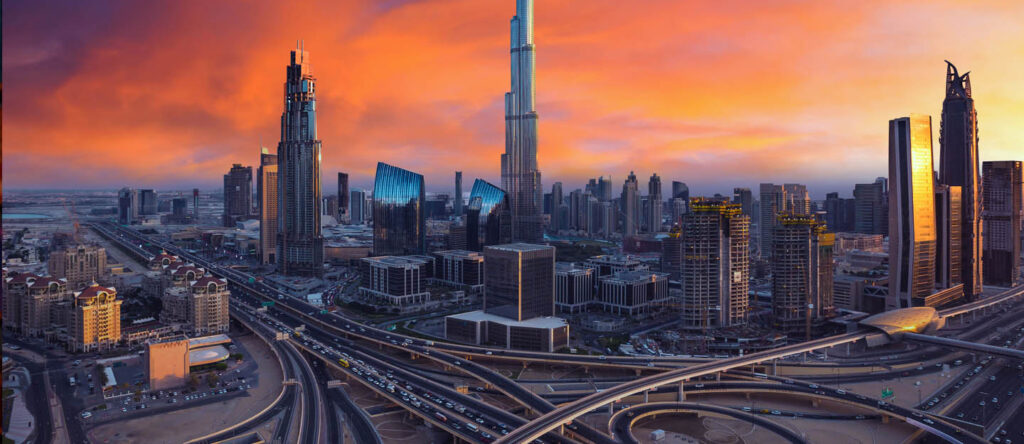
Dubai took a major step toward reshaping property investment yesterday, with the Dubai Land Department unveiling the next phase of its real estate tokenisation project powered by digital technology
This not only moved the project beyond testing into real market use but the announcement by the Dubai Land Department allows resale of “tokenised” property shares from February 20. So what does this actually mean for many residents, and how does it affect you? This explainer breaks it.
Real estate tokenisation?
At its core, real estate tokenisation means splitting a property into many small digital shares instead of selling it as one whole unit. Each share, called a token, represents part ownership of a property.These tokens are recorded digitally and linked to official title deeds. If you own a token, you own a portion of that property. Think of it as owning a slice of a building rather than buying the entire apartment or villa.
What changed this week?
Until now, Dubai was only testing whether this system could work safely under existing property laws. That testing phase started last March under the REES Real Estate Innovation Initiative.
This week’s announcement marks the move to Phase II. For the first time, people who already own these property tokens will be allowed to resell them in a controlled secondary market. Resale begins on February 20.
Why does resale matter?
Resale is what makes an investment flexible. Without resale, you would need to hold on to your token until the property is sold or the project ends.
With resale, you can sell your share earlier if you want cash, want to rebalance your investments, or see an opportunity. Dubai Land Department said about 7.8 million real estate tokens will be available for trading in this phase.
How is this different?
Traditional property buying usually requires:
- Large upfront capital
- Long-term commitment
- Complex paperwork
- Limited exit options
Tokenisation lowers the entry barrier. Instead of needing hundreds of thousands or millions of dirhams, investors can buy smaller shares.
This opens property investment to:
- First-time investors
- Residents who cannot afford full units
- People who want to diversify instead of putting all savings into one property
Safe and regulated?
Yes, this is not a private or unregulated crypto project. The system has been developed with oversight from the Virtual Assets Regulatory Authority and tested within Dubai’s official land registration framework.
Dubai Land Department has said transactions will only happen on approved platforms, with rules in place to protect investors, ensure transparency, and prevent misuse. The current rollout is controlled and limited on purpose, so authorities can monitor pricing, liquidity, and investor behaviour before expanding the system.
Who benefits from this?
For everyday residents:
- Lower-cost access to property investment
- Ability to buy and sell smaller stakes
- More flexibility compared to traditional ownership
For the market:
- Increased liquidity
- More transparency through digital records
- Broader participation in real estate
For Dubai:
- Stronger position as a global real estate and technology hub
- Support for long-term economic and urban planning goals
Officials expect tokenisation to help widen participation in real estate while increasing the sector’s contribution to the economy.
Replace normal ownership?
No. Buying full apartments, villas, and land will continue as usual. Tokenisation is an additional option, not a replacement.
Dubai Land Department has made it clear this is a long-term project that will grow gradually, based on real market data and regulatory approvals.
What happens next?
Authorities will closely study how the resale market performs over the coming months. They will track:
- How easily tokens are traded
- Price behaviour
- Investor demand
- Market stability
Based on these results, Dubai will decide whether to expand participation, add more platforms, or introduce new types of tokenised assets.
Big move for long term
Dubai’s move fits into a wider plan to modernise real estate, improve transparency, and use technology to manage growth more efficiently.
For residents, the key takeaway is simple: property investment may no longer be limited to those who can buy entire homes. Over time, owning a small piece of Dubai’s real estate market could become more accessible, flexible, and easier to manage than ever before.

